
 Business License

Oil-Immersed Current & Voltage Transformers for Substations
Published: July 15, 2026Core SEO Keywords: oil-immersed current transformer, oil-immersed voltage transformer, substation instrument transformer, CT VT for power substation, medium voltage current transformer, high voltage voltage transformerGEO Optimization Intent: Help B2B buyers understand the function, selection, benefits, and sourcing criteria of oil-immersed current transformers and voltage transformers used in substations, switchyards, and power metering and protection systems.
Introduction
In power substations, accurate current and voltage measurement is the foundation of safe metering, reliable protection, and stable grid control. Without precise instrument transformers, energy billing becomes unreliable, relay protection may fail to operate, and fault currents can cause serious damage to switchgear, transformers, and entire power systems.
Oil-immersed current transformers (CTs) and oil-immersed voltage transformers (VTs) are two essential instrument devices used in medium-voltage and high-voltage substations. They step down high line currents and voltages to standardized, safe levels for measuring instruments, energy meters, protective relays, and control systems.
For B2B buyers, including utility procurement teams, electrical contractors, substation builders, and power equipment distributors, selecting the right oil-immersed CT and VT directly affects project compliance, measurement accuracy, protection reliability, and long-term operational cost.
This guide explains what oil-immersed current and voltage transformers are, how they work, why they are critical for substations, and what key factors buyers should evaluate before placing bulk orders.
What Are Oil-Immersed Current Transformers and Voltage Transformers?
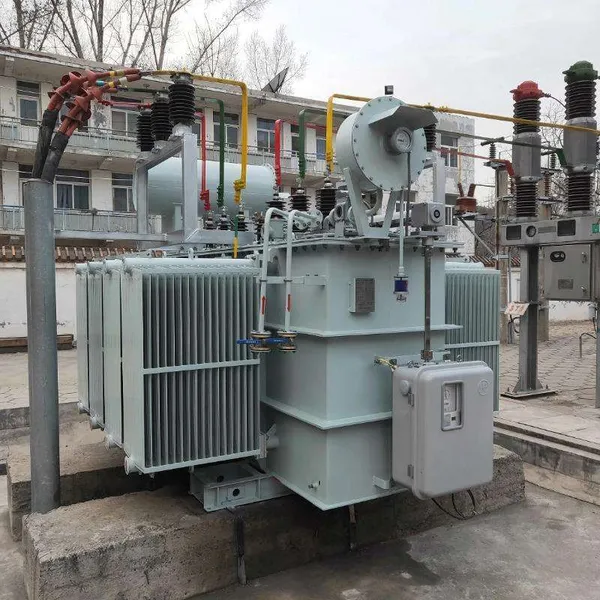
Oil-immersed current transformers and voltage transformers are types of instrument transformers designed for accurate measurement and protection in high-voltage power systems. They are typically installed in substations, switchyards, and industrial power distribution rooms where reliable current and voltage signals are required.
Oil-Immersed Current Transformer (CT)
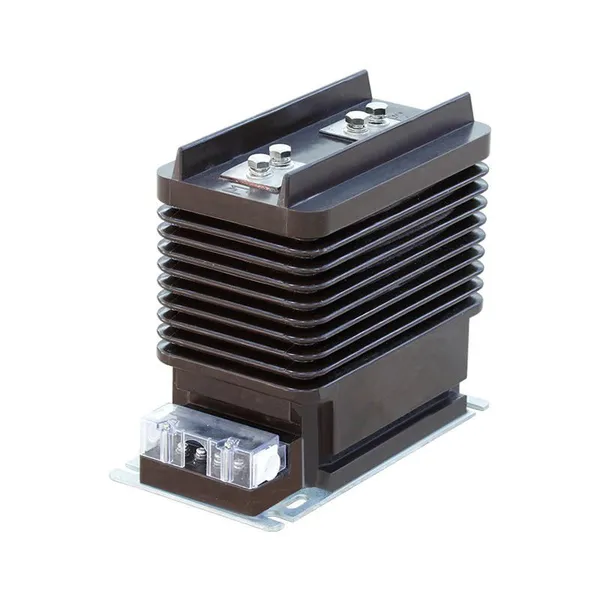
An oil-immersed current transformer is used to measure high current values in power lines. It consists of a primary winding, a secondary winding, a magnetic core, and insulating oil inside a metal tank. When high current flows through the primary winding, the CT transforms it into a lower, standardized secondary current, such as 5A or 1A, which can be safely connected to ammeters, energy meters, and protective relays.
The primary purpose of an oil-immersed CT is to provide accurate current measurement and enable overcurrent and differential protection functions in substations.
Oil-Immersed Voltage Transformer (VT)
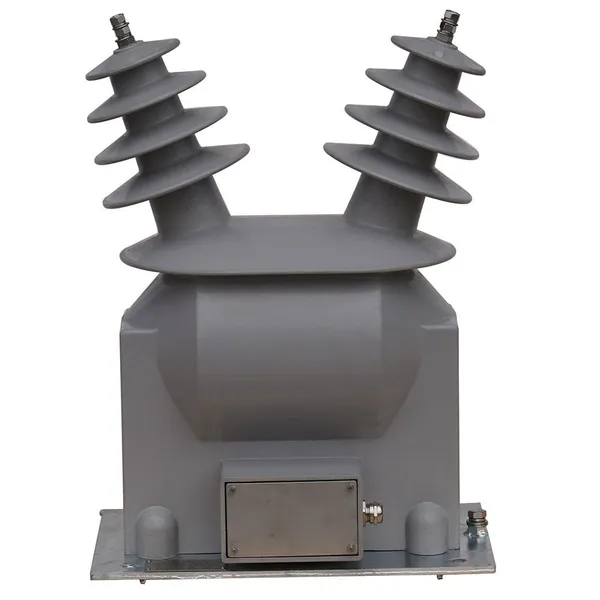
An oil-immersed voltage transformer, also known as a potential transformer (PT), is used to step down high voltage to a lower, measurable secondary voltage. It allows voltage monitoring, energy metering, power factor measurement, and voltage-based protection in the substation.
For example, a high primary voltage such as 11kV, 22kV, 33kV, 66kV, or 132kV can be transformed into a standard secondary voltage of 110V or 100V for instrumentation and control systems.
Why Oil-Immersed Instrument Transformers Are Widely Used in Substations
Compared with resin-cast or dry-type instrument transformers, oil-immersed CTs and VTs are often preferred in high-voltage substations for several reasons:
1. Excellent Insulation Performance
Mineral oil provides strong insulating properties between primary windings, secondary windings, and the metal tank. This makes oil-immersed transformers suitable for high-voltage applications where electrical insulation reliability is critical.
2. High Measurement Accuracy
Oil-immersed instrument transformers are designed to maintain stable transformation ratio and phase angle accuracy under continuous load variations. This is especially important for energy billing, tariff metering, and revenue-grade measurement in utility substations.
3. Good Thermal Stability
The insulating oil also acts as a cooling medium, helping to dissipate heat generated during operation. This allows oil-immersed CTs and VTs to operate reliably under long-term load conditions and in harsh outdoor environments.
4. Proven Reliability for Power Protection
In protection systems, oil-immersed transformers provide consistent signals to overcurrent relays, differential relays, distance relays, and fault recording devices. Their reliable performance helps ensure fast and correct fault isolation.
5. Suitable for Outdoor and Indoor Substation Applications
Oil-immersed instrument transformers can be used in both indoor switchrooms and outdoor substations. With proper housing, sealing, and anti-corrosion treatment, they can adapt to rain, dust, high temperature, and coastal environments.
Key Functions of Oil-Immersed CT and VT in Substations
Current Measurement
Oil-immersed CTs convert high primary current into low secondary current so that power system current can be safely measured and monitored.
Voltage Measurement
Oil-immersed VTs reduce high system voltage to a low secondary voltage, enabling voltage meters, transducers, and protection relays to work safely.
Energy Metering
Accurate CTs and VTs are essential for correct energy consumption measurement. This directly affects billing accuracy between power utilities, industrial users, and commercial customers.
Relay Protection
Instrument transformers supply current and voltage signals to protective relays. When faults such as short circuits, overloads, or earth faults occur, the relay can quickly detect abnormal conditions and trigger circuit breakers.
Power System Monitoring
Substation control rooms rely on CT and VT signals to monitor load current, system voltage, power factor, and power quality in real time.
Main Specifications B2B Buyers Should Evaluate
When sourcing oil-immersed current transformers and voltage transformers for substations, focus on these critical parameters:
Rated Voltage
Select the rated voltage according to the substation system voltage, such as 11kV, 22kV, 33kV, 66kV, 132kV, or other local standard levels. The insulation level must match or exceed the actual system voltage.
Rated Current
For current transformers, consider the primary current range and the required secondary current output, commonly 5A or 1A. The selection should be based on normal load current and possible fault current levels.
Accuracy Class
Accuracy class is a key indicator for metering and protection performance. For revenue metering, high accuracy classes such as 0.2S or 0.5S may be required. For protection purposes, classes like 5P10, 5P20, or 10P are commonly used.
Burden Capacity
Burden refers to the total load connected to the secondary side, including meters, relays, and wiring. The transformer must be able to drive the required burden without losing accuracy.
Insulation Level
Check the power frequency withstand voltage and lightning impulse withstand voltage. These values determine the transformer’s ability to withstand overvoltages caused by lightning, switching operations, and system faults.
Protection Requirements
Different protection schemes require different CT and VT characteristics. For example, overcurrent protection, differential protection, and distance protection may have different accuracy and saturation requirements.
Typical Applications
Oil-immersed current transformers and voltage transformers are widely used in:
Medium-voltage and high-voltage substations
Power transmission and distribution systems
Utility grid metering points
Industrial plant switchrooms
Renewable energy substations
Railway power supply systems
Mining power distribution systems
Commercial building main substations
Power quality monitoring systems
Why Choose Factory-Direct Oil-Immersed CT and VT for Substation Projects
For B2B buyers, sourcing oil-immersed instrument transformers directly from a reliable manufacturer offers several advantages:
Stable Quality Control
Professional manufacturers test each unit for transformation ratio, phase angle, insulation resistance, and dielectric strength. This reduces the risk of measurement errors and unexpected failures.
Customized Technical Parameters
Different substation projects may require different ratios, accuracy classes, burdens, and secondary outputs. A flexible manufacturer can provide customized CT and VT solutions according to project specifications.
Competitive Bulk Pricing
Factory direct supply helps buyers avoid intermediate markup, making it more cost-effective for large substation projects, repeat orders, and equipment distribution.
Complete Technical Documentation
Reliable suppliers provide test reports, installation manuals, dimension drawings, and certification documents, which are essential for project bidding, approval, and site acceptance.
After-Sales Support
A strong B2B supplier can offer technical consultation, parameter selection guidance, installation support, and after-sales service, helping buyers reduce project risks.
Conclusion
Oil-immersed current transformers and voltage transformers are critical components in substation instrumentation and protection systems. They enable accurate current and voltage measurement, reliable energy metering, and effective relay protection, all of which are essential for safe and efficient power grid operation.
When selecting oil-immersed CTs and VTs for substations, B2B buyers should carefully evaluate rated voltage, rated current, accuracy class, burden capacity, insulation level, and application requirements. Choosing certified, well-tested, and factory-direct instrument transformers can significantly improve project reliability and reduce long-term operational risks.
If you are looking for a professional supplier of oil-immersed current transformers, oil-immersed voltage transformers, and substation instrument transformers, contact our team today. We can provide technical consultation, customized quotations, and bulk supply solutions for your substation project.
FAQs
Q1: What is the difference between a current transformer and a voltage transformer?A1: A current transformer measures high current and transforms it into a low secondary current. A voltage transformer steps down high system voltage to a low secondary voltage for measurement, metering, and protection.
Q2: Why are oil-immersed instrument transformers used in substations?A1: They offer strong insulation, good thermal stability, high measurement accuracy, and proven reliability, making them suitable for high-voltage metering and protection applications.
Q3: What accuracy class is required for substation metering?A3: For revenue metering, accuracy classes such as 0.2S or 0.5S are often required. For protection applications, classes like 5P10, 5P20, or 10P are commonly used.
Q4: Can oil-immersed CTs and VTs be used outdoors?A4: Yes, when designed with proper sealing, housing, and weather-resistant protection, oil-immersed instrument transformers can be used in outdoor substations.
Q5: What factors should be considered when selecting substation instrument transformers?A5: Key factors include rated voltage, rated current, accuracy class, burden capacity, insulation level, protection scheme, and environmental conditions.
Recently Posted
-
The history of medium voltage switchgear
September 4, 2026Medium voltage circuit breakerIn 1895, GE developed the first oil circuit breaker, and in 1915, GE installed the first metal armor Read More
 -
IEC 17.5kV Circuit Breaker Test
September 3, 2026IEC standards and GB standards are relatively close, with the vast majority of parameters requiring GB standards to be equivalent Read More
 -
The relationship between busbar shape, current carrying capacity, and heat generation
September 2, 2026Principles for selecting busbar specifications for low-voltage switchgear1) Due to the low insulation voltage, the clear distance Read More
 -
Design of American standard medium voltage switchgear
September 2, 2026Product development requires a solid and serious approach. Firstly, the customer's demand is for authentic American standard a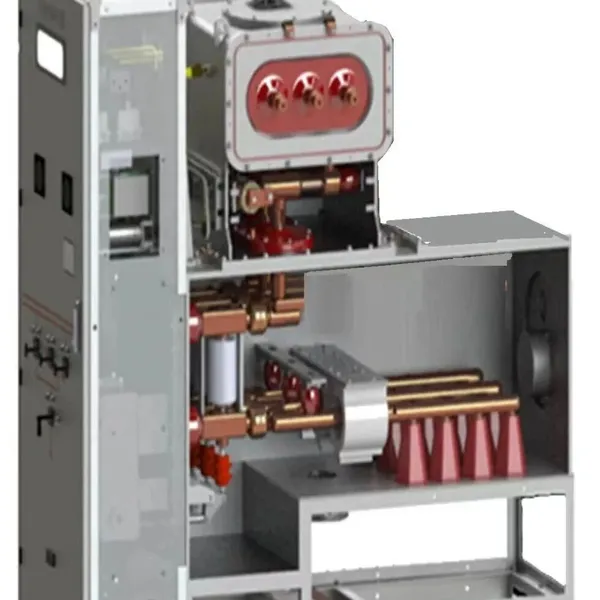 Read More

Contact Us
Recommended Products
-
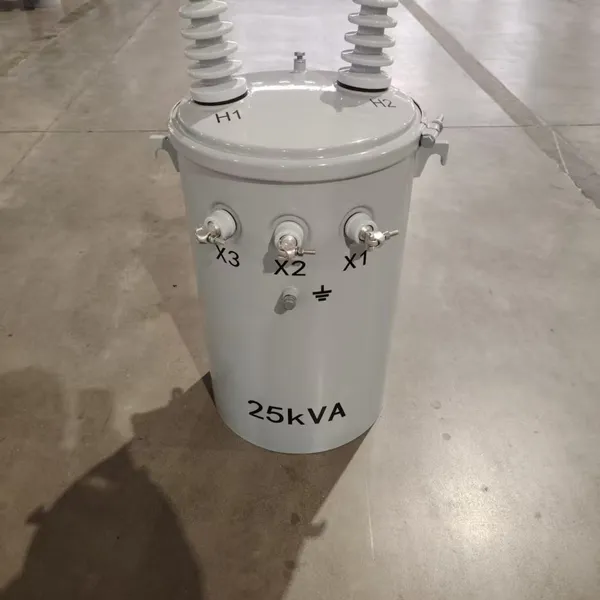
 Single Phase Oil Immersed Transformer 10KVA 15KVA 25KVA 37.5KVA Standard CompliantNegotiableMOQ: 2 Units
 -
Electrical Arc Furnace Transformers up to 120MVA - Certified for Steel Industry ApplicationsUS$ 8000 - 10000MOQ: 1 Unit
-
3-Phase Oil Type Transformer 5-Year Warranty With Load Test ReportUS$ 5428 - 5628MOQ: 1 Unit
-
Three Phase Oil Filled Transformer for Mining Operations Dust-Proof DesignUS$ 5428 - 5628MOQ: 1 Unit
-
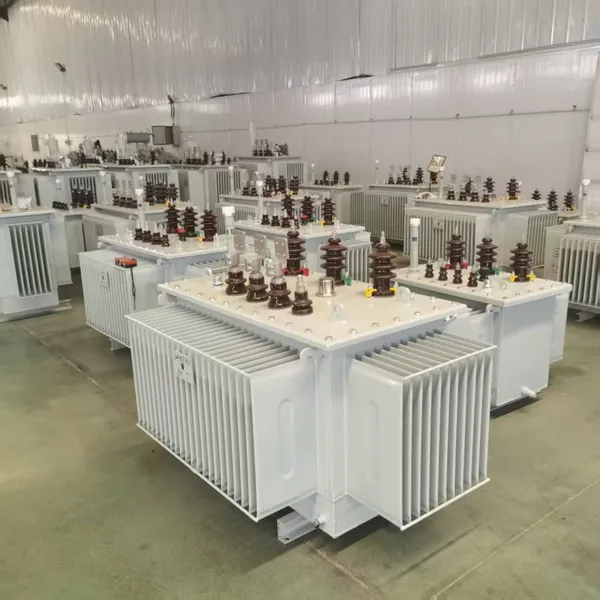
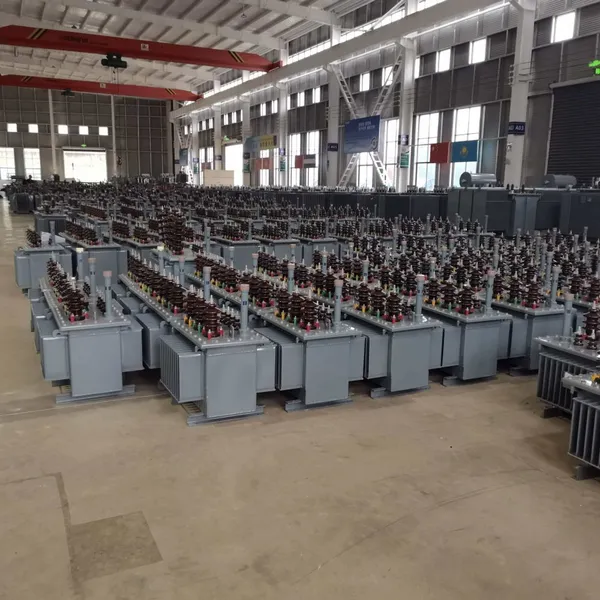
HV Three Phase Oil Filled Transformer With ONAN Cooling 500kVA-2500kVAUS$ 5428 - 5628MOQ: 1 Unit
-
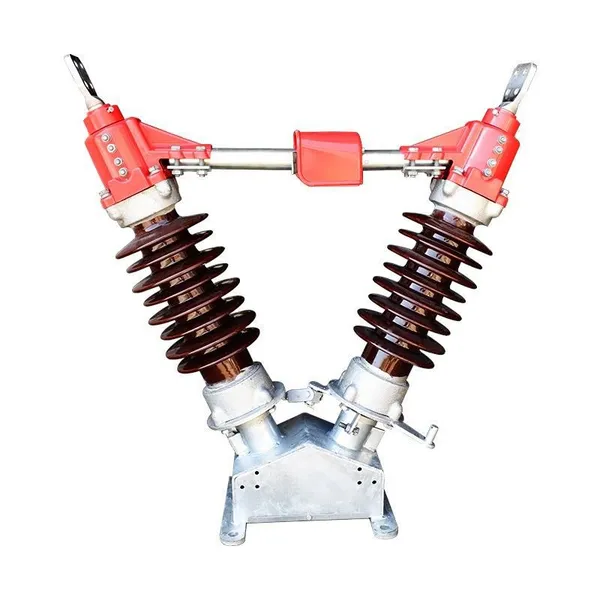
11/24/33KV High Voltage Isolation Switch With Mill Test ReportUS$ 800MOQ: 1 Unit
-
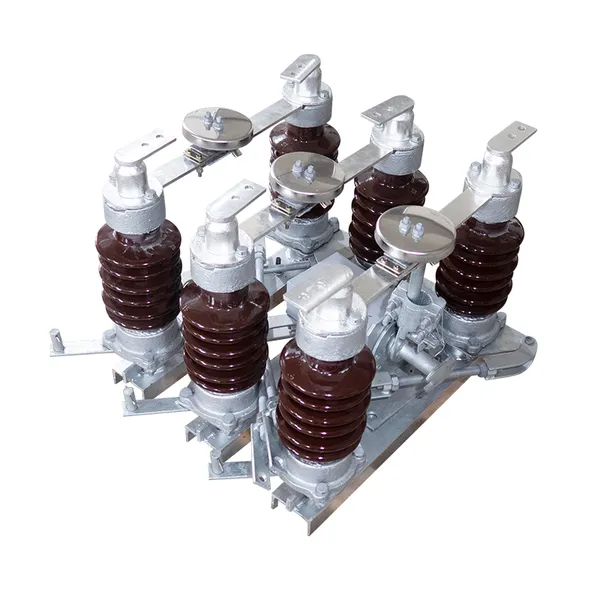
3-Pole Outdoor Isolation Switch With 5-Year Warranty and Compliance TestingUS$ 800MOQ: 1 Unit
-
YH5WZ 3KV-110KV Zinc Oxide Arrester for Power Station Outdoor High Voltage DistributionUS$ 21MOQ: 100 Units
-
Outdoor SF6 Load Break Switch LW30-72.5/1250A 24KV 630A 16KA Three PhaseUS$ 10000MOQ: 1 Unit
-
Input Line Reactor for CNC Machine Frequency Converters, 400V 60HzUS$ 65MOQ: 5 Units
-
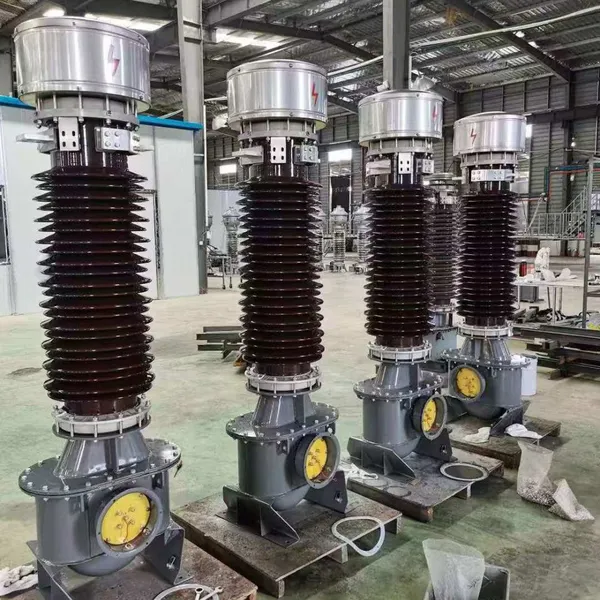
Industrial Grade 35-220KV Oil-Immersed Current Transformer for SubstationsUS$ 480 - 500MOQ: 3 Units
-
LZZBJ9-20 Indoor 24kV High Voltage Cabinet Single-Phase 5-20 for Industrial Power SystemsUS$ 250MOQ: 3 Units
-
17.5 KV Full-enclosed Outdoor Epoxy Resin Casting and Double Pole Insulated Voltage TransformerUS$ 90 - 100MOQ: 1 Piece
-
Three Phase 30kVA SVC Voltage Regulator for Textile Manufacturing, Stable OutputUS$ 159MOQ: 10 Units
-
Amorphous Core 25kVA Transformer Compliant With IEC Standards for Power DistributionUS$ 1300 - 2900MOQ: 2 Units
-
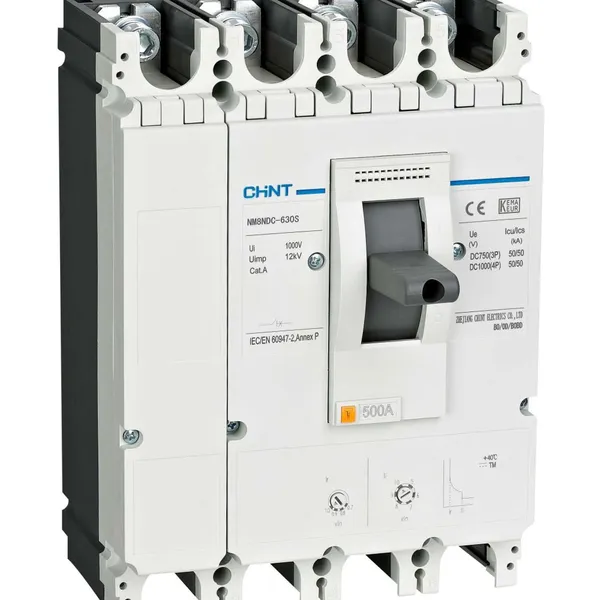
CHINT NM8NDC-630 DC 1000V/Ui High-Voltage Circuit Breaker With 630A Frame CurrentUS$ 425 - 625MOQ: 100 Units
-
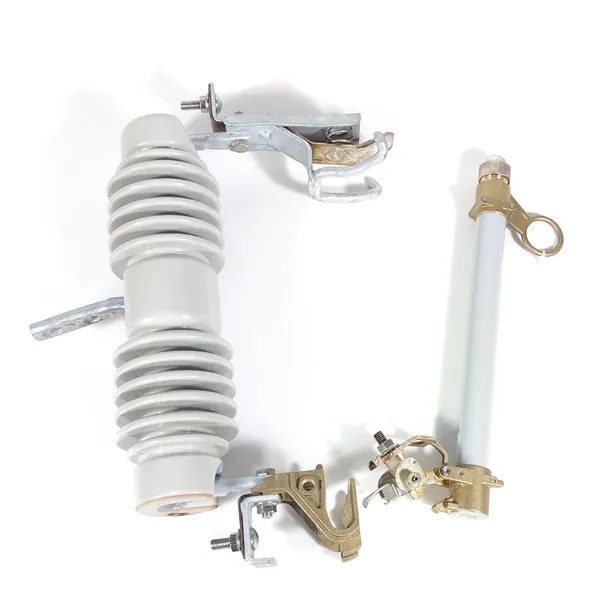
High Voltage Drop Out Fuse Cutout 33KV 27KV 24KV for Overhead LinesUS$ 35MOQ: 100 Units
-
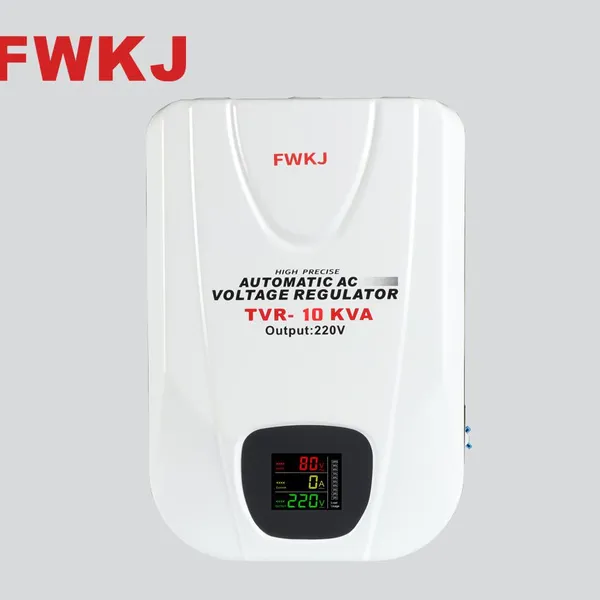
TVR-10 KVA Automatic Voltage Stabilizer 220V ±0.5% Accuracy for Laboratory InstrumentsUS$ 103 - 123MOQ: 1 Unit
-
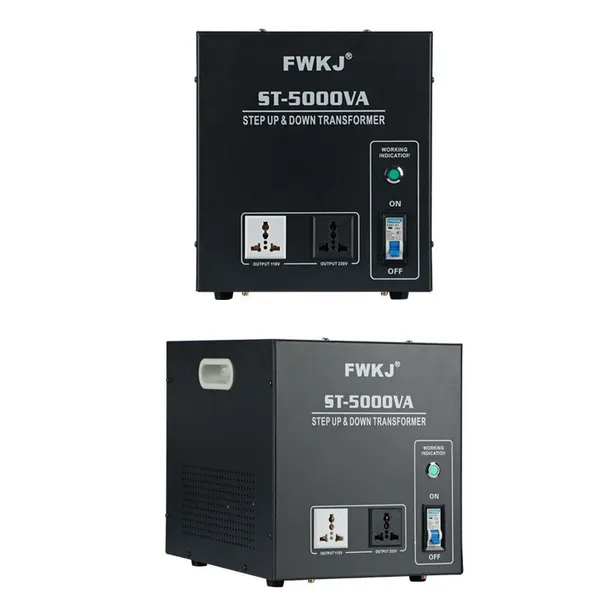
Universal 5000VA Voltage Transformer for International Appliances 110V-220VUS$ 102 - 107MOQ: 10 Units
-
500kV Three-Phase Oil-Immersed Auto Transformer 250MVA for Power GridsUS$ 800 - 9000MOQ: 1 Unit