
 Business License

Internal arc test of central cabinet
The customer requires a cabinet with a width of 17.5kV and 650mm to pass an internal arc fault test of 40kA for 1 second. The external dimensions of the switchgear are: width: 650mm, depth: 1400mm, height: 2200mm, phase spacing: 150mm, rated voltage: 17.5kV, rated power frequency withstand voltage: 38kV, rated lightning impulse withstand voltage: 95kV, rated current: 1250A, rated short-time withstand current: 31.5kA, rated peak withstand current: 82kA, rated internal arc level: IAC A-FLR, 40kA/1s. The first preliminary test found the following problems:
(1) Firstly, the rivet nut will be pulled apart under huge shock wave force;
(2) Therefore, electric arcs are prone to spray out from the gaps between the fastening bolts of the cover plate and door panel;
(3) The pressure relief channel in the cable room is too narrow, resulting in poor pressure relief, and the rear cover plate of the cable room is subjected to excessive pressure and opens;
(4) The SMC insulation board continues to burn inside the cabinet and requires a fire extinguisher to extinguish the fire, resulting in the entire cabinet being scrapped;
(5) According to the requirements of IEC62271-200 standard, the internal arc needs to be tested under a simulated roof 600mm away from the top of the cabinet. The arc was directly sprayed out of the cabinet top and reflected back to the simulated roof to ignite the level indicator, but the test failed.
The main measures taken to address the issues arising from the failure of the experiment include:
(1) deepening the rear cover plate, expanding the pressure relief channel of the cable room, lowering the current transformer to ensure smooth airflow release in the cable room;
(2) Replace rivet nuts with welded nut strips;
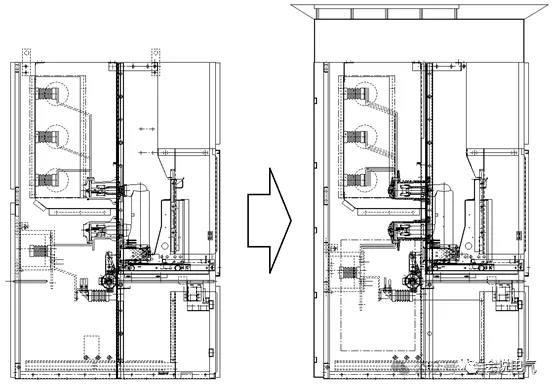
(3) The spacing between the fixing bolts of the rear cover plate, the hinge of the front door panel, and the bolt lock has been reduced to 150mm;
(4) The cover plate and door panel adopt a maze structure design, and a sealing strip is pasted between the cover plate, door panel and the cabinet. The use of wool felt can prevent arc spraying, but the wool felt is too hard to guarantee the sealing of the door panel after frequent opening and long-term use, and cannot meet the IP42 protection level and waterproof requirements. It is also not aesthetically pleasing. After verification, EMKA's 5mm thick flame-retardant sealing strip can meet the IP42 requirements and withstand arc testing. It is also aesthetically pleasing and will not fall off or deform after long-term use;
(5) Install flame-retardant insulation boards on both sides inside the cable room and circuit breaker compartment, and use V0 level flame-retardant materials for contact boxes, insulators, etc;
(6) A buffer compartment is designed at the top of the cabinet. After the pressure is released, it first enters the buffer compartment and quickly reduces the pressure through the common compartment of multiple cabinets. Then, it is released through the pressure relief hole at the top. The flame temperature and gas pressure are greatly reduced, and the level indicator will not ignite.
The above design scheme successfully passed the internal arc test. Three high-voltage compartment arc tests were completed on one switchgear, namely the cable compartment, the handcart compartment, and finally the busbar compartment. Flame retardant V0 insulation material was used, and the arc was quickly released and extinguished in each compartment test. The impact between compartments was minimal, and after each compartment test, the door panel could be easily opened without deformation or burning.
After the internal arc test of the cable room, the circuit breaker handcart compartment is only covered with dust, without damage or deformation, and the handcart can be easily extracted from the inside of the cabinet.
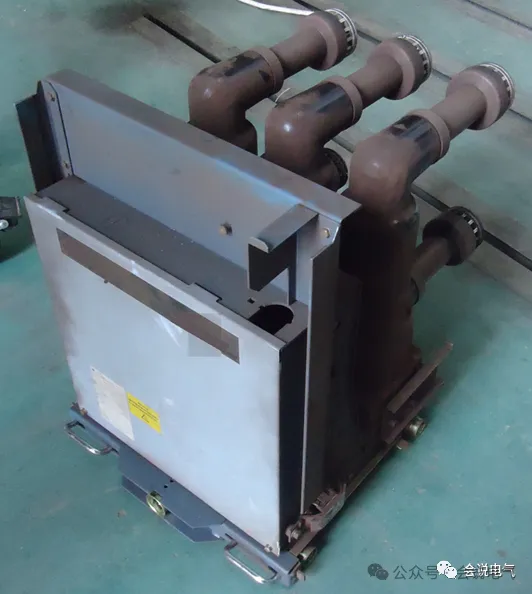
After the internal arc test of the cable room, the isolation handcart used for the test is pulled out of the cabinet and short circuited
The above scheme is used for practical engineering projects with minimal cost increase, ensuring the consistency of the project products. Any switchgear in the project can pass the internal arc test without worrying about failing the spot check test. It also ensures the safety of the operator, and when an internal arc fault occurs, it does not cause any personal injury and minimizes losses. Using the same design scheme, the 800mm wide switchgear successfully passed the IAC AFLR 50kA/1s internal arc test without the need for special methods such as door panel welding or internal bolt locking, achieving true resistance to internal arc faults.
Recently Posted
-
The history of medium voltage switchgear
September 4, 2026Medium voltage circuit breakerIn 1895, GE developed the first oil circuit breaker, and in 1915, GE installed the first metal armor Read More
 -
IEC 17.5kV Circuit Breaker Test
September 3, 2026IEC standards and GB standards are relatively close, with the vast majority of parameters requiring GB standards to be equivalent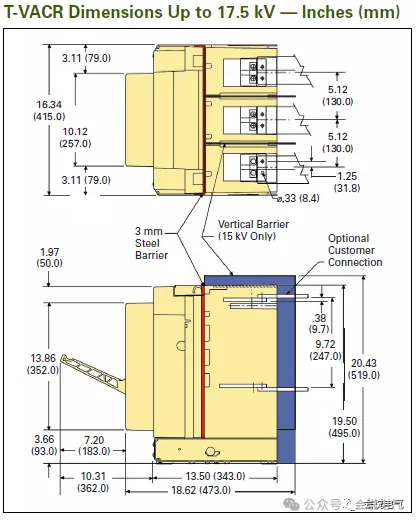 Read More
 -
The relationship between busbar shape, current carrying capacity, and heat generation
September 2, 2026Principles for selecting busbar specifications for low-voltage switchgear1) Due to the low insulation voltage, the clear distance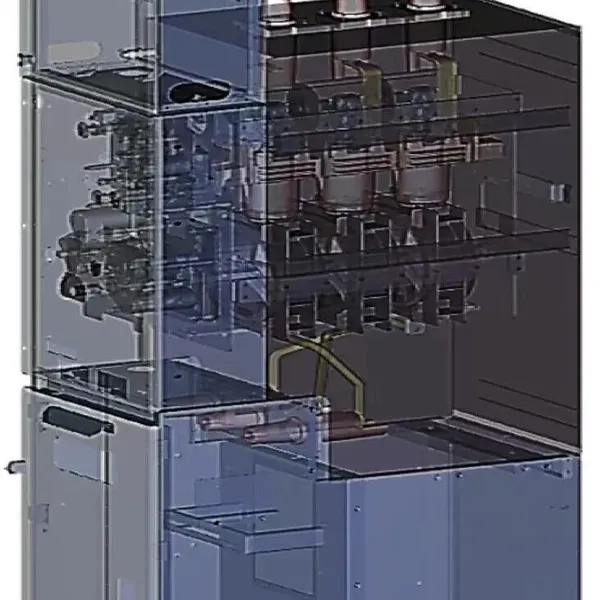 Read More
 -
Design of American standard medium voltage switchgear
September 2, 2026Product development requires a solid and serious approach. Firstly, the customer's demand is for authentic American standard a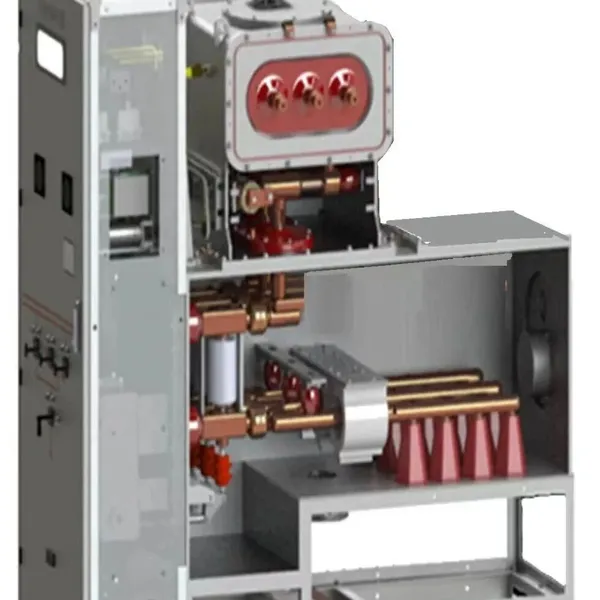 Read More

Contact Us
Recommended Products
-
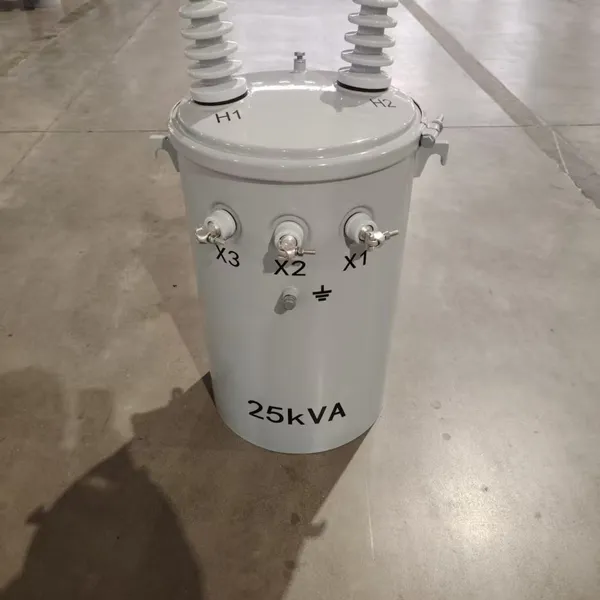
 Single Phase Oil Immersed Transformer 10KVA 15KVA 25KVA 37.5KVA Standard CompliantNegotiableMOQ: 2 Units
 -
Electrical Arc Furnace Transformers up to 120MVA - Certified for Steel Industry ApplicationsUS$ 8000 - 10000MOQ: 1 Unit
-
3-Phase Oil Type Transformer 5-Year Warranty With Load Test ReportUS$ 5428 - 5628MOQ: 1 Unit
-
Three Phase Oil Filled Transformer for Mining Operations Dust-Proof DesignUS$ 5428 - 5628MOQ: 1 Unit
-
HV Three Phase Oil Filled Transformer With ONAN Cooling 500kVA-2500kVAUS$ 5428 - 5628MOQ: 1 Unit
-
11/24/33KV High Voltage Isolation Switch With Mill Test ReportUS$ 800MOQ: 1 Unit
-
3-Pole Outdoor Isolation Switch With 5-Year Warranty and Compliance TestingUS$ 800MOQ: 1 Unit
-
YH5WZ 3KV-110KV Zinc Oxide Arrester for Power Station Outdoor High Voltage DistributionUS$ 21MOQ: 100 Units
-
Outdoor SF6 Load Break Switch LW30-72.5/1250A 24KV 630A 16KA Three PhaseUS$ 10000MOQ: 1 Unit
-
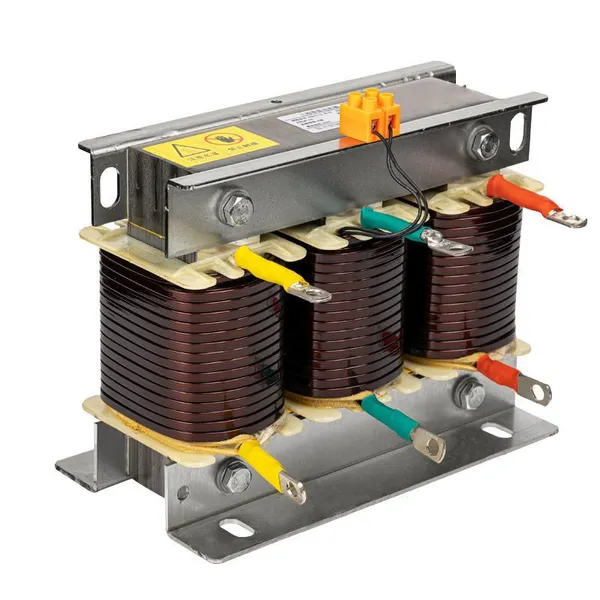
Input Line Reactor for CNC Machine Frequency Converters, 400V 60HzUS$ 65MOQ: 5 Units
-
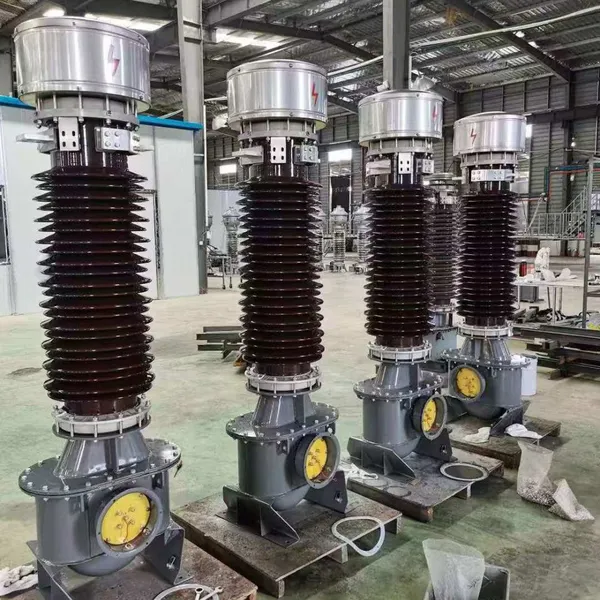
Industrial Grade 35-220KV Oil-Immersed Current Transformer for SubstationsUS$ 480 - 500MOQ: 3 Units
-
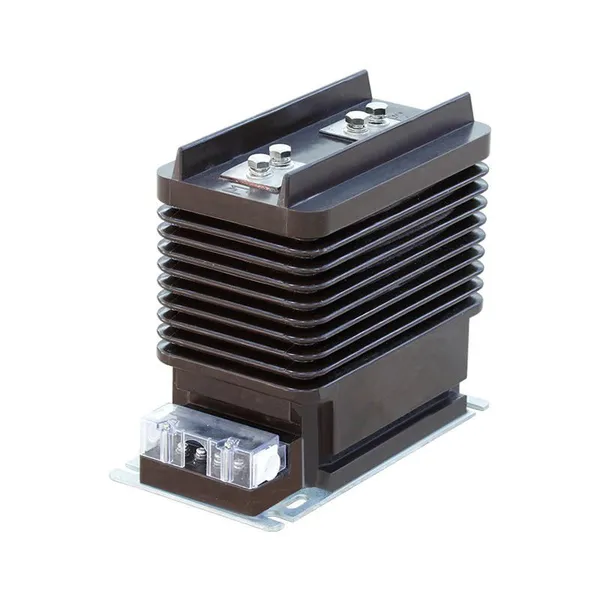
LZZBJ9-20 Indoor 24kV High Voltage Cabinet Single-Phase 5-20 for Industrial Power SystemsUS$ 250MOQ: 3 Units
-
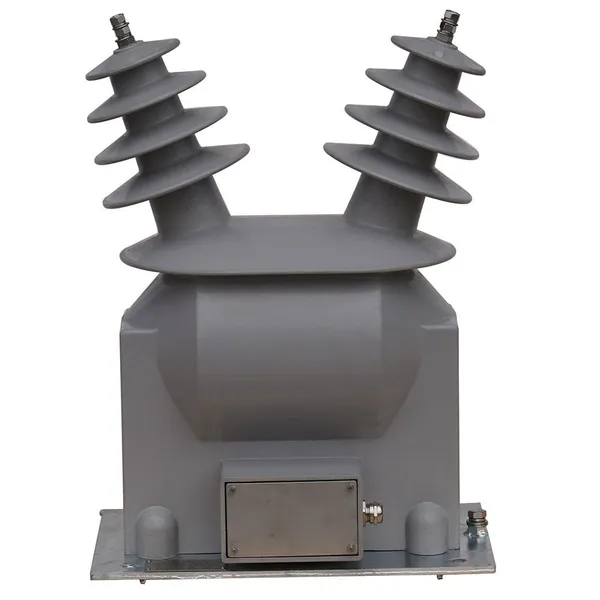
17.5 KV Full-enclosed Outdoor Epoxy Resin Casting and Double Pole Insulated Voltage TransformerUS$ 90 - 100MOQ: 1 Piece
-
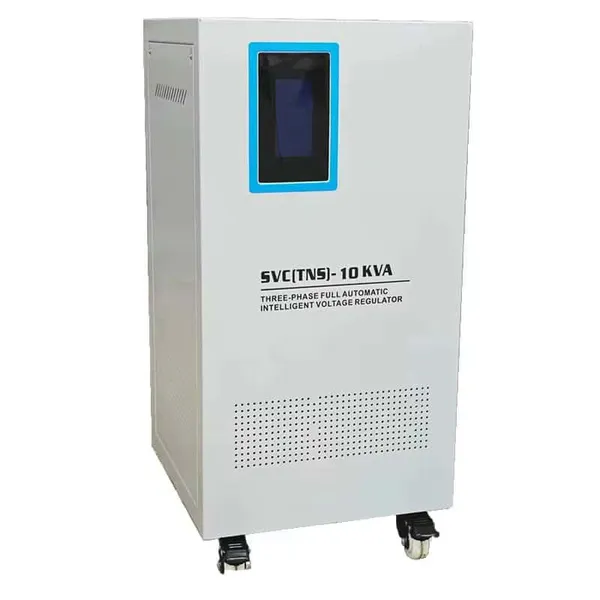
Three Phase 30kVA SVC Voltage Regulator for Textile Manufacturing, Stable OutputUS$ 159MOQ: 10 Units
-
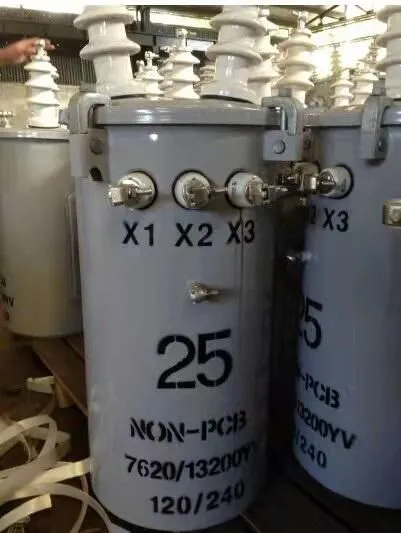
Amorphous Core 25kVA Transformer Compliant With IEC Standards for Power DistributionUS$ 1300 - 2900MOQ: 2 Units
-
CHINT NM8NDC-630 DC 1000V/Ui High-Voltage Circuit Breaker With 630A Frame CurrentUS$ 425 - 625MOQ: 100 Units
-
High Voltage Drop Out Fuse Cutout 33KV 27KV 24KV for Overhead LinesUS$ 35MOQ: 100 Units
-
TVR-10 KVA Automatic Voltage Stabilizer 220V ±0.5% Accuracy for Laboratory InstrumentsUS$ 103 - 123MOQ: 1 Unit
-
Universal 5000VA Voltage Transformer for International Appliances 110V-220VUS$ 102 - 107MOQ: 10 Units
-
500kV Three-Phase Oil-Immersed Auto Transformer 250MVA for Power GridsUS$ 800 - 9000MOQ: 1 Unit