
 Business License

The use of heat shrink tubing
For the use of heat shrink tubing, foreign customers accept it as an insulation medium. According to the requirements of RAYCHEM 24kV heat shrink tubing, for 95kV impulse withstand voltage, rectangular copper bars with a clear distance between phases greater than 85mm can be used. 75kV only needs to be greater than 65mm.
Why do some domestic users not use heat shrink tubing as an insulation medium? Worries about aging, high temperatures leading to the rupture of heat shrink tubing, and concerns about local damage caused by bumps during production and assembly can all affect insulation performance. For copper bars with complex shapes, heat shrink tubing often cannot tightly adhere to the surface of the copper bar, resulting in gaps and high electric field strength of partial discharge, leading to breakdown discharge.
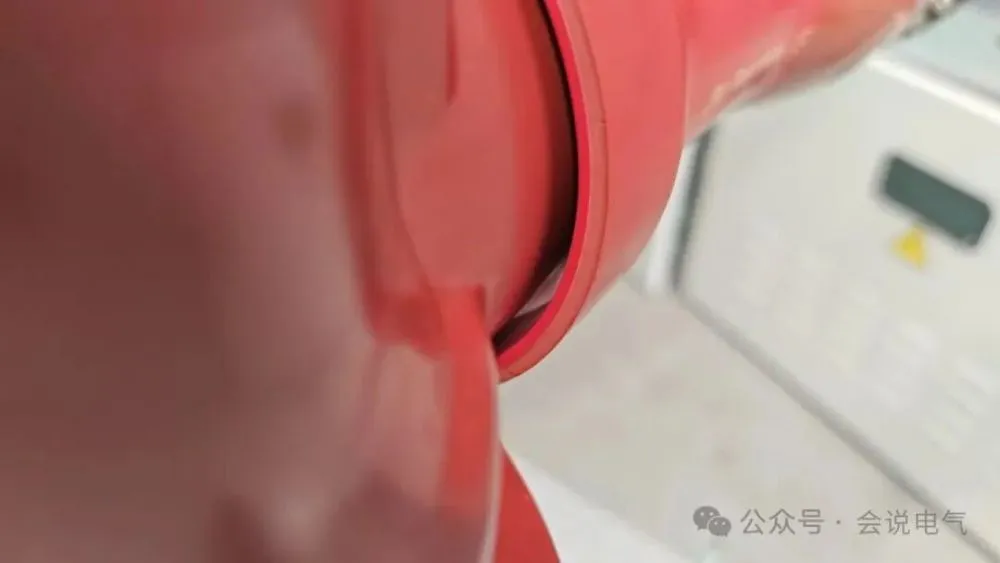
Firstly, high-quality heat shrink tubing can have a service life of over 20 years under suitable usage conditions. The reasonable and high conductivity copper bar design ensures that the equipment does not experience high temperature rise during long-term use. Short term overcurrent and instantaneous short circuit will not cause the heat shrink tubing to rupture. Similarly, the uniform electric field design, combined with the composite insulation of the heat shrink tubing, can achieve miniaturization.
For IEC 36kV air insulated switchgear, the air clearance required for the 170kV lightning impulse withstand voltage specified in IEC60071 standard is 320mm, while for GB40.5kV switchgear requiring a lightning impulse withstand voltage of 185kV, a minimum air gap of 360mm is required.
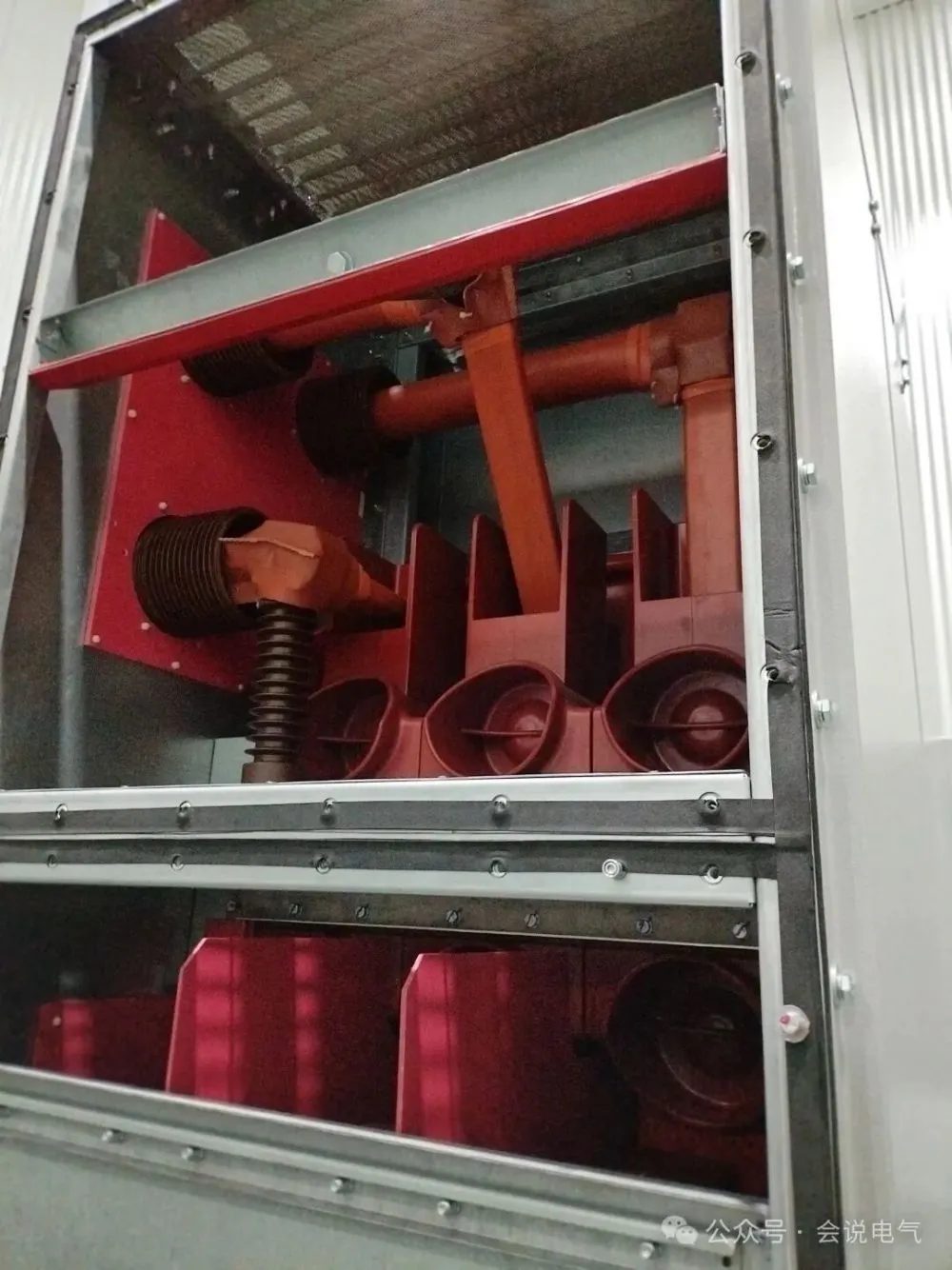
By using heat shrink tubing, the electrical clearance can be greatly reduced, but there is a risk of high-temperature aging/rupture. For example, the RAYCHEM model BBIT sleeve has a clear distance of 140mm between rectangular copper bars and 190mm relative to each other. At the same time, it is very reasonable to provide that the required spacing for circular busbars should be smaller than that for rectangular copper bars.
The IEC standard specifies a minimum air clearance of 160mm for 95kV lightning impulse withstand voltage;
Therefore, for a 600mm wide switchgear, the phase to phase distance is 150mm, which cannot guarantee a net distance of 160mm. However, composite insulation such as heat shrink tubing, epoxy resin vulcanization coating, and insulation boards can be used to reduce the distance. By using heat shrink tubing from companies such as Ruikan as composite insulation, the net distance can be significantly reduced. 1250A uses two 50 × 8 copper bars per phase, wrapped with Raychem 25kV thermoplastic sleeve BPTM. The phase to phase clearance can be greater than 95mm, which meets Raychem's technical specifications for a minimum of 85mm between phases. The minimum clearance between copper bars relative to ground is 115mm, which is also greater than the required 105mm. The requirements for net distance of Ruikan BPTM heat shrink tubing are shown in the table.
Requirements for static distance of Ruikan BPTM heat shrink tubing
The maximum working temperature range of Ruikan heat shrink tubing is up to 125 degrees Celsius. Prolonged use below this temperature has been proven by Ruikan accelerated aging tests, which have shown that the risk of heat shrink tubing rupture and insulation failure is very low.
Through optimized design, 2 50 × 8 copper bars are used for each phase, and the temperature rise under 60Hz 1250A current is only about 60k, which is lower than the maximum heat-resistant temperature limit and will not cause cracking problems. The reason for the occurrence of heat shrink tubing cracking and insulation failure is that some companies use substandard materials and low product quality in their copper bars, resulting in excessively high temperatures in the copper bars and low heat-resistant temperatures in the thermoplastic sleeves.
Can RAYCHEM heat shrink tubing be used for North American IEEE C37.20.2 switchgear? Firstly, RAYCHEM heat shrink tubing is UL certified. Secondly, whether it can be used specifically requires passing the specified combustion test in C37.20.2 before it can be used.
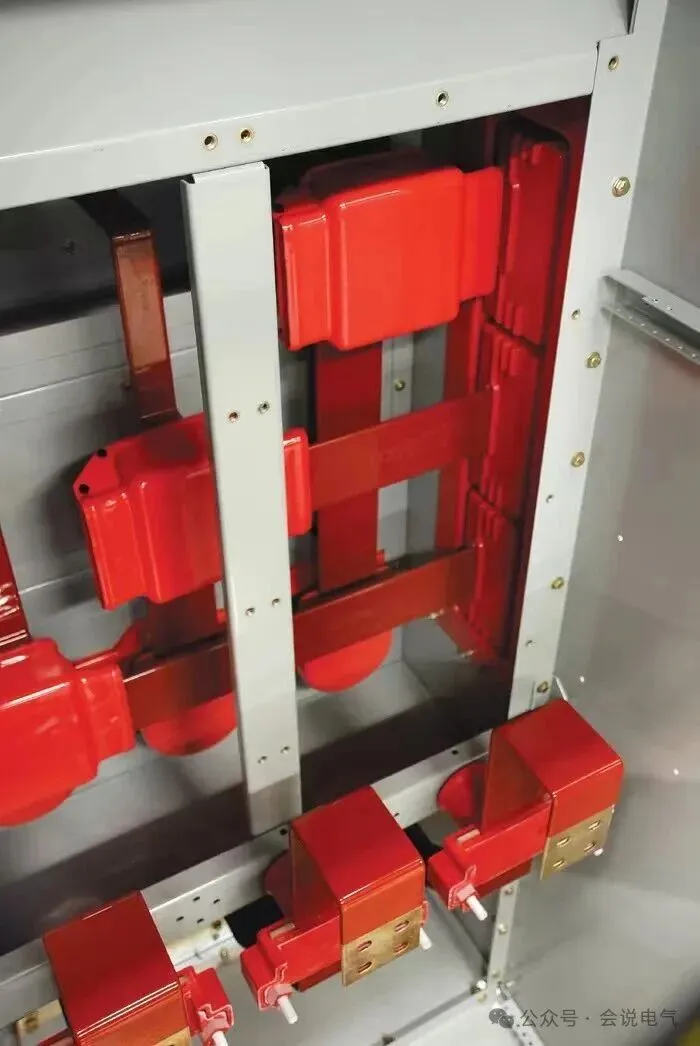
The general busbar of American standard medium voltage switchgear is treated with epoxy fluidization, which must make sense.
Recently Posted
-
Jinhua Dika Electrical Equipment: Manufacturing Transformers and Switchgear in Zhejiang, China
August 31, 2026When a buyer starts looking for a transformer or a complete switchgear set, the hardest part is often not the specification. It is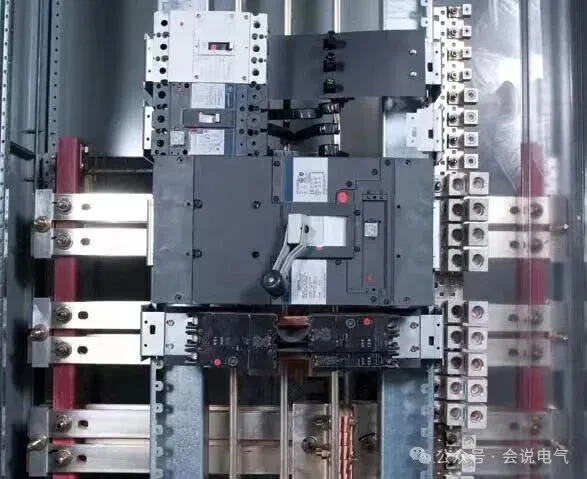 Read More
 -
Environmentally friendly gas insulated 40.5kV switchgear
August 31, 2026There are two types of 40.5kV environmentally friendly gas insulated switchgear: one is used for ring network power supply, with l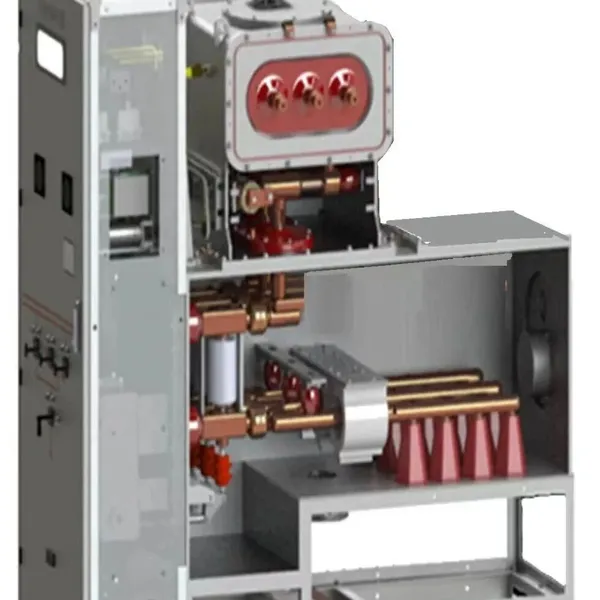 Read More
 -
American standard 38kV metal armored outdoor switchgear
August 31, 2026The power frequency withstand voltage of the 38kV switchgear is 80kV, and the lightning impulse withstand voltage is 150kV. For me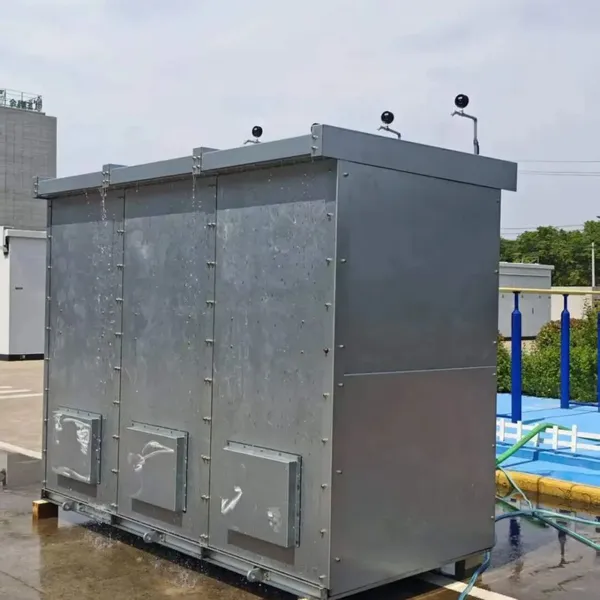 Read More
 -
Transformer Factory Tests: Routine, Type and Special Tests Explained
August 28, 2026An importer once accepted a transformer shipment without reading the test report, only to find the unit failed on site because its
Read More

Contact Us
Recommended Products
-
 Single Phase Oil Immersed Transformer 10KVA 15KVA 25KVA 37.5KVA Standard CompliantNegotiableMOQ: 2 Units
 -
Electrical Arc Furnace Transformers up to 120MVA - Certified for Steel Industry ApplicationsUS$ 8000 - 10000MOQ: 1 Unit
-
3-Phase Oil Type Transformer 5-Year Warranty With Load Test ReportUS$ 5428 - 5628MOQ: 1 Unit
-
Three Phase Oil Filled Transformer for Mining Operations Dust-Proof DesignUS$ 5428 - 5628MOQ: 1 Unit
-
HV Three Phase Oil Filled Transformer With ONAN Cooling 500kVA-2500kVAUS$ 5428 - 5628MOQ: 1 Unit
-
11/24/33KV High Voltage Isolation Switch With Mill Test ReportUS$ 800MOQ: 1 Unit
-
3-Pole Outdoor Isolation Switch With 5-Year Warranty and Compliance TestingUS$ 800MOQ: 1 Unit
-
YH5WZ 3KV-110KV Zinc Oxide Arrester for Power Station Outdoor High Voltage DistributionUS$ 21MOQ: 100 Units
-
Outdoor SF6 Load Break Switch LW30-72.5/1250A 24KV 630A 16KA Three PhaseUS$ 10000MOQ: 1 Unit
-
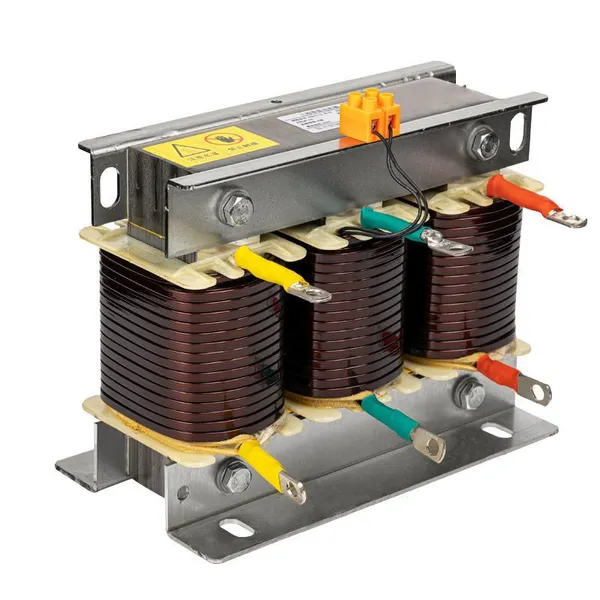
Input Line Reactor for CNC Machine Frequency Converters, 400V 60HzUS$ 65MOQ: 5 Units
-
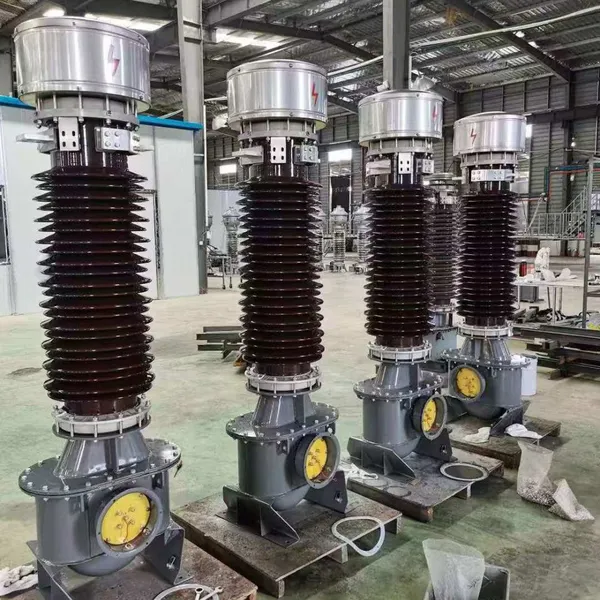
Industrial Grade 35-220KV Oil-Immersed Current Transformer for SubstationsUS$ 480 - 500MOQ: 3 Units
-
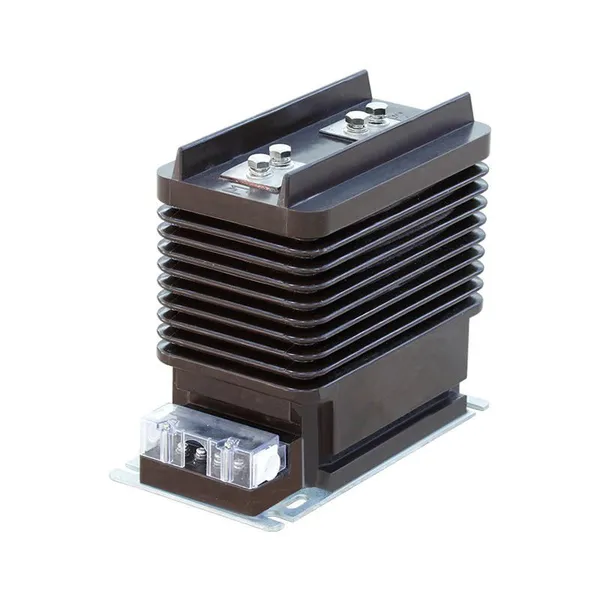
LZZBJ9-20 Indoor 24kV High Voltage Cabinet Single-Phase 5-20 for Industrial Power SystemsUS$ 250MOQ: 3 Units
-
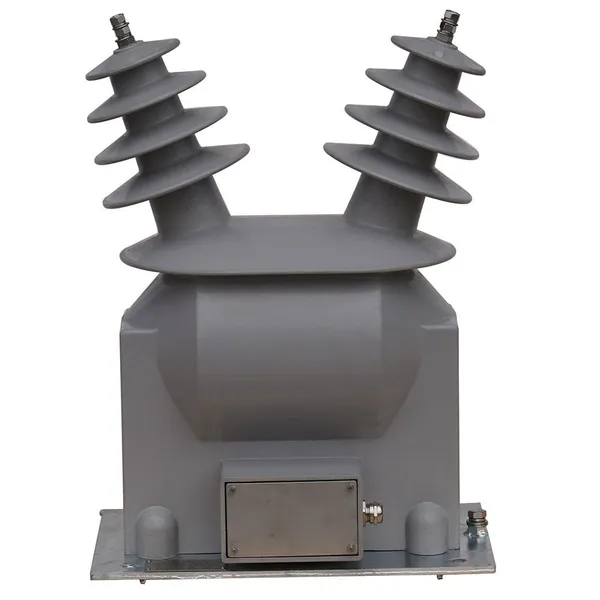
17.5 KV Full-enclosed Outdoor Epoxy Resin Casting and Double Pole Insulated Voltage TransformerUS$ 90 - 100MOQ: 1 Piece
-
Three Phase 30kVA SVC Voltage Regulator for Textile Manufacturing, Stable OutputUS$ 159MOQ: 10 Units
-
Amorphous Core 25kVA Transformer Compliant With IEC Standards for Power DistributionUS$ 1300 - 2900MOQ: 2 Units
-
CHINT NM8NDC-630 DC 1000V/Ui High-Voltage Circuit Breaker With 630A Frame CurrentUS$ 425 - 625MOQ: 100 Units
-
High Voltage Drop Out Fuse Cutout 33KV 27KV 24KV for Overhead LinesUS$ 35MOQ: 100 Units
-
TVR-10 KVA Automatic Voltage Stabilizer 220V ±0.5% Accuracy for Laboratory InstrumentsUS$ 103 - 123MOQ: 1 Unit
-
Universal 5000VA Voltage Transformer for International Appliances 110V-220VUS$ 102 - 107MOQ: 10 Units
-
500kV Three-Phase Oil-Immersed Auto Transformer 250MVA for Power GridsUS$ 800 - 9000MOQ: 1 Unit