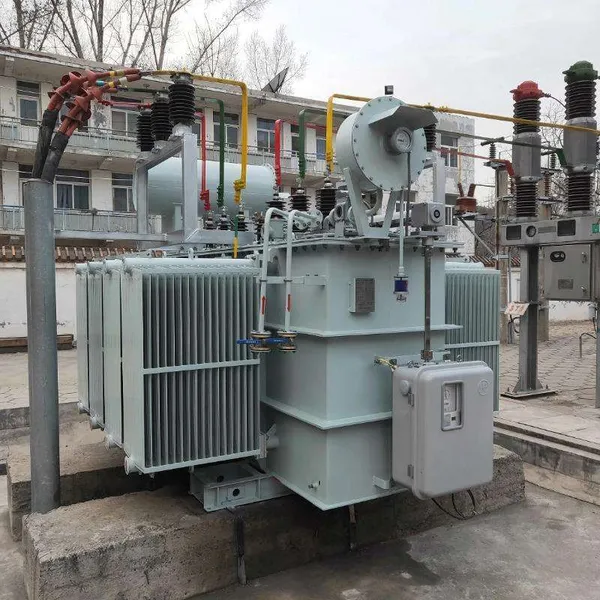

 Business License

Jinhua Dika Electrical Equipment: Manufacturing Transformers and Switchgear in Zhejiang, China
When a buyer starts looking for a transformer or a complete switchgear set, the hardest part is often not the specification. It is finding a manufacturer that will confirm the details twice, test every unit before it leaves, and still answer an email the same day.
That combination of engineering discipline and responsiveness is what Jinhua Dika Electrical Equipment Co., Ltd. has built its export business around. Based in Jinhua, Zhejiang Province, the company manufactures transformers, instrument transformers, and complete high and low voltage switchgear for customers across the world.
This article introduces the company, what it makes, how it controls quality, and what a buyer can expect when working with it from first inquiry to final delivery.
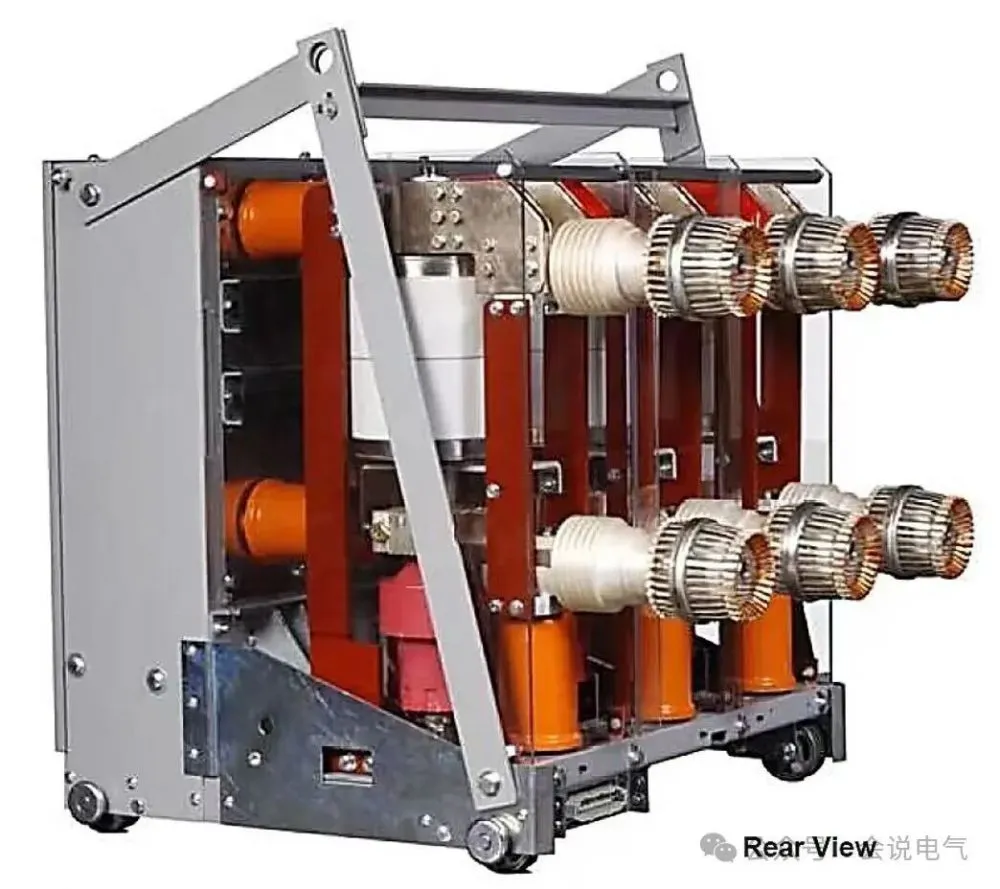
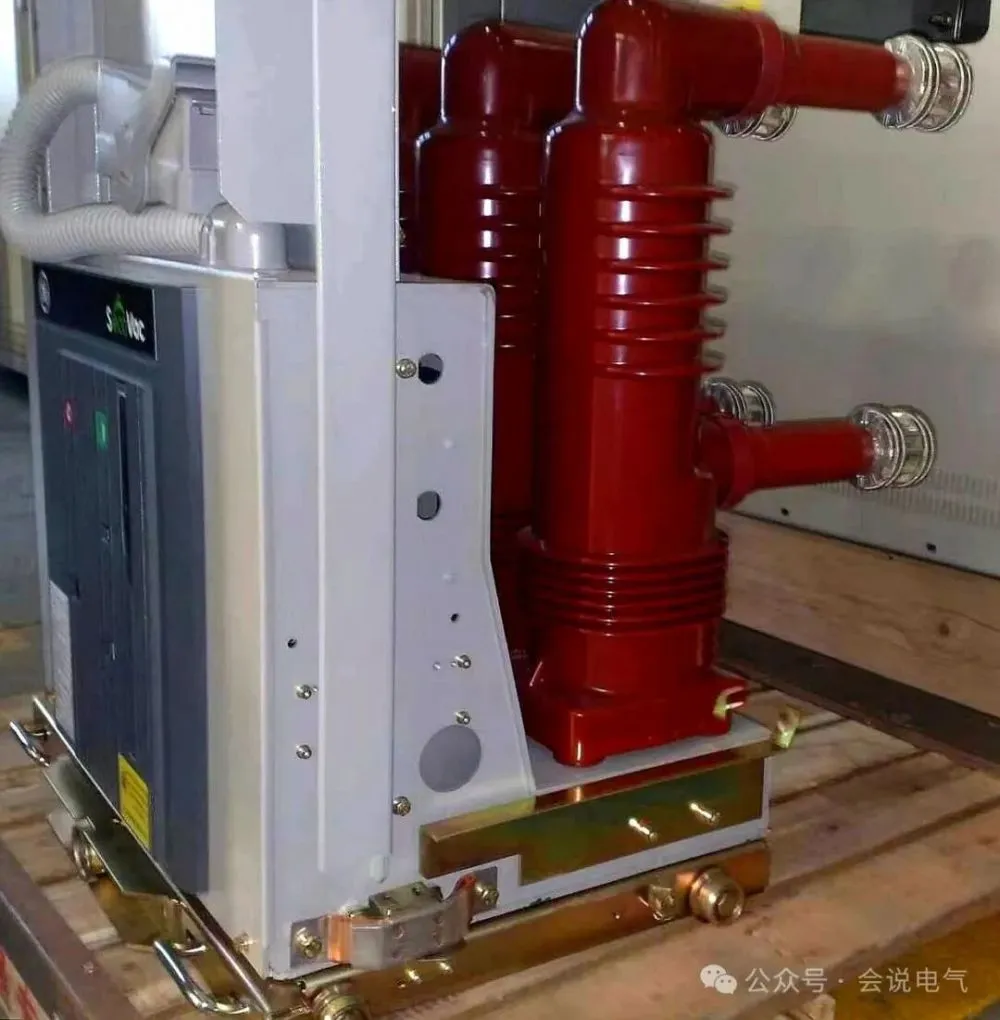
1. A Transformer and Switchgear Maker in Zhejiang
Jinhua Dika Electrical Equipment Co., Ltd. was established in 2016 and operates a 40-acre production base in Jinhua, Zhejiang Province. Zhejiang is one of China's major electrical equipment manufacturing regions, with a dense supply chain for steel, insulation, and components that supports fast and consistent production.
The company's product range covers transformers, current transformers, voltage transformers, high and low voltage complete cabinets, circuit breakers, and electrical accessories. This breadth means a buyer can source several related items from a single supplier rather than coordinating between multiple factories.
Dika Electrical Equipment has grown steadily since its founding, building up more than 50 patented technologies and an annual production capacity of roughly one million pieces. Those figures reflect a factory set up for repeatable volume, not just one-off prototypes.
Jinhua itself sits in the central part of Zhejiang, within reach of the province's major logistics corridors. That position, combined with access to the eastern ports, means finished goods move from the factory floor to a vessel without the long inland haul that adds cost and time for factories in more remote regions.
2. What Jinhua Dika Electrical Manufactures
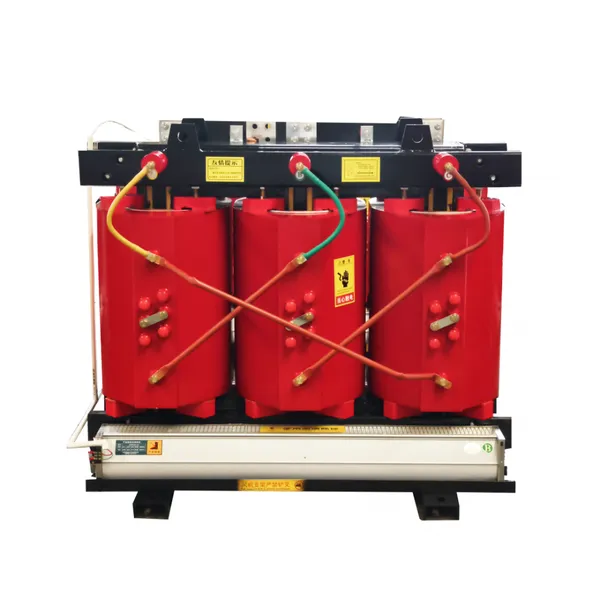
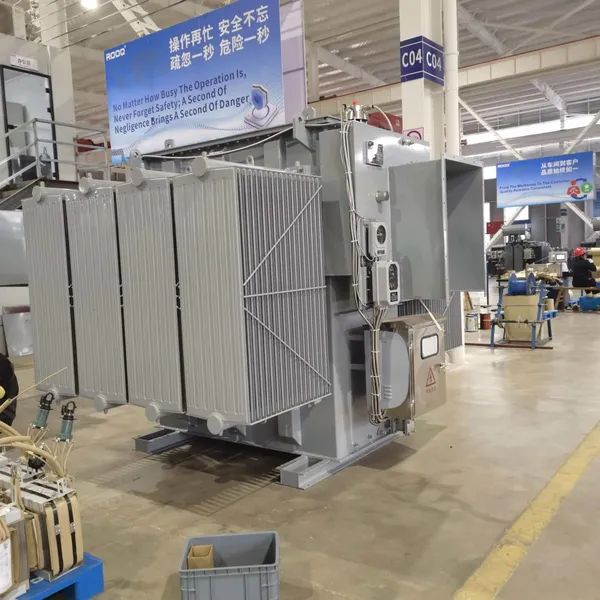
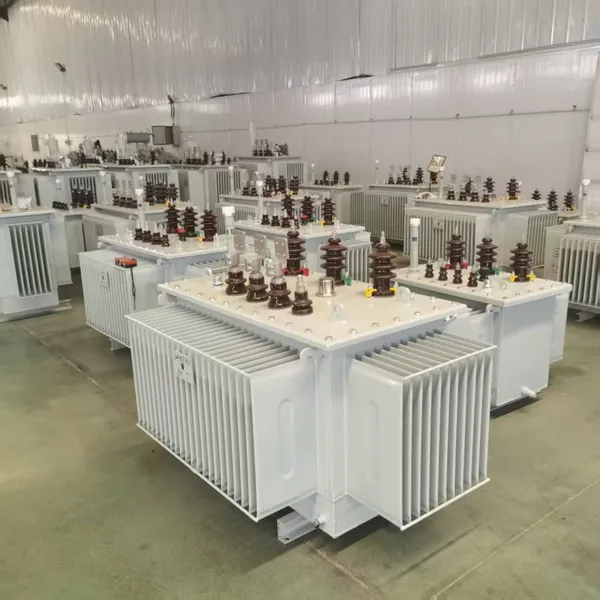
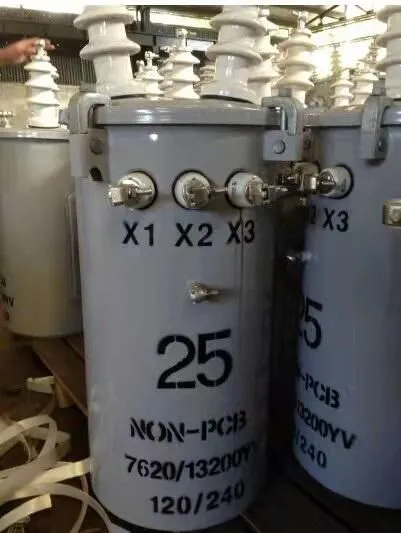
The transformer line is the core of the business. It includes oil-immersed transformers, dry-type transformers, and distribution transformers for the voltage levels common in international projects, including 11 kV and 33 kV systems.
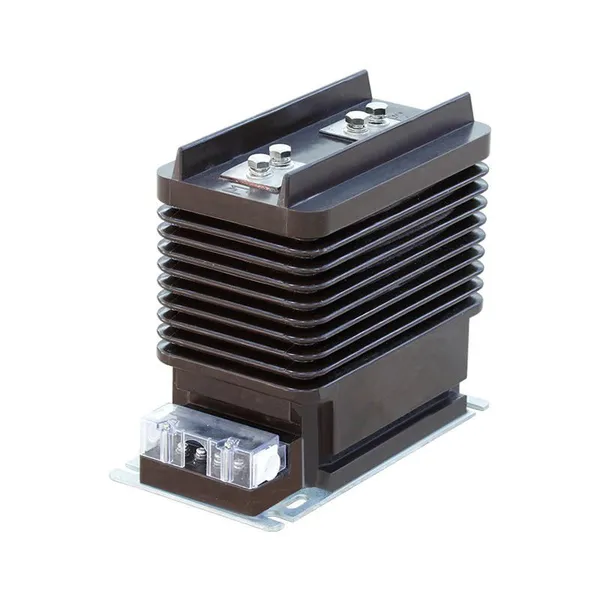
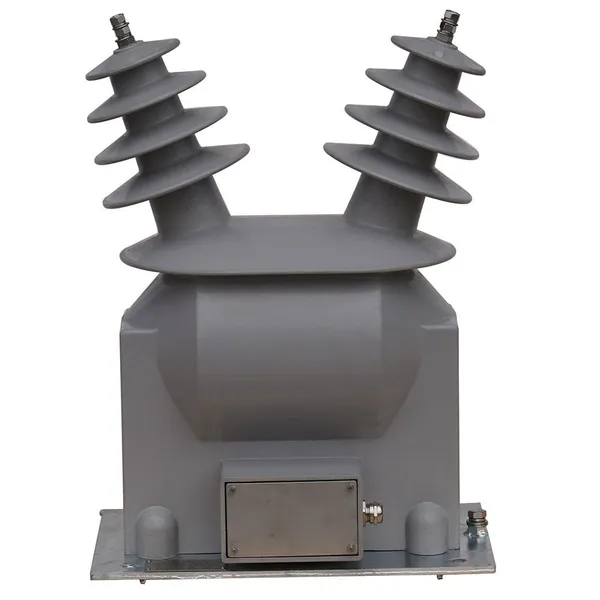
Alongside transformers, the factory produces instrument transformers used for metering and protection. Current transformers and voltage transformers are manufactured to match the accuracy classes and ratios that relay and metering schemes require, which makes them a natural complement to the larger power units.
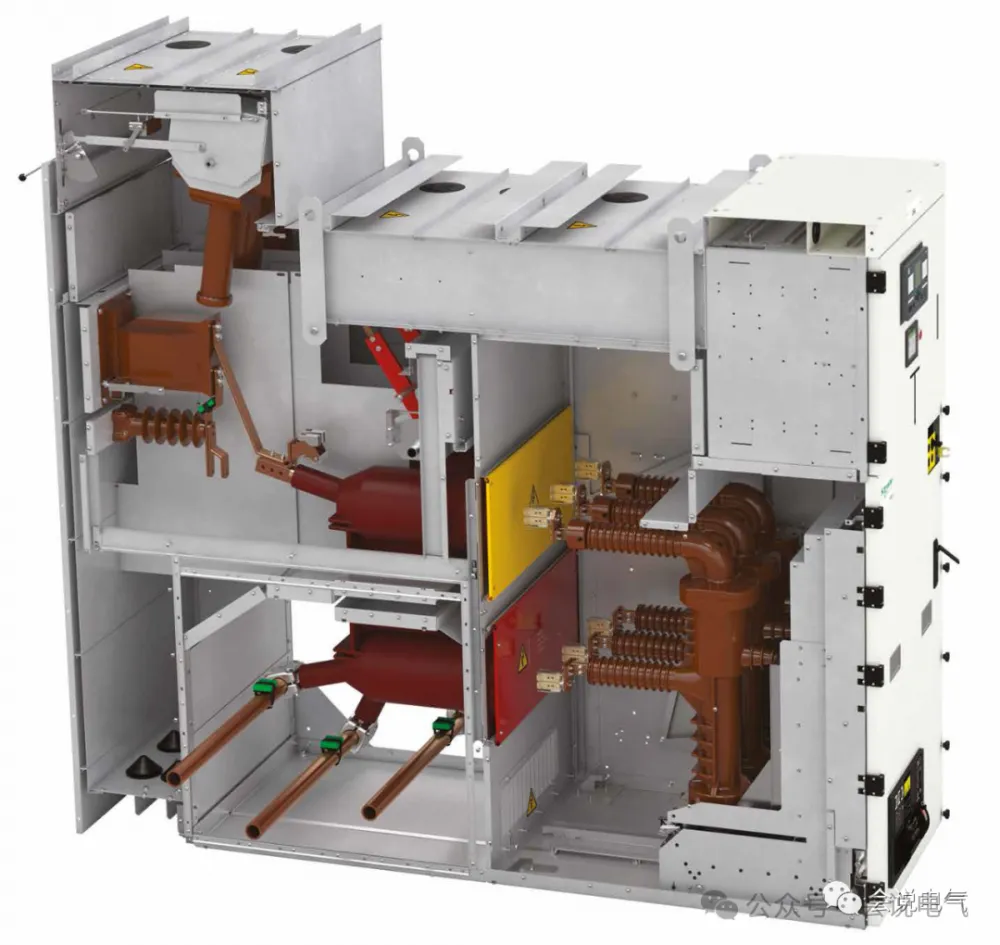
The switchgear range rounds out the offering. High and low voltage complete cabinets, circuit breakers, and electrical accessories are built and tested in-house, so the components and the equipment they go into come from the same quality system.
These products serve a wide range of applications, from utility distribution and substations to industrial plants, commercial buildings, and renewable energy projects. A single buyer working on a substation can often source the transformer, the instrument transformers, and the protection equipment from the same production line.
The instrument transformer range is worth singling out, because metering and protection accuracy depends on it. Current transformers are offered in the standard accuracy classes used for both revenue metering and relay protection, and the ratio is confirmed for each order rather than shipped from a generic stock.
3. A Production Base Built for Volume
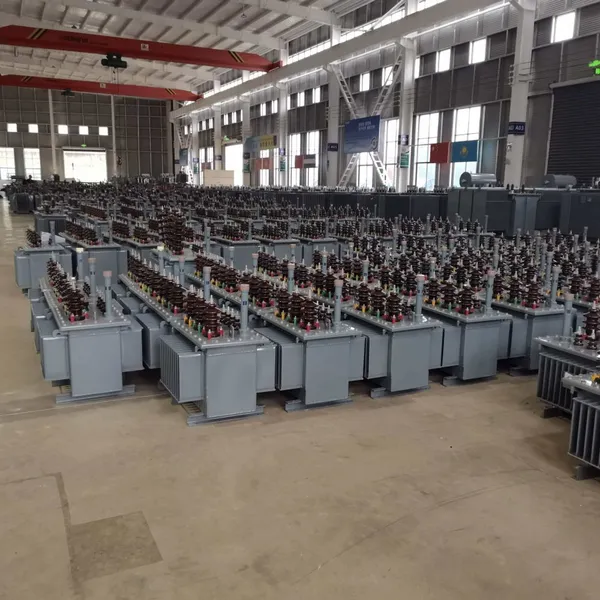
The 40-acre facility gives Dika Electrical room to keep core processes under its own control. Steel processing, winding, assembly, and testing all happen on site, which shortens lead times and keeps quality from drifting between outsourced steps.
An annual capacity of around one million pieces means the company is set up to handle repeat orders and bulk shipments, not just small quantities. For a buyer placing a container or a long-term supply agreement, that capacity provides confidence that delivery dates will hold.
The factory's scale also shows up in the test equipment. A manufacturer that produces at volume invests in the rigs needed to test that volume, and the company's test program is a central part of how it protects its reputation on export orders.
The production flow follows a standard sequence: steel cutting and core stacking, winding, assembly, oil filling where applicable, and then a full routine test. Keeping every step in-house means a problem found at testing can be traced back to its source quickly, rather than blamed on an outside subcontractor.
The company also keeps a reserve of common specifications in production rotation, which helps when a buyer needs a standard unit quickly. Custom orders are scheduled separately, with the lead time confirmed at quoting so there are no surprises later.
4. Quality Systems and Certifications
Dika Electrical Equipment operates under a certified quality management system, holding ISO9001, ISO14000, and OHSAS18001 certifications. These cover product quality, environmental management, and occupational health and safety respectively.
Certification matters for export buyers because many tenders and import procedures require a recognized quality system before goods are even considered. Holding these certificates means the company can supply projects where documentation is as important as the hardware itself.
Beyond the certificates, the day-to-day quality work happens on the line. Incoming materials are checked before they reach production, and finished units are tested against the relevant IEC standards before they are packed for shipment.
On the production line, material certificates are collected for the core steel and copper, winding dimensions are checked against the design, and finished units are inspected against a written checklist before they are approved for packing. The goal is to catch a defect at the factory, where it is cheap to fix, rather than at the customer's site.
5. Testing Before Every Dispatch
Every transformer that leaves the Dika Electrical factory goes through a routine test covering winding resistance, voltage ratio, no-load loss, load loss, and applied voltage. These are the same checks a buyer would want to see repeated on arrival, and the company provides the test report with the unit.
The table below summarizes the routine tests a buyer can expect to see documented on a typical transformer shipment.
| Test | What It Confirms |
|---|---|
| Winding resistance | Correct conductor cross-section and connection |
| Voltage ratio | Turns ratio matches the ordered specification |
| No-load loss and current | Core quality and magnetizing performance |
| Load loss and impedance | Winding losses and short-circuit behavior |
| Applied voltage test | Insulation withstands the required voltage |
For buyers who want extra assurance, pre-shipment inspection can be arranged, and many customers send a third-party inspector to witness the tests before the goods are released. The company is set up to accommodate that request without disrupting the production schedule.
Type tests, which verify a design against the full set of standard requirements, are also performed on representative units. When a buyer's project references a particular standard, the company can provide the relevant test documentation to demonstrate that the design has been proven against it.
Buyers sometimes ask why so much emphasis is placed on testing, and the answer is straightforward. A transformer is sealed equipment; once it is installed and energized, an internal defect is expensive to reach. The factory test is the cheapest moment in the product's life to confirm it is right.
6. Serving Export Markets Worldwide
Jinhua Dika Electrical Equipment exports to markets across North America, South America, Europe, Southeast Asia, Africa, the Middle East, and Oceania. Its annual export value sits in the range of US$1 million to US$1.5 million, reflecting steady rather than speculative international business.
The company ships from the major eastern ports of Shanghai, Tianjin, Guangzhou, and Ningbo, which gives it flexibility on routing and freight cost depending on the destination. That flexibility becomes useful when a buyer is working against a project deadline and needs the fastest practical sailing.
The company's growth across these markets has been gradual rather than sudden, built on repeat orders and referrals. For a buyer evaluating a new supplier, a steady export record is often a more reliable signal than a single large project claim.
Serving this many regions has taught the factory to build to multiple standards. Whether a project references IEC or a regional variation, the engineering team is accustomed to confirming the exact requirement before production begins rather than assuming a default.
This experience also means the factory is familiar with the documentation that different regions require, from test reports to certificates of origin. For a buyer importing for the first time, having a supplier that already understands the paperwork removes a layer of uncertainty from the transaction.
7. The Zhejiang Manufacturing Advantage
Being based in Zhejiang is not a slogan; it is a practical advantage. The province has one of the densest electrical supply chains in China, which means steel, insulation materials, and components can be sourced quickly and to consistent specifications.
That density keeps lead times short and quality stable, because a local supplier base responds faster than one scattered across the country. For Dika Electrical, it also means the factory can draw on experienced workers and engineers who have spent their careers in electrical manufacturing.
Buyers sometimes overlook location when choosing a supplier, but it directly affects how reliably a delivery date is met. A manufacturer embedded in a strong regional supply chain is better positioned to absorb the small disruptions that slow down more isolated factories.
The same regional ecosystem supplies the raw materials that go into every unit, from grain-oriented silicon steel for the cores to the copper and insulation used in the windings. A short, trusted supply chain for these inputs is part of why the factory can hold both cost and quality steady across repeat orders.
8. Working with Buyers from Inquiry to Delivery
The company's service model is built around confirming details early. When an inquiry arrives, the engineering team reviews the specification, confirms the voltage, frequency, and standards, and then quotes against those confirmed points rather than a generic assumption.
After an order is placed, the buyer receives a production schedule and, where requested, progress photos during manufacture. The final test report ships with the goods, so the buyer holds the documented numbers before the equipment is ever energized.
This is the part of the relationship that buyers tend to remember. A transformer is a long-lived asset, and knowing the supplier will still be responsive a year after delivery is worth as much as the initial price in many sourcing decisions.
After delivery, the relationship continues. If a question comes up during installation or commissioning, the engineering team is available to help interpret the test report or clarify a connection detail. That kind of support is harder to find from a supplier that treats the invoice as the end of the job.
9. FAQ
9.1 What products does Jinhua Dika Electrical Equipment manufacture?
The company manufactures transformers, current transformers, voltage transformers, high and low voltage complete cabinets, circuit breakers, and electrical accessories. The transformer range includes oil-immersed, dry-type, and distribution transformers for voltage levels such as 11 kV and 33 kV. This breadth allows a buyer to consolidate several related electrical items with a single supplier and a single quality system.
9.2 Where is Jinhua Dika Electrical Equipment located?
The company is located in Jinhua, Zhejiang Province, China, on a 40-acre production base. Zhejiang is one of China's major electrical equipment manufacturing regions, with a dense local supply chain for steel, insulation, and components. The factory ships from the eastern ports of Shanghai, Tianjin, Guangzhou, and Ningbo, which gives buyers flexible routing options for international freight.
9.3 What certifications does the company hold?
Jinhua Dika Electrical Equipment holds ISO9001, ISO14000, and OHSAS18001 certifications, covering quality management, environmental management, and occupational health and safety. These certificates are often a prerequisite for export tenders and import procedures, and they reflect a factory that has formalized its processes rather than relying on informal quality checks.
9.4 How does the company test its transformers before shipment?
Every transformer undergoes a routine test before dispatch, covering winding resistance, voltage ratio, no-load loss, load loss, and applied voltage. The test report is provided with the unit, and buyers can also arrange third-party pre-shipment inspection to witness the tests. This documentation gives an importer the verified numbers before the equipment is installed and energized.
Recently Posted
-
Environmentally friendly gas insulated 40.5kV switchgear
August 31, 2026There are two types of 40.5kV environmentally friendly gas insulated switchgear: one is used for ring network power supply, with l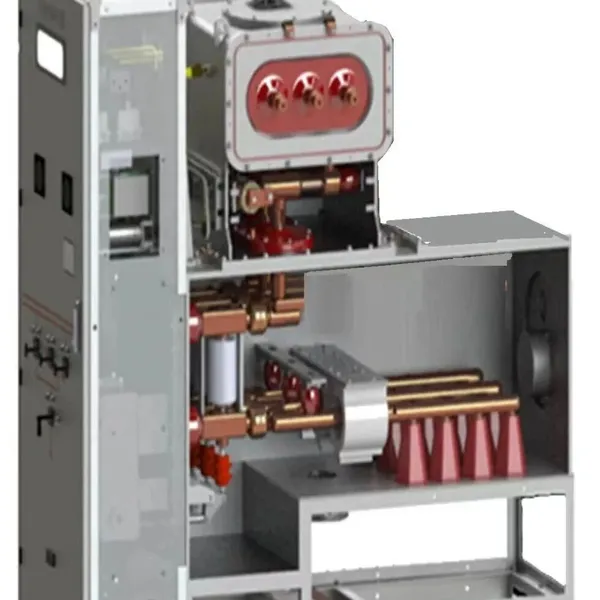 Read More
 -
The use of heat shrink tubing
August 31, 2026For the use of heat shrink tubing, foreign customers accept it as an insulation medium. According to the requirements of RAYCHEM 2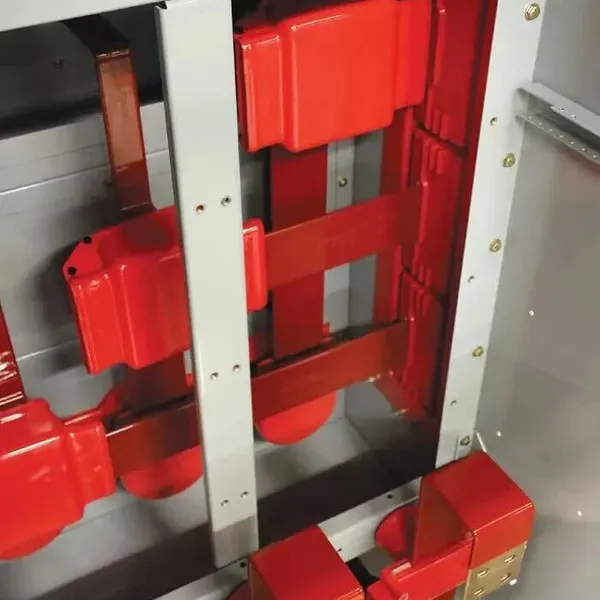 Read More
 -
American standard 38kV metal armored outdoor switchgear
August 31, 2026The power frequency withstand voltage of the 38kV switchgear is 80kV, and the lightning impulse withstand voltage is 150kV. For me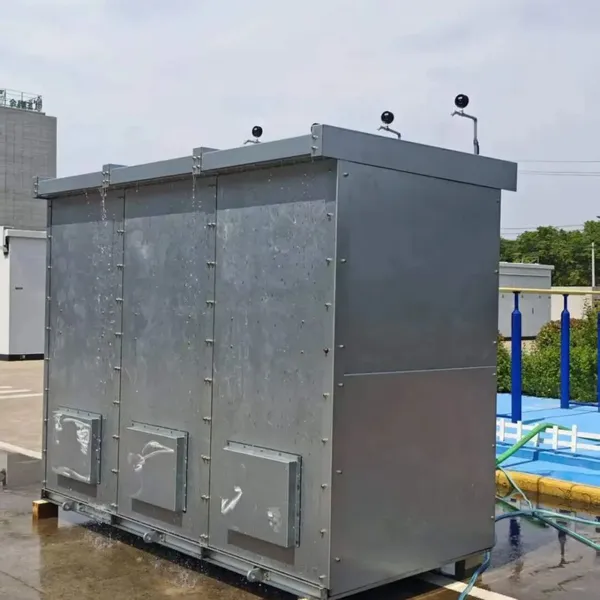 Read More
 -
Transformer Factory Tests: Routine, Type and Special Tests Explained
August 28, 2026An importer once accepted a transformer shipment without reading the test report, only to find the unit failed on site because its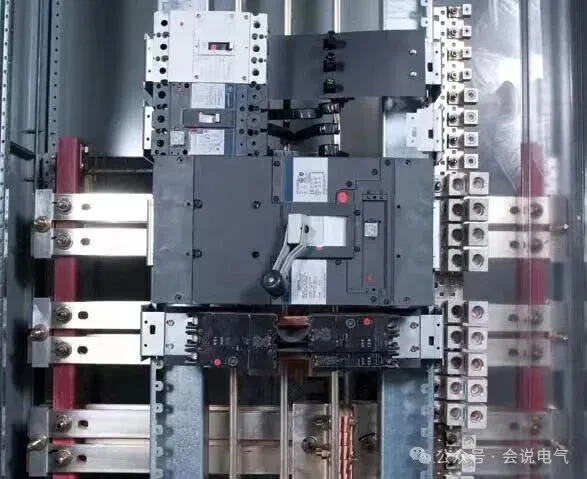 Read More

Contact Us
Recommended Products
-
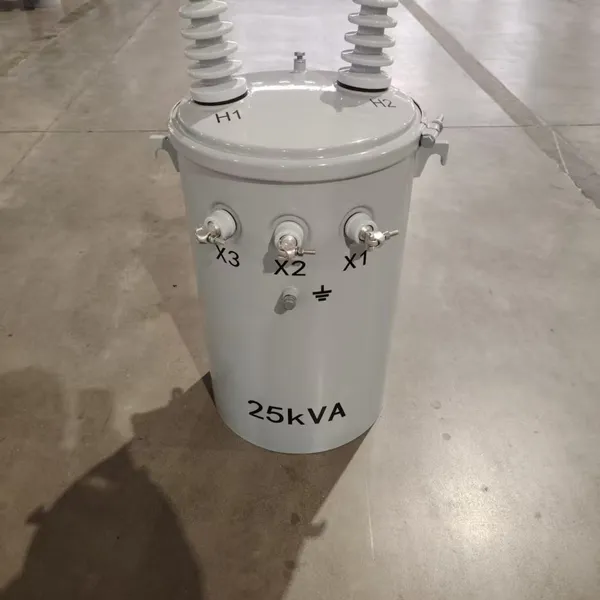
 Single Phase Oil Immersed Transformer 10KVA 15KVA 25KVA 37.5KVA Standard CompliantNegotiableMOQ: 2 Units
 -
Electrical Arc Furnace Transformers up to 120MVA - Certified for Steel Industry ApplicationsUS$ 8000 - 10000MOQ: 1 Unit
-
3-Phase Oil Type Transformer 5-Year Warranty With Load Test ReportUS$ 5428 - 5628MOQ: 1 Unit
-
Three Phase Oil Filled Transformer for Mining Operations Dust-Proof DesignUS$ 5428 - 5628MOQ: 1 Unit
-
HV Three Phase Oil Filled Transformer With ONAN Cooling 500kVA-2500kVAUS$ 5428 - 5628MOQ: 1 Unit
-
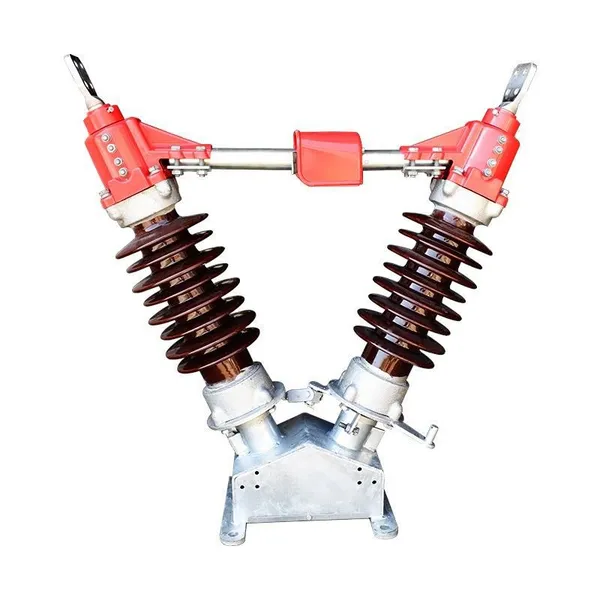
11/24/33KV High Voltage Isolation Switch With Mill Test ReportUS$ 800MOQ: 1 Unit
-
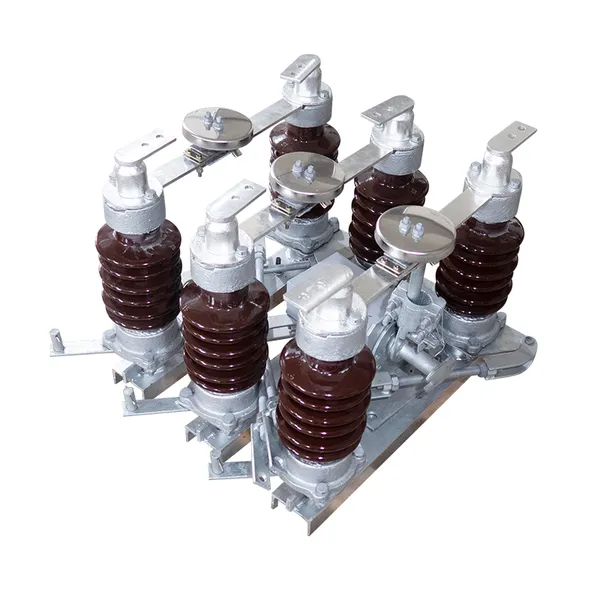
3-Pole Outdoor Isolation Switch With 5-Year Warranty and Compliance TestingUS$ 800MOQ: 1 Unit
-
YH5WZ 3KV-110KV Zinc Oxide Arrester for Power Station Outdoor High Voltage DistributionUS$ 21MOQ: 100 Units
-
Outdoor SF6 Load Break Switch LW30-72.5/1250A 24KV 630A 16KA Three PhaseUS$ 10000MOQ: 1 Unit
-
Input Line Reactor for CNC Machine Frequency Converters, 400V 60HzUS$ 65MOQ: 5 Units
-
Industrial Grade 35-220KV Oil-Immersed Current Transformer for SubstationsUS$ 480 - 500MOQ: 3 Units
-
LZZBJ9-20 Indoor 24kV High Voltage Cabinet Single-Phase 5-20 for Industrial Power SystemsUS$ 250MOQ: 3 Units
-
17.5 KV Full-enclosed Outdoor Epoxy Resin Casting and Double Pole Insulated Voltage TransformerUS$ 90 - 100MOQ: 1 Piece
-
Three Phase 30kVA SVC Voltage Regulator for Textile Manufacturing, Stable OutputUS$ 159MOQ: 10 Units
-
Amorphous Core 25kVA Transformer Compliant With IEC Standards for Power DistributionUS$ 1300 - 2900MOQ: 2 Units
-
CHINT NM8NDC-630 DC 1000V/Ui High-Voltage Circuit Breaker With 630A Frame CurrentUS$ 425 - 625MOQ: 100 Units
-
High Voltage Drop Out Fuse Cutout 33KV 27KV 24KV for Overhead LinesUS$ 35MOQ: 100 Units
-
TVR-10 KVA Automatic Voltage Stabilizer 220V ±0.5% Accuracy for Laboratory InstrumentsUS$ 103 - 123MOQ: 1 Unit
-
Universal 5000VA Voltage Transformer for International Appliances 110V-220VUS$ 102 - 107MOQ: 10 Units
-
500kV Three-Phase Oil-Immersed Auto Transformer 250MVA for Power GridsUS$ 800 - 9000MOQ: 1 Unit