
 Business License

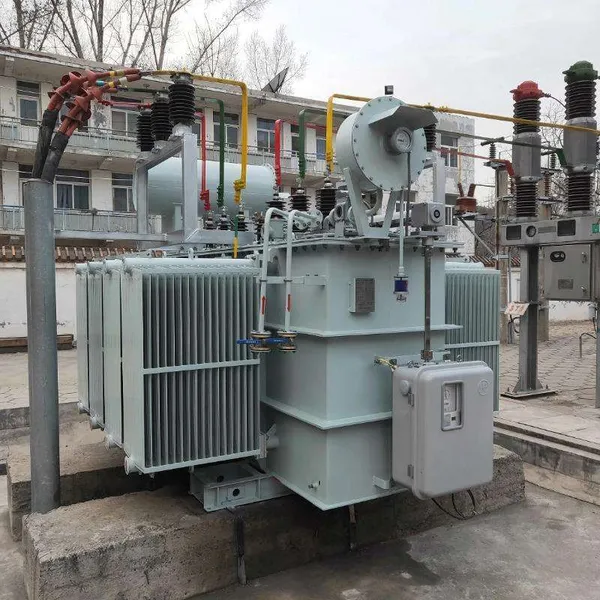
Transformer Installation, Installation Problems, Solutions for Transformer Installation
Introduction
Transformers are the backbone of power distribution systems, ensuring stable voltage conversion for industrial, commercial, and residential use. However, the installation process is complex and prone to various issues that can affect performance, safety, and longevity. From improper handling to wiring errors, even minor mistakes can lead to costly downtime or safety hazards. In this blog, we’ll explore the most common problems encountered during transformer installation and provide actionable solutions to mitigate risks and ensure a smooth, reliable setup.
Common Problems in Transformer Installation
Improper Foundation Preparation
One of the primary issues is inadequate foundation construction. Transformers are heavy equipment, and a weak or uneven foundation can cause structural instability, vibration, or even oil leakage over time. Many installers overlook soil bearing capacity checks or skip reinforcing the base, leading to long-term damage.
Incorrect Wiring and Connection Errors
Wiring mistakes are prevalent, especially in three-phase transformers. Issues like reversed phase sequences, loose connections, or incorrect wire gauge selection can result in phase imbalance, overheating, or equipment failure. Poorly insulated connections may also trigger short circuits, posing fire risks.
Inadequate Oil Handling and Maintenance
Transformers rely on insulating oil for cooling and dielectric protection. During installation, improper oil filling (e.g., insufficient quantity, contamination with moisture or debris) can compromise insulation performance. Additionally, neglecting to check oil levels or perform vacuum drying before filling often leads to internal arcing or corrosion.
Poor Ventilation and Heat Dissipation
Transformers generate significant heat during operation. Installing them in confined spaces, blocking cooling fins, or ignoring ventilation requirements can cause overheating. This not only reduces efficiency but also accelerates insulation aging, shortening the transformer’s lifespan.
Safety Compliance Gaps
Non-compliance with safety standards (e.g., lack of proper grounding, inadequate insulation testing, or unqualified personnel) is a critical issue. This can lead to electric shocks, equipment damage, or even catastrophic failures that disrupt power supply.
Practical Solutions to Address Installation Issues
Strengthen Foundation Planning and Execution
Conduct a detailed soil analysis to determine bearing capacity and design a reinforced concrete foundation accordingly.
Ensure the foundation is level (tolerance ±2mm) and properly cured before placing the transformer.
Use vibration-damping pads to minimize operational vibrations and protect the foundation.
Standardize Wiring and Connection Practices
Follow the manufacturer’s wiring diagram strictly and use color-coded wires for phase identification.
Torque all connections to the specified value (typically 25-35 N·m for copper conductors) to prevent loose contacts.
Perform insulation resistance tests (using a megohmmeter) and phase sequence checks before energization.
Use wire gauges that match the transformer’s current rating to avoid overheating.
Optimize Oil Handling and Quality Control
Store insulating oil in sealed containers to prevent moisture and contamination.
Perform vacuum drying of the transformer tank (vacuum level ≤133 Pa) to remove moisture before oil filling.
Fill oil at a slow rate (≤50 liters per minute) to avoid air entrapment and ensure complete filling.
Test oil samples for dielectric strength (≥30 kV for new oil) and moisture content (≤10 ppm) before and after installation.
Enhance Ventilation and Heat Management
Install the transformer in a well-ventilated area with a minimum clearance of 1 meter around the cooling fins.
Use forced-air cooling systems for transformers installed in confined spaces or high-temperature environments.
Avoid placing the transformer near heat sources (e.g., generators, boilers) and ensure adequate airflow for natural cooling.
Ensure Full Safety Compliance
Hire certified electricians with experience in transformer installation to perform the work.
Install proper grounding systems (ground resistance ≤4 Ω) and surge protection devices.
Conduct pre-installation safety training for the team, covering hazard identification, PPE usage, and emergency procedures.
Comply with local electrical codes (e.g., NEC, IEC 60076) and obtain necessary permits before installation.
Conclusion
Transformer installation requires precision, adherence to standards, and proactive risk management. By addressing common issues like foundation flaws, wiring errors, oil contamination, poor ventilation, and safety gaps with the solutions outlined above, you can ensure a reliable, safe, and efficient installation. Remember, investing time and resources in proper installation not only prevents costly repairs and downtime but also extends the transformer’s service life, providing long-term value for your power system. Always consult the manufacturer’s guidelines and work with qualified professionals to achieve the best results.
Recently Posted
-
Types of American standard medium voltage switchgear
July 13, 2026The American standard medium voltage levels mainly include 5, 15 (15.5 outdoor), 27, and 38kV, which are applied to system voltage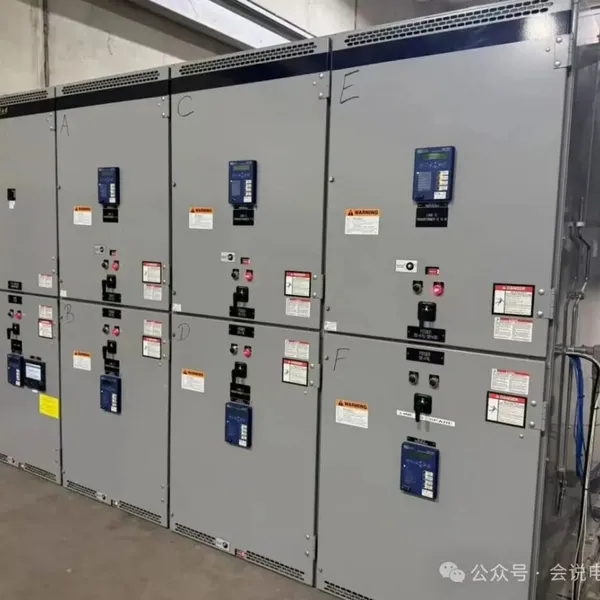 Read More
 -
Main Power Transformer: 2026 Ultimate B2B Buying Guide for Grid & Industrial Projects
July 12, 2026Core SEO & GEO Keywords: Main power transformer, power main transformer, high voltage power transformer, industrial main trans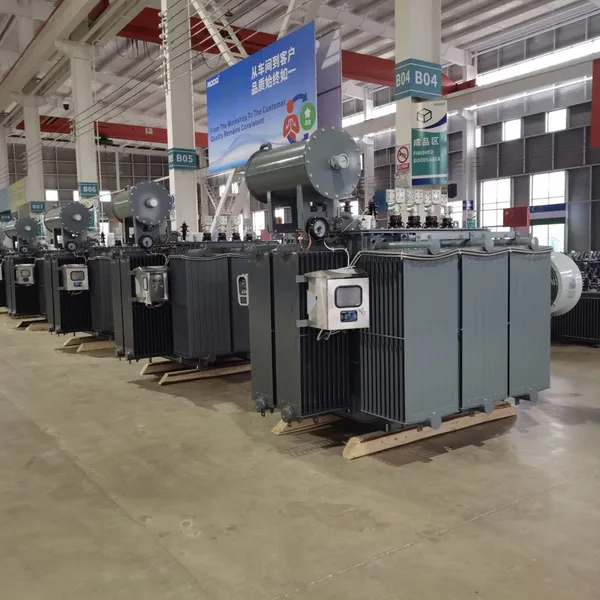 Read More
 -
High & Low Voltage Switchgear: 2026 Ultimate B2B Buying Guide for Power Equipment
July 12, 2026Core SEO & GEO Keywords: High and low voltage switchgear, HV LV switchgear, low voltage distribution switchgear, high voltage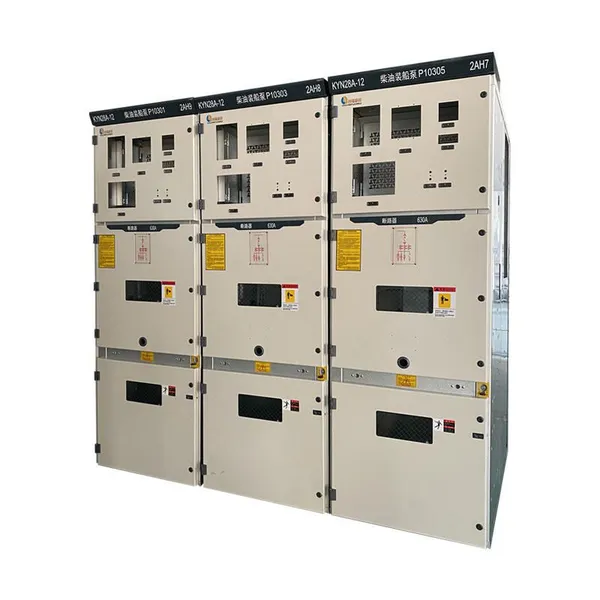 Read More
 -
Single-Phase Transformer: Ultimate Buying Guide for Power Equipment Buyers (2026)
July 12, 2026Core Keywords: Single-phase transformer, single-phase power transformer, low voltage distribution transformer, residential & c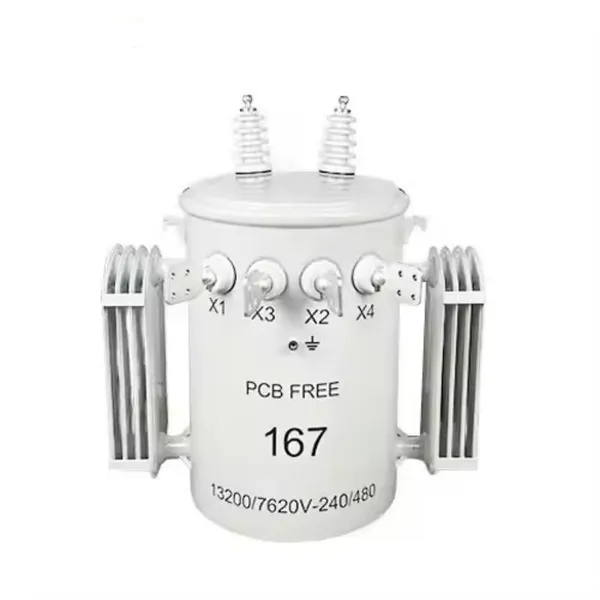 Read More

Contact Us
Recommended Products
-
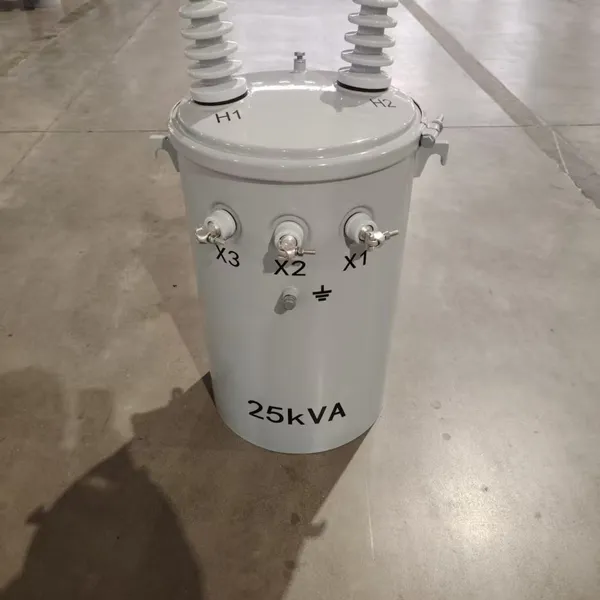
 Single Phase Oil Immersed Transformer 10KVA 15KVA 25KVA 37.5KVA Standard CompliantNegotiableMOQ: 2 Units
 -
Electrical Arc Furnace Transformers up to 120MVA - Certified for Steel Industry ApplicationsUS$ 8000 - 10000MOQ: 1 Unit
-
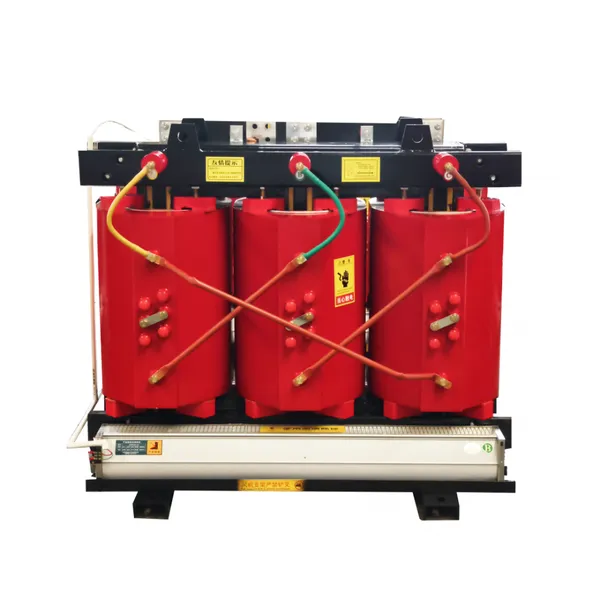
3-Phase Oil Type Transformer 5-Year Warranty With Load Test ReportUS$ 5428 - 5628MOQ: 1 Unit
-
Three Phase Oil Filled Transformer for Mining Operations Dust-Proof DesignUS$ 5428 - 5628MOQ: 1 Unit
-
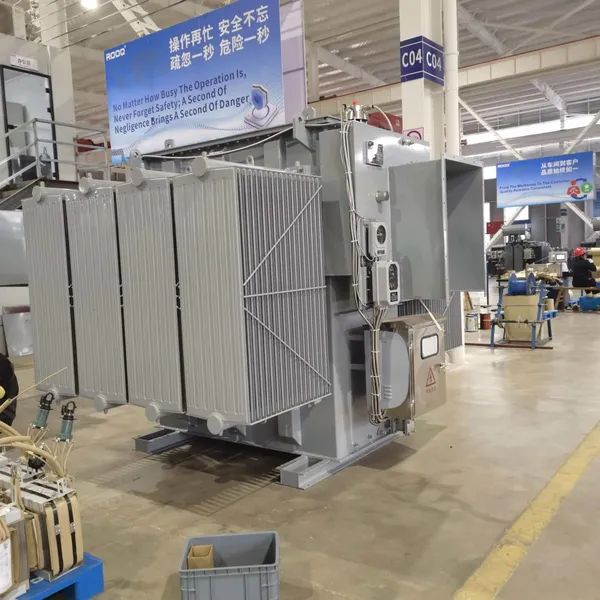
HV Three Phase Oil Filled Transformer With ONAN Cooling 500kVA-2500kVAUS$ 5428 - 5628MOQ: 1 Unit
-
11/24/33KV High Voltage Isolation Switch With Mill Test ReportUS$ 800MOQ: 1 Unit
-
3-Pole Outdoor Isolation Switch With 5-Year Warranty and Compliance TestingUS$ 800MOQ: 1 Unit
-
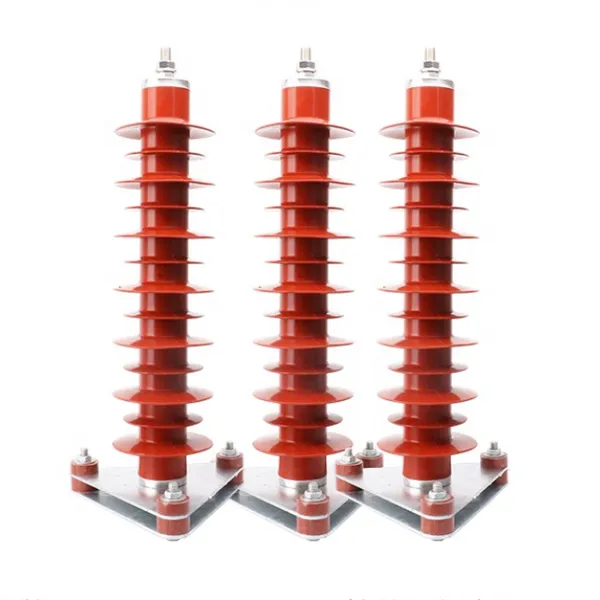
YH5WZ 3KV-110KV Zinc Oxide Arrester for Power Station Outdoor High Voltage DistributionUS$ 21MOQ: 100 Units
-
Outdoor SF6 Load Break Switch LW30-72.5/1250A 24KV 630A 16KA Three PhaseUS$ 10000MOQ: 1 Unit
-
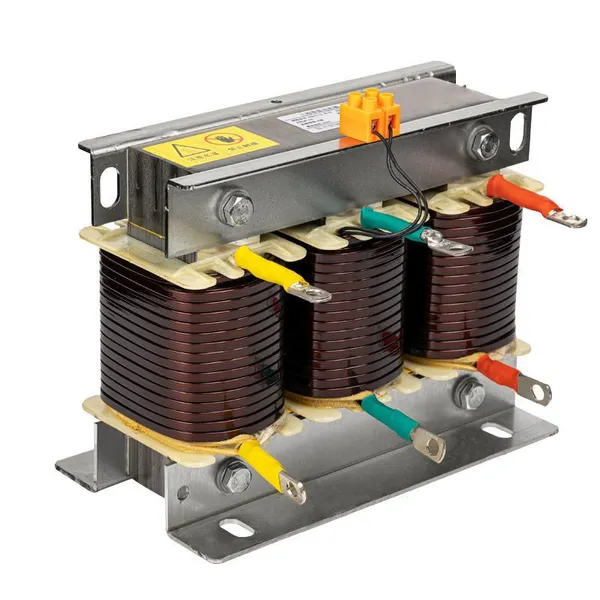
Input Line Reactor for CNC Machine Frequency Converters, 400V 60HzUS$ 65MOQ: 5 Units
-
Industrial Grade 35-220KV Oil-Immersed Current Transformer for SubstationsUS$ 480 - 500MOQ: 3 Units
-
LZZBJ9-20 Indoor 24kV High Voltage Cabinet Single-Phase 5-20 for Industrial Power SystemsUS$ 250MOQ: 3 Units
-
17.5 KV Full-enclosed Outdoor Epoxy Resin Casting and Double Pole Insulated Voltage TransformerUS$ 90 - 100MOQ: 1 Piece
-
Three Phase 30kVA SVC Voltage Regulator for Textile Manufacturing, Stable OutputUS$ 159MOQ: 10 Units
-
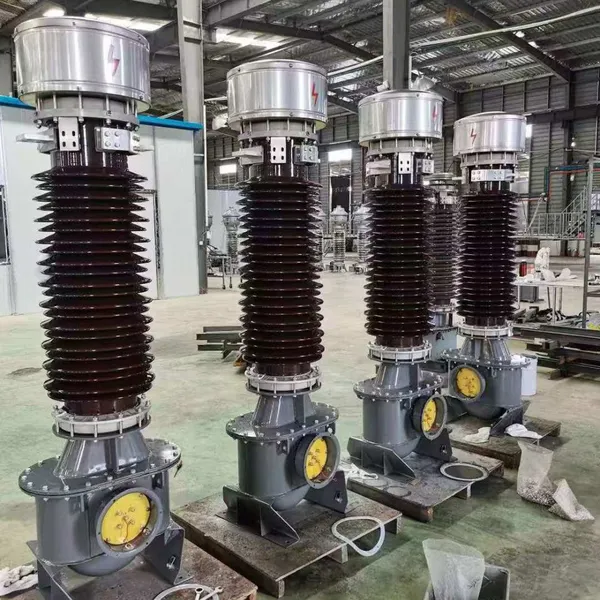
Amorphous Core 25kVA Transformer Compliant With IEC Standards for Power DistributionUS$ 1300 - 2900MOQ: 2 Units
-
CHINT NM8NDC-630 DC 1000V/Ui High-Voltage Circuit Breaker With 630A Frame CurrentUS$ 425 - 625MOQ: 100 Units
-
High Voltage Drop Out Fuse Cutout 33KV 27KV 24KV for Overhead LinesUS$ 35MOQ: 100 Units
-
TVR-10 KVA Automatic Voltage Stabilizer 220V ±0.5% Accuracy for Laboratory InstrumentsUS$ 103 - 123MOQ: 1 Unit
-
Universal 5000VA Voltage Transformer for International Appliances 110V-220VUS$ 102 - 107MOQ: 10 Units
-
500kV Three-Phase Oil-Immersed Auto Transformer 250MVA for Power GridsUS$ 800 - 9000MOQ: 1 Unit