
 Business License

Voltage level of foreign projects
I recently read the technical specifications for an overseas project switchgear, which is a standard ANSI C37.20.2 metal armored switchgear. The system voltage is 13.2kV, the minimum rated voltage is 17.5kV, the rated power frequency withstand voltage is 50kV, and the rated lightning impulse withstand voltage is 125kV.
According to the 37.20.2 standard, there is no voltage level of 17.5kV, only 15/27/38kV. Generally speaking, the rated voltage of the switchgear corresponding to the North American system voltage of 13.8kV is 15kV. It is unclear why the minimum rated voltage of 17.5kV is defined. The specification does not specify the use of altitude. If considering high-altitude capacity reduction, such as 3000 meters, with an altitude correction factor of 1.28, then a higher level of 27kV is required, which corresponds to a 60kV power frequency withstand voltage and a lightning impulse withstand voltage of 125kV.
Perhaps I am ignorant and unaware of its specific application scenarios. My personal guess may be that there is no IEC 17.5kV voltage level switchgear corresponding to 13.2kV in China, so 24kV is commonly used as a substitute. According to the IEC 62271-1 standard, the corresponding power frequency withstand voltage is 50kV, and the lightning impulse withstand voltage is 125kV, which barely makes sense.
In my personal opinion, if the switchgear needs to meet the American standard C37.20.2, it should be strictly executed according to the standard parameters, rather than being inconsistent and creating a technical specification. If 13.2kV corresponds to 15kV, the power frequency withstand voltage is 36kV, and the lightning impulse withstand voltage is 95kV. If it is used at high altitude, the altitude should be specified, and if 27kV is really needed, it should be specified according to the insulation voltage level of 27kV.
The specification also requires the installation of a grounding switch. The C37.20.2 standard metal armored switchgear does not use a grounding switch, but instead uses a C37.20.6 standard G&T handcart as the grounding device. Therefore, compliance with the standard is very important.
For overseas projects, the voltage, current, frequency, and other parameters used vary around the world, so it is important to determine which equipment to use for different parameters. Both excessive voltage should not be used to cover low voltage, and insufficient voltage should not be used.
As is well known, the power system has a nominal system voltage. Considering the voltage drop on the line, the voltage at the outlet of the transformer is generally higher to ensure that the terminal voltage meets the standard requirements.
The system voltage is 10kV, 20kV, 35kV. For switchgear, its rated voltage is the highest voltage, which means that when applied to a 10kV power system, the rated voltage of the switchgear is 12kV. Similarly, the rated voltage of the switchgear corresponding to 35kV is 40.5kV.
The above is the voltage of the domestic medium voltage power system and the voltage of the switchgear according to the GB/T11022 standard. Due to various reasons such as historical inheritance, the voltage levels of 2.3/2.46/4.16/12.47/13.2/13.8 in foreign power systems are diverse. Therefore, for foreign projects, it is necessary to first clarify whether it is system voltage or equipment voltage.
The typical system voltage and rated voltage of the switchgear for application are shown in the table below. If the system voltage in Saudi Arabia is 13.8kV, the required power frequency withstand voltage is 36kV, and the lightning impulse withstand voltage is 95kV. According to the technical specifications of Saudi State Grid, the rated voltage for switchgear is 17.5kV, and for other equipment, the voltage can be 15kV as specified in the document.
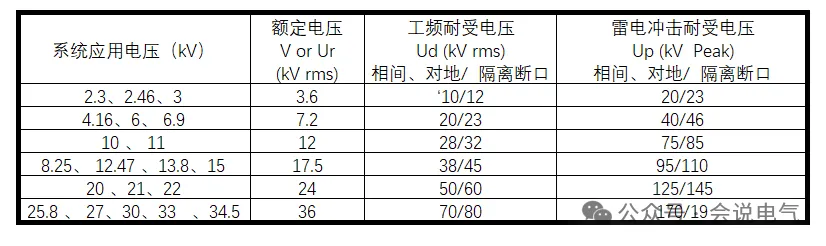
IEC62271-1 has two tables for the rated voltage of switchgear, sequence one and sequence two. Sequence one is the voltage level mainly used around the world, while sequence two is the voltage used in other regions such as North America.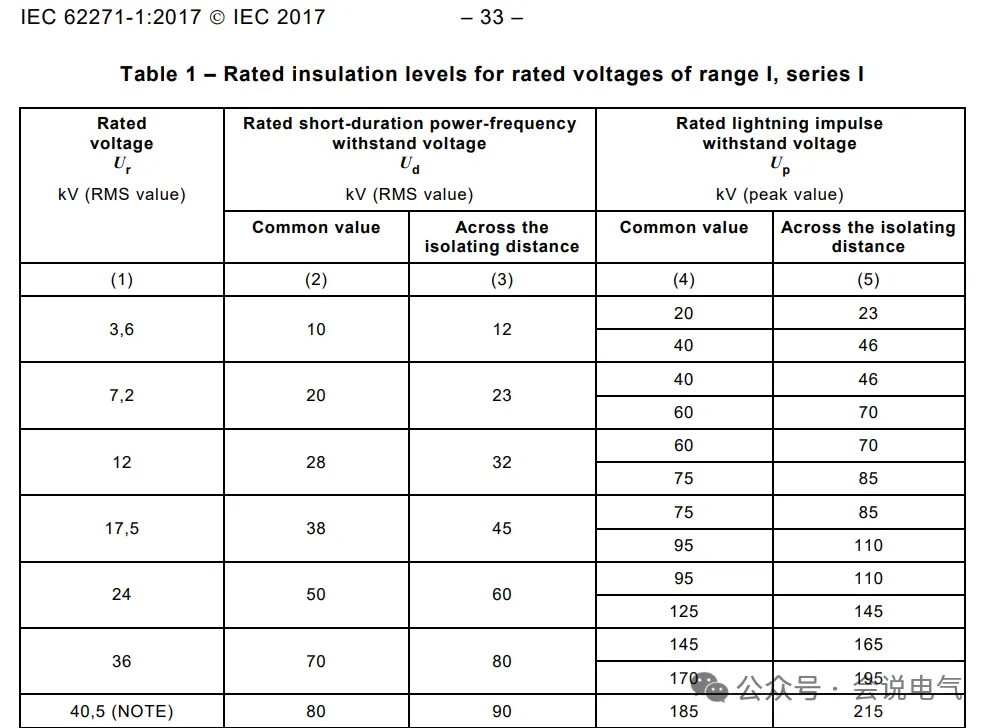
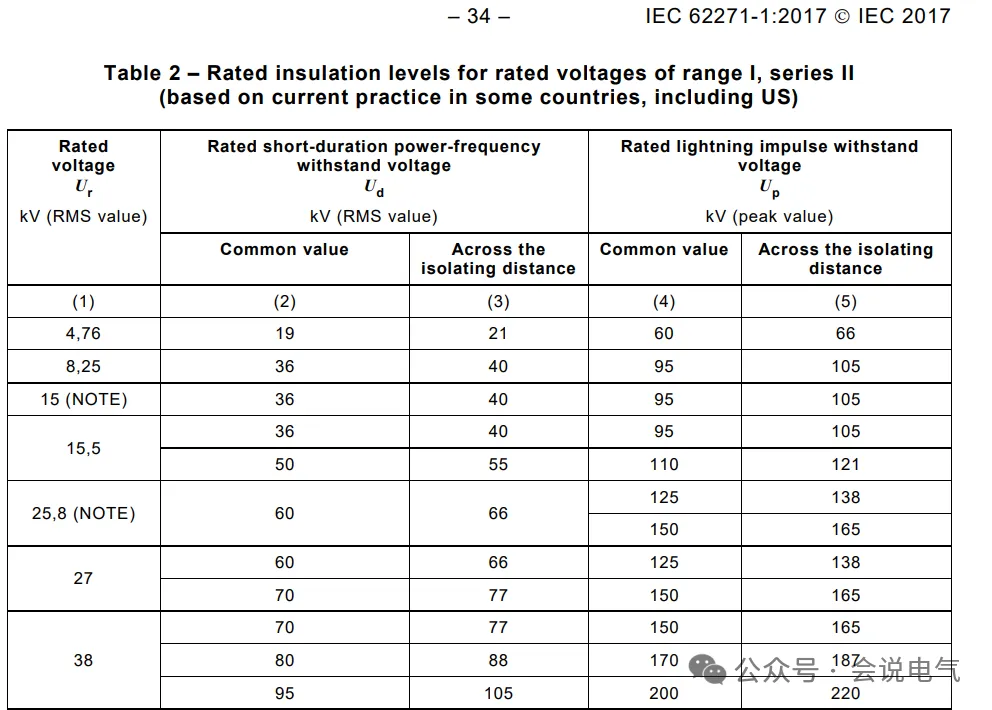
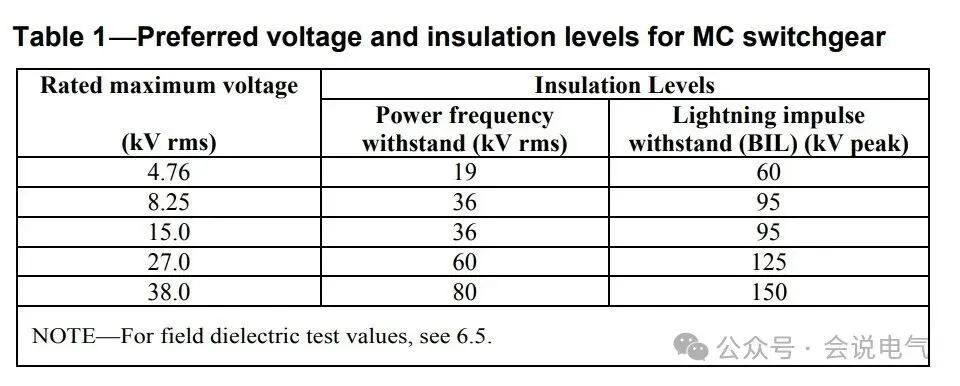
The determination of voltage level requires consideration of insulation voltage requirements. For example, 8.25kV is the voltage level in the Americas, and the corresponding insulation withstand voltage is the same as 15kV, that is, the power frequency withstand voltage is 38kV and the lightning impulse withstand voltage is 95kV. Therefore, using 12kV power frequency withstand voltage of 28/32kV and lightning impulse withstand voltage of 75/85kV does not meet the requirements, and a voltage level of 17.5kV is needed to meet the insulation withstand voltage requirements of American standard 8.25kV.
IEEE C37.20.2 American standard armor, IEEE C37.20.3 American standard enclosed switchgear rated voltage and insulation voltage.
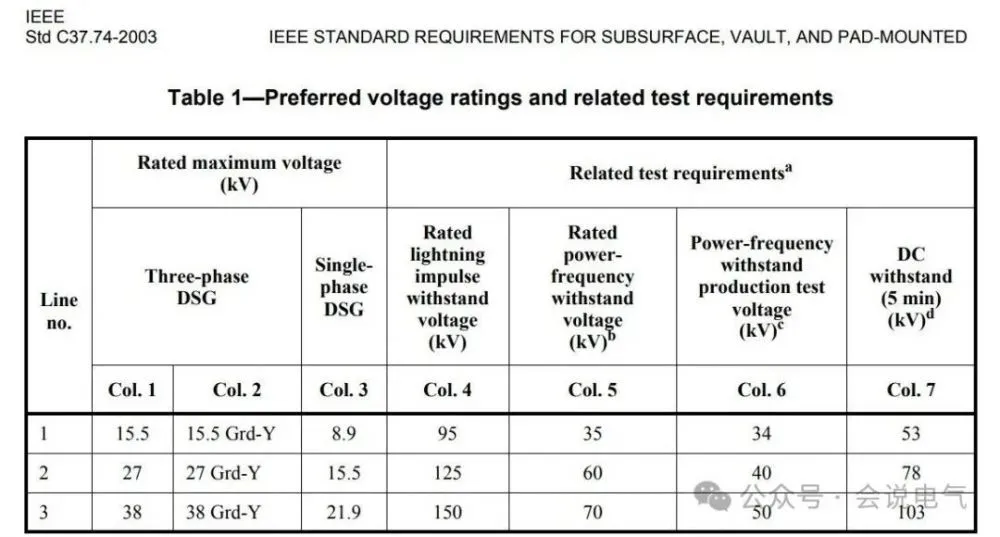
For outdoor distribution switchgear, the American standard C37.74 defines voltage, with a rated voltage of 15.5kV and a lightning impulse withstand voltage of 95kV.
Recently Posted
-
The relationship between busbar shape, current carrying capacity, and heat generation
September 2, 2026Principles for selecting busbar specifications for low-voltage switchgear1) Due to the low insulation voltage, the clear distance Read More
 -
Design of American standard medium voltage switchgear
September 2, 2026Product development requires a solid and serious approach. Firstly, the customer's demand is for authentic American standard a Read More
 -
Jinhua Dika Electrical Equipment: Manufacturing Transformers and Switchgear in Zhejiang, China
August 31, 2026When a buyer starts looking for a transformer or a complete switchgear set, the hardest part is often not the specification. It is Read More
 -
Environmentally friendly gas insulated 40.5kV switchgear
August 31, 2026There are two types of 40.5kV environmentally friendly gas insulated switchgear: one is used for ring network power supply, with l
Read More

Contact Us
Recommended Products
-
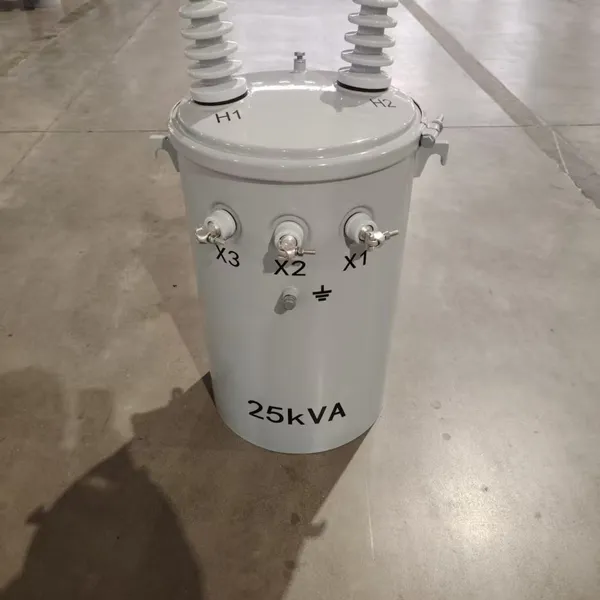
 Single Phase Oil Immersed Transformer 10KVA 15KVA 25KVA 37.5KVA Standard CompliantNegotiableMOQ: 2 Units
 -
Electrical Arc Furnace Transformers up to 120MVA - Certified for Steel Industry ApplicationsUS$ 8000 - 10000MOQ: 1 Unit
-
3-Phase Oil Type Transformer 5-Year Warranty With Load Test ReportUS$ 5428 - 5628MOQ: 1 Unit
-
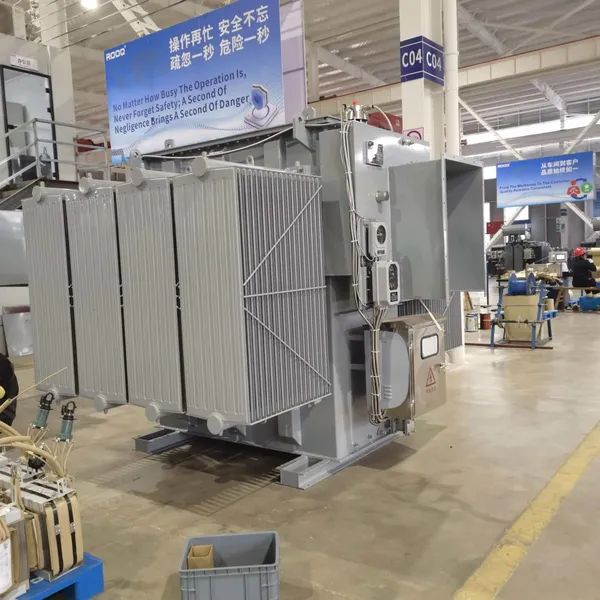
Three Phase Oil Filled Transformer for Mining Operations Dust-Proof DesignUS$ 5428 - 5628MOQ: 1 Unit
-
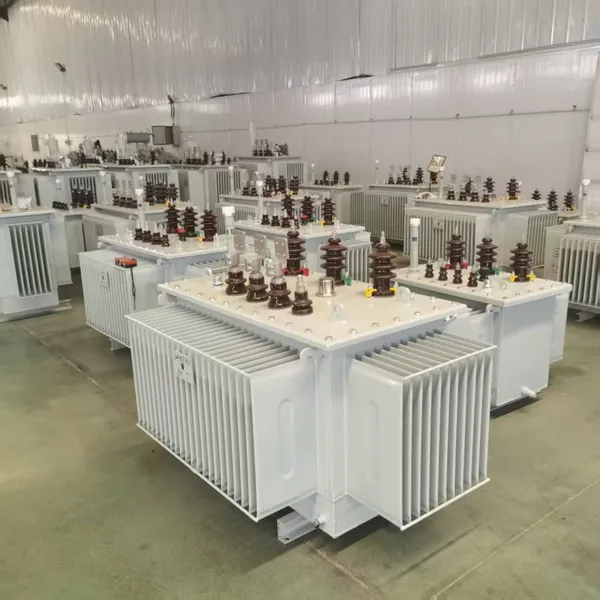
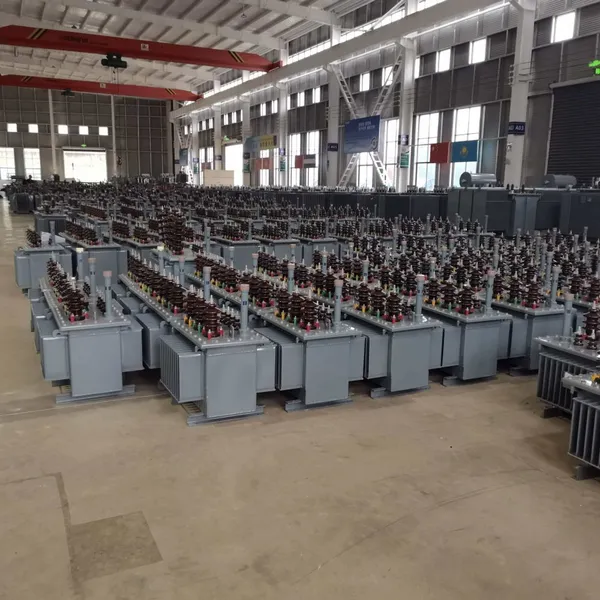
HV Three Phase Oil Filled Transformer With ONAN Cooling 500kVA-2500kVAUS$ 5428 - 5628MOQ: 1 Unit
-
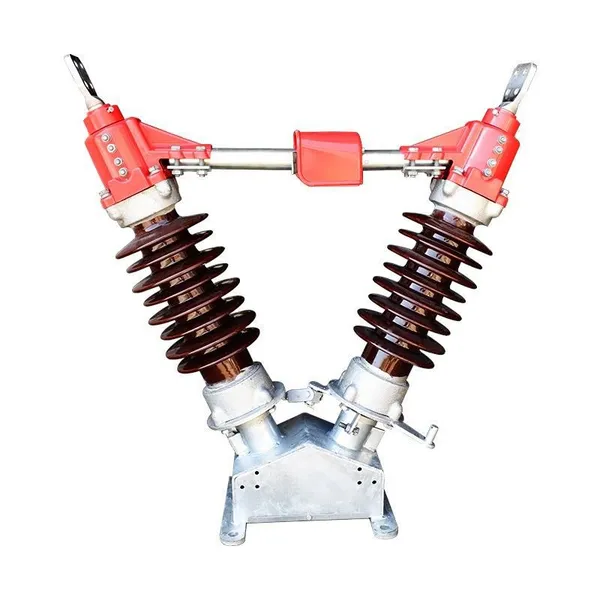
11/24/33KV High Voltage Isolation Switch With Mill Test ReportUS$ 800MOQ: 1 Unit
-
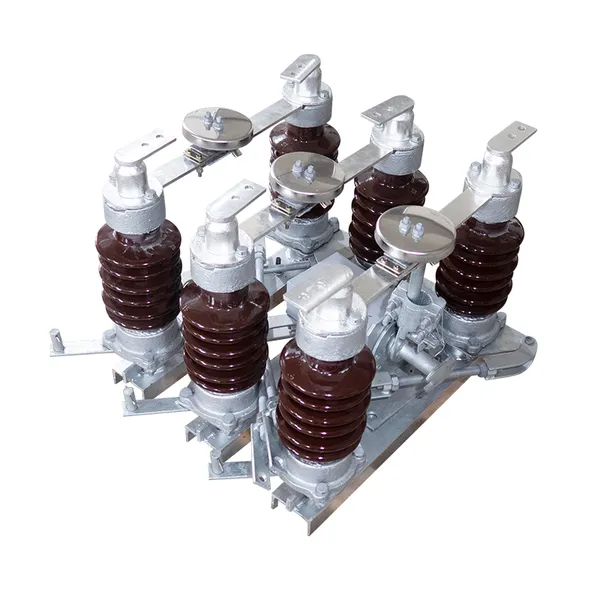
3-Pole Outdoor Isolation Switch With 5-Year Warranty and Compliance TestingUS$ 800MOQ: 1 Unit
-
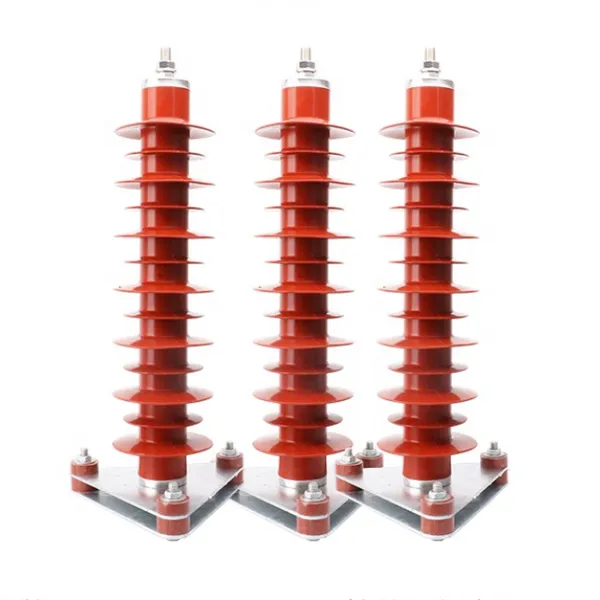
YH5WZ 3KV-110KV Zinc Oxide Arrester for Power Station Outdoor High Voltage DistributionUS$ 21MOQ: 100 Units
-
Outdoor SF6 Load Break Switch LW30-72.5/1250A 24KV 630A 16KA Three PhaseUS$ 10000MOQ: 1 Unit
-
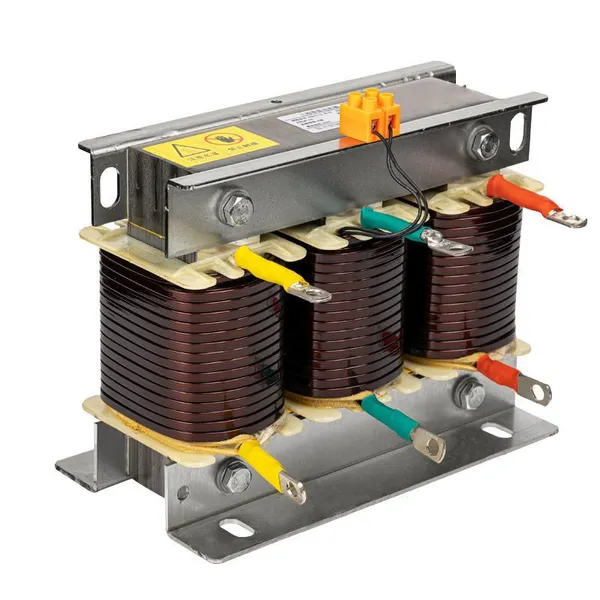
Input Line Reactor for CNC Machine Frequency Converters, 400V 60HzUS$ 65MOQ: 5 Units
-
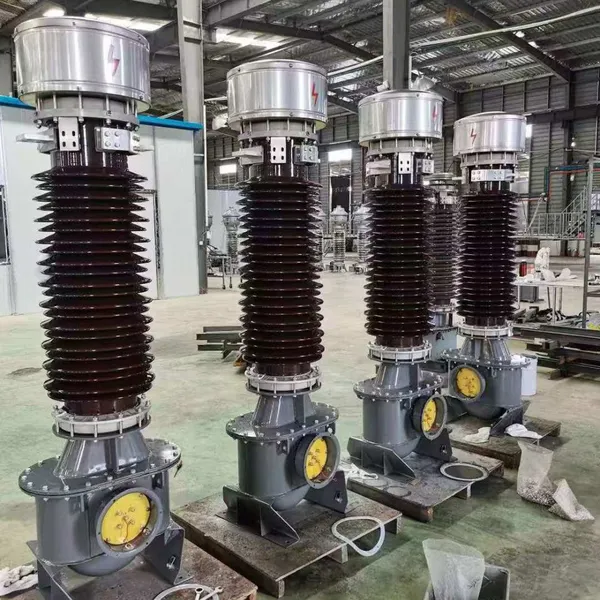
Industrial Grade 35-220KV Oil-Immersed Current Transformer for SubstationsUS$ 480 - 500MOQ: 3 Units
-
LZZBJ9-20 Indoor 24kV High Voltage Cabinet Single-Phase 5-20 for Industrial Power SystemsUS$ 250MOQ: 3 Units
-
17.5 KV Full-enclosed Outdoor Epoxy Resin Casting and Double Pole Insulated Voltage TransformerUS$ 90 - 100MOQ: 1 Piece
-
Three Phase 30kVA SVC Voltage Regulator for Textile Manufacturing, Stable OutputUS$ 159MOQ: 10 Units
-
Amorphous Core 25kVA Transformer Compliant With IEC Standards for Power DistributionUS$ 1300 - 2900MOQ: 2 Units
-
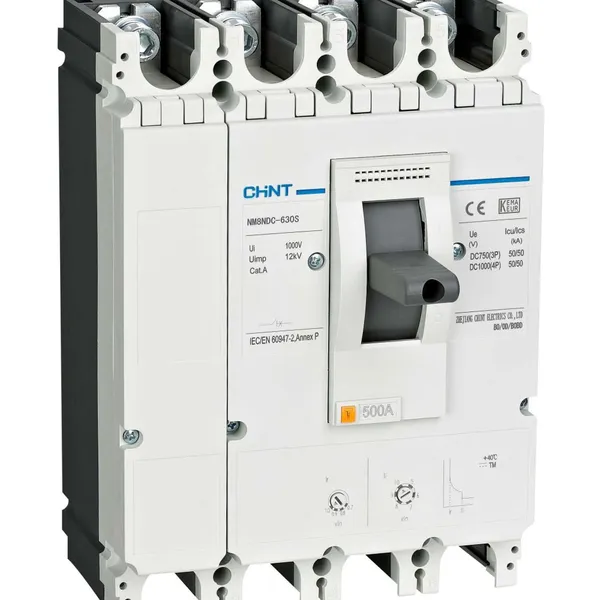
CHINT NM8NDC-630 DC 1000V/Ui High-Voltage Circuit Breaker With 630A Frame CurrentUS$ 425 - 625MOQ: 100 Units
-
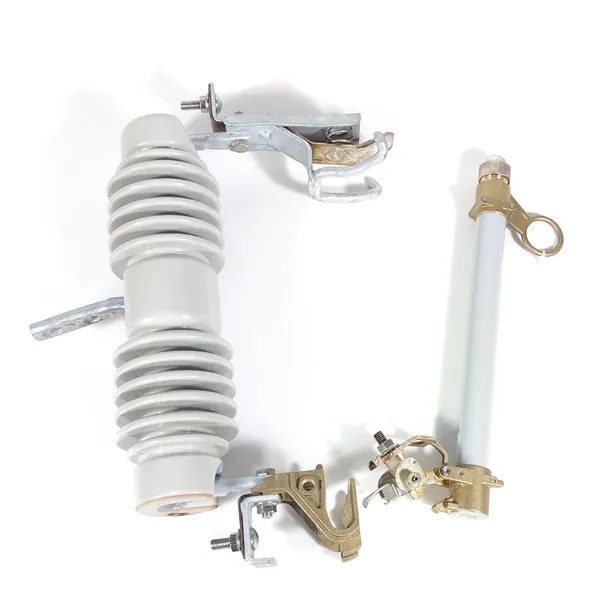
High Voltage Drop Out Fuse Cutout 33KV 27KV 24KV for Overhead LinesUS$ 35MOQ: 100 Units
-
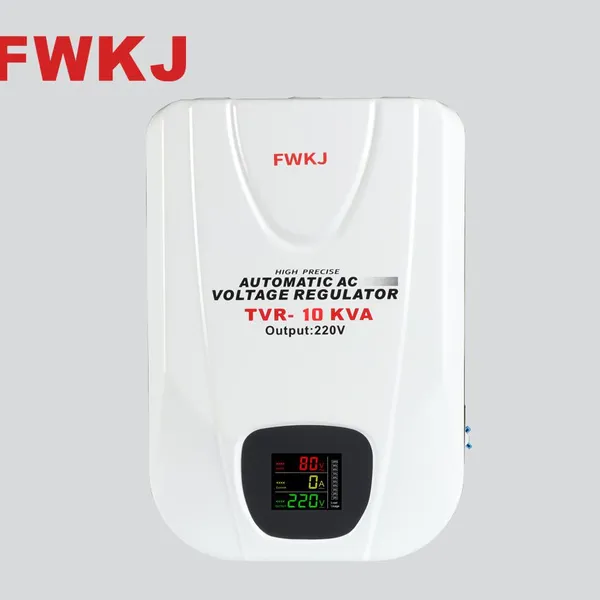
TVR-10 KVA Automatic Voltage Stabilizer 220V ±0.5% Accuracy for Laboratory InstrumentsUS$ 103 - 123MOQ: 1 Unit
-
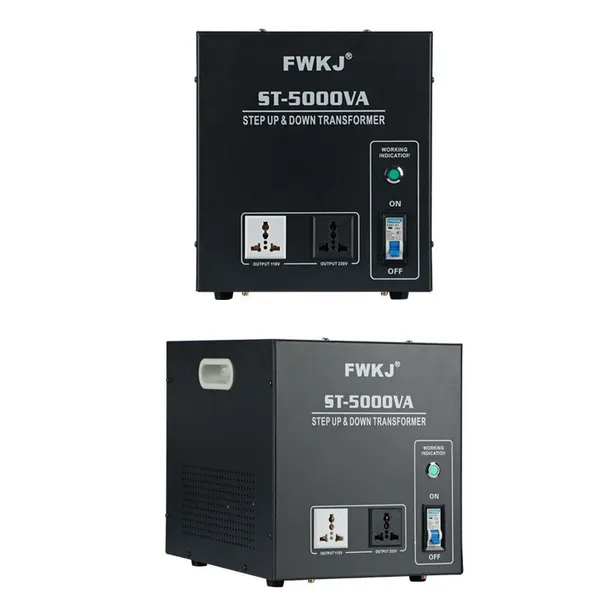
Universal 5000VA Voltage Transformer for International Appliances 110V-220VUS$ 102 - 107MOQ: 10 Units
-
500kV Three-Phase Oil-Immersed Auto Transformer 250MVA for Power GridsUS$ 800 - 9000MOQ: 1 Unit