
 Business License

Copper Bar Design - Summary Chapter
The design of copper bars in switchgear is a systematic project, and it cannot be simply said that the selection of copper bars based on their current carrying capacity is always appropriate, or that the temperature rise exceeds the standard, or that the margin is large. This is because the copper bars are located inside the switchgear, taking into account the heating power and position of the internal components, the surrounding environment, the effective heat dissipation area on the exterior surface of the cabinet, the area and path of ventilation holes, and so on.
The temperature rise of the switchgear generally does not exceed the standard at all temperature measurement points such as the busbar and connections, unless the cross-sectional area of the copper busbar is far from sufficient. Generally, it is at a certain point or points in the local area, such as the location of the plum blossom contact in the central cabinet, which is a difficult to control high temperature rise point.
Generally speaking, the temperature rise of the switchgear is caused by the components, while copper bars generally do not. Simply select the cross-sectional area according to the specifications and there will be no difference. Calculate by using the formula for calculating the air current carrying capacity of a single busbar.
In the formula, A is the surface area of the busbar heat dissipation (m2), R is the resistance, and the resistance is inversely proportional to the cross-sectional area of the busbar. It can be seen that a larger cross-sectional area and a larger surface area will reduce the temperature rise. If both have a cross-sectional area of 1000mm2, the surface circumference of 10 × 100mm is 220mm, while the surface circumference of 5 × 200mm is 410mm. A circular tube with a diameter of 80mm and a wall thickness of 4mm is used, and the inner and outer surface circumferences of 477mm are higher due to the reduced skin effect coefficient, resulting in a higher current carrying capacity.
The same principle applies to special-shaped busbars, which can also increase their strength, especially aluminum special-shaped busbars.
Regarding the overlapping area of fixed connections, the area generally does not need to be too large, and the overlapping length is 5 times the thickness to fully meet the requirements. The key is the contact pressure and quantity of the connecting bolts. Therefore, M10/M12 bolts are generally used, with bolt spacing of around 25mm for M10 and 30mm for M12. This is because the outer diameter of the gasket is 20mm for M10 and 24mm for M12, leaving a 5mm gap between the gaskets can meet the pressure coverage range of the gasket and achieve maximum connection efficiency.
The core of temperature rise is to solve the problem of excessive local temperature rise, such as the high heating of the circuit breaker itself, whether it is the low-voltage frame or the contacts of the vacuum circuit breaker, which are the parts with high heating, and poor heat dissipation conditions leading to excessive temperature rise.
It is difficult for us to control the high temperature rise of components, so it is very important to choose high-quality circuit breakers. When encountering circuit breakers with high heat generation and poor quality, even if measures such as increasing copper bars and ventilation are taken to reduce the temperature rise, it is still very difficult. There are also pull-out contacts, and the heating is determined by the contact pressure, biting condition, and contact surface, so it is necessary to control the heating of these key points.
The key to solving the problem of temperature rise is to reduce high incidence hotspots through effective measures, such as using cross flow fans to blow against the contacts to reduce temperature rise, or using high thermal conductivity insulation components, insulation heat pipes, phase change radiators, etc. to bring heat to the surface of the cabinet for heat dissipation. These are all developed based on this goal.
Solving temperature rise is a systematic project that also requires consideration of insulation and other issues. It cannot simply rely on a copper bar selection table to solve all temperature rise problems. However, with the high price of copper bars today, the scientific reduction of copper bar usage to reduce costs and increase efficiency, or the realization of high current applications to meet the demand for new energy, all require scientific and technological support.
Recently Posted
-
Transformer Factory Tests: Routine, Type and Special Tests Explained
August 28, 2026An importer once accepted a transformer shipment without reading the test report, only to find the unit failed on site because its Read More
 -
UL891 distribution panel
August 28, 2026Switchgear and separately separated distribution panels require a rear channel for connecting incoming and outgoing feeder cables.
Read More -
Oil-Immersed Transformers for Solar PV Power Plants
August 27, 2026A solar developer once watched a new plant lose several weeks of generation because the transformer feeding the grid connection fa Read More
 -
Dry-Type vs Oil-Immersed Transformer: How to Choose
August 26, 2026A facilities engineer once had to shut down a hospital wing because the transformer serving it leaked oil onto the floor below. Th Read More

Contact Us
Recommended Products
-
 Single Phase Oil Immersed Transformer 10KVA 15KVA 25KVA 37.5KVA Standard CompliantNegotiableMOQ: 2 Units
 -
Electrical Arc Furnace Transformers up to 120MVA - Certified for Steel Industry ApplicationsUS$ 8000 - 10000MOQ: 1 Unit
-
3-Phase Oil Type Transformer 5-Year Warranty With Load Test ReportUS$ 5428 - 5628MOQ: 1 Unit
-
Three Phase Oil Filled Transformer for Mining Operations Dust-Proof DesignUS$ 5428 - 5628MOQ: 1 Unit
-
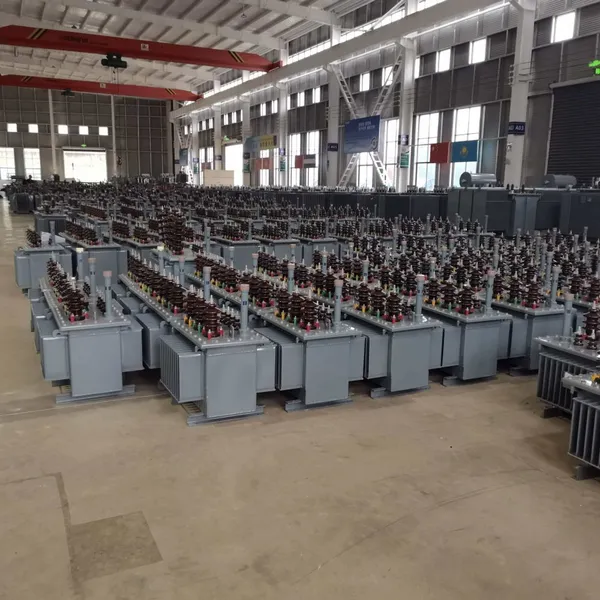
HV Three Phase Oil Filled Transformer With ONAN Cooling 500kVA-2500kVAUS$ 5428 - 5628MOQ: 1 Unit
-
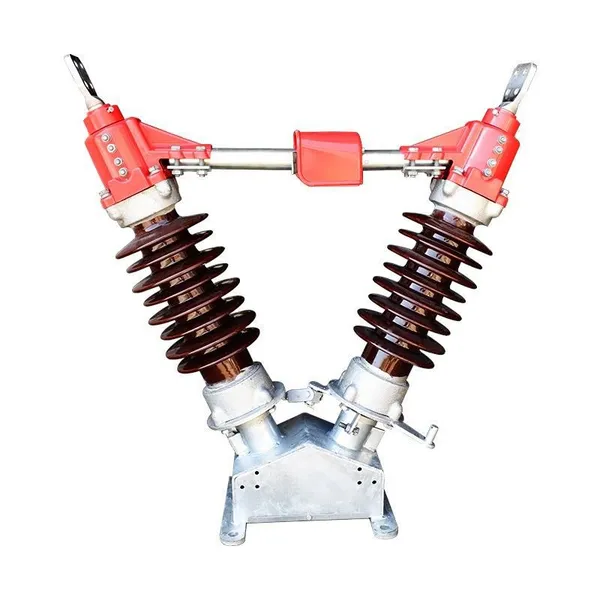
11/24/33KV High Voltage Isolation Switch With Mill Test ReportUS$ 800MOQ: 1 Unit
-
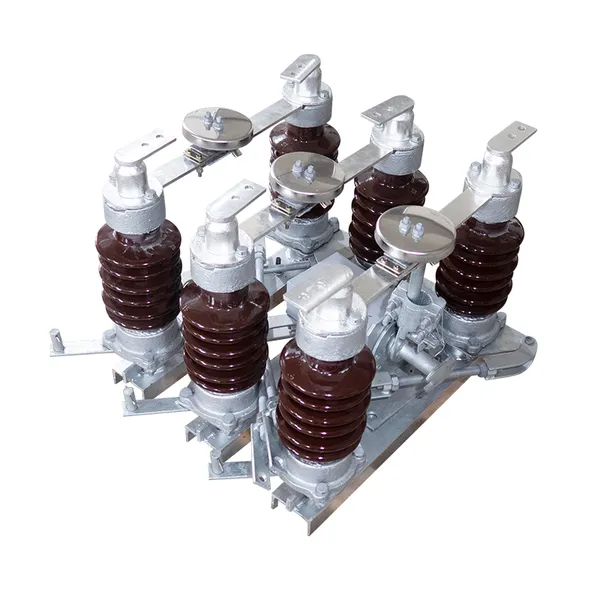
3-Pole Outdoor Isolation Switch With 5-Year Warranty and Compliance TestingUS$ 800MOQ: 1 Unit
-
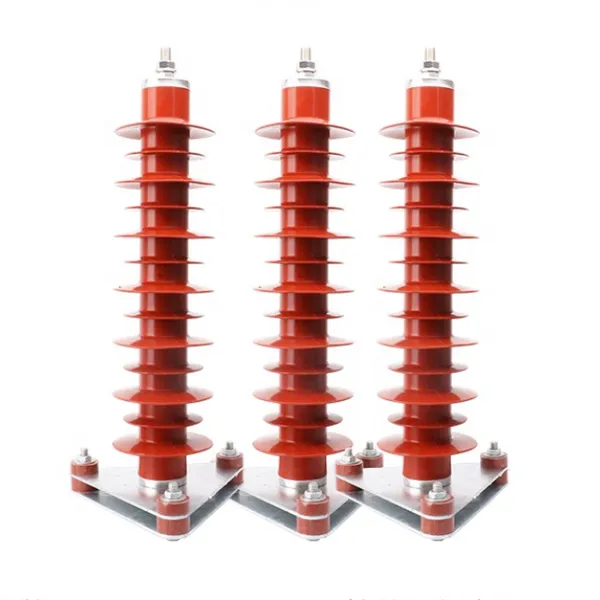
YH5WZ 3KV-110KV Zinc Oxide Arrester for Power Station Outdoor High Voltage DistributionUS$ 21MOQ: 100 Units
-
Outdoor SF6 Load Break Switch LW30-72.5/1250A 24KV 630A 16KA Three PhaseUS$ 10000MOQ: 1 Unit
-
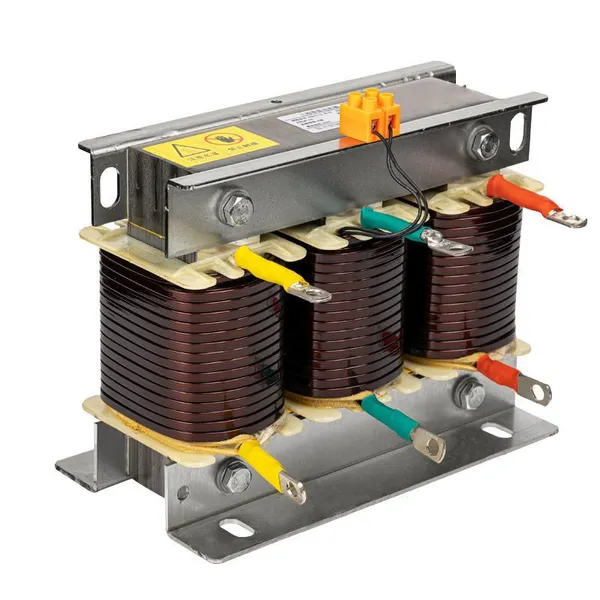
Input Line Reactor for CNC Machine Frequency Converters, 400V 60HzUS$ 65MOQ: 5 Units
-
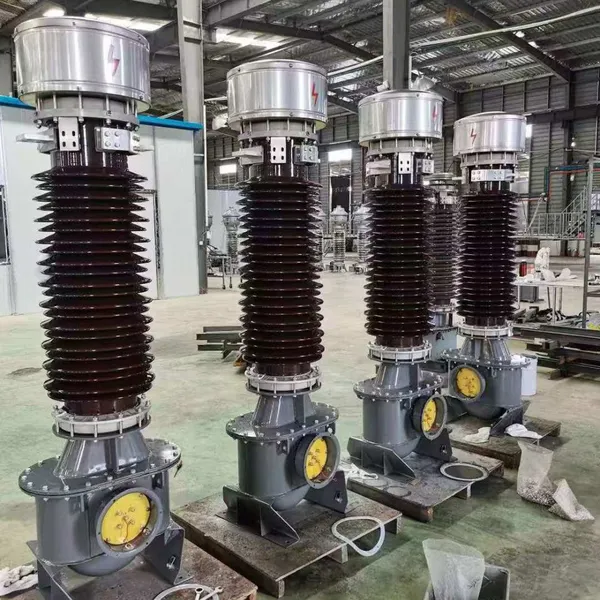
Industrial Grade 35-220KV Oil-Immersed Current Transformer for SubstationsUS$ 480 - 500MOQ: 3 Units
-
LZZBJ9-20 Indoor 24kV High Voltage Cabinet Single-Phase 5-20 for Industrial Power SystemsUS$ 250MOQ: 3 Units
-
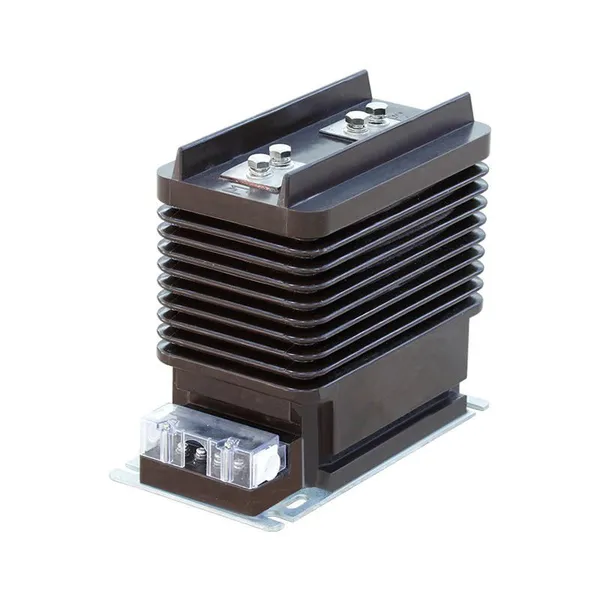
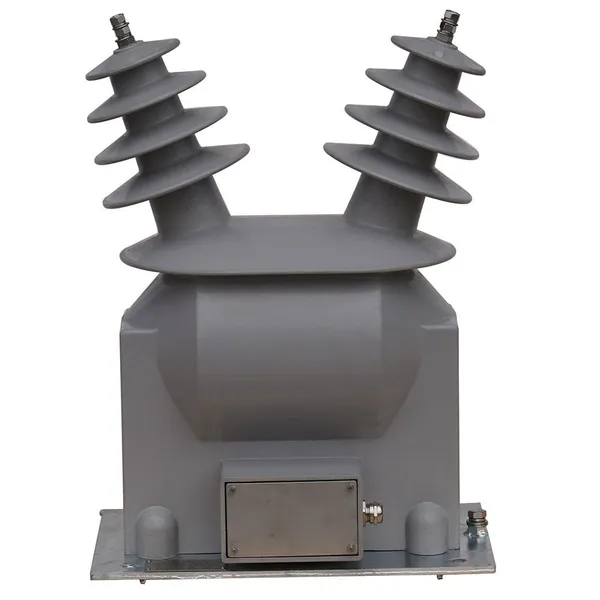
17.5 KV Full-enclosed Outdoor Epoxy Resin Casting and Double Pole Insulated Voltage TransformerUS$ 90 - 100MOQ: 1 Piece
-
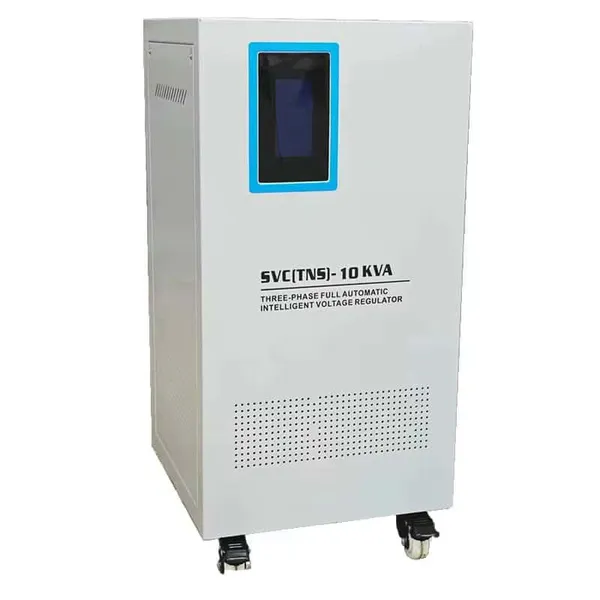
Three Phase 30kVA SVC Voltage Regulator for Textile Manufacturing, Stable OutputUS$ 159MOQ: 10 Units
-
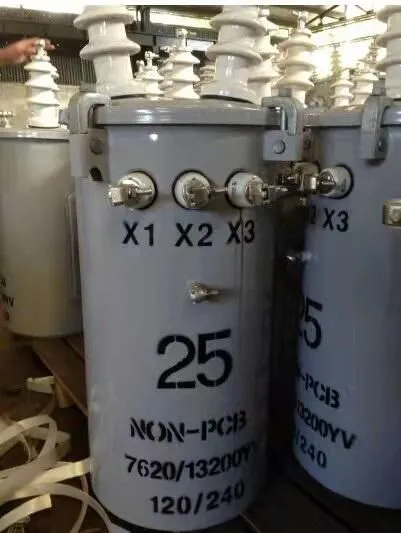
Amorphous Core 25kVA Transformer Compliant With IEC Standards for Power DistributionUS$ 1300 - 2900MOQ: 2 Units
-
CHINT NM8NDC-630 DC 1000V/Ui High-Voltage Circuit Breaker With 630A Frame CurrentUS$ 425 - 625MOQ: 100 Units
-
High Voltage Drop Out Fuse Cutout 33KV 27KV 24KV for Overhead LinesUS$ 35MOQ: 100 Units
-
TVR-10 KVA Automatic Voltage Stabilizer 220V ±0.5% Accuracy for Laboratory InstrumentsUS$ 103 - 123MOQ: 1 Unit
-
Universal 5000VA Voltage Transformer for International Appliances 110V-220VUS$ 102 - 107MOQ: 10 Units
-
500kV Three-Phase Oil-Immersed Auto Transformer 250MVA for Power GridsUS$ 800 - 9000MOQ: 1 Unit