
 Business License

Structural Design of Medium Voltage Switchgear
Structural Design of Medium Voltage Switchgear
Basic requirements, should know and be able to:
Insulation distance, including electrical clearance and creepage distance
Insulation is the most basic requirement, and in domestic projects, according to national standards, the air clearance distance is greater than 125mm@12kV Creepage distance> 240mm@12kV Therefore, a general 800mm wide switchgear with a phase to phase distance of 210mm, an 80mm wide busbar, a phase to phase clearance of 130mm, and a ground clearance greater than 140mm. The surface creepage distance of insulation components such as contact boxes, wall bushings, and insulators is greater than 240mm, and the insulator height is generally selected as 145mm.
Foreign projects can be determined based on the insulation method of the busbar, such as the Ruikan heat shrink tubing BPTM25kV. For 17.5kV, a phase to phase net distance greater than 85kV and a ground to ground distance greater than 105mm are sufficient. Therefore, a phase to phase distance of 150mm is used, and the busbar is made of 2 pieces of 8 × 50mm@1250A The switch cabinet with a width of 600mm can achieve a phase to phase clearance of 100mm and a ground clearance greater than 120mm, fully meeting the insulation requirements.
The ability to withstand short-circuit peak withstand current, that is, the ability to withstand dynamic stability. The peak withstand ability is related to phase spacing, phase support spacing, and contact engagement. It cannot be simply said that the support spacing should be less than a certain value. For example, it is generally believed that the support spacing should be ≤ 800mm@80kA Okay, this is not accurate. In the absence of dynamic connections or cable connections, the support spacing can be larger, while the opposite may be smaller. The support position needs to be determined reasonably based on the layout calculation.
Mechanical operation and interlocking, mechanical lifespan. Cabinet doors, instrument rooms, etc. meet functional requirements, and mechanical strength requirements for lifting, transportation, etc. The service life of mechanical operation and the reliability of interlocking are closely related to the cabinet. Some operation supports are directly fixed on the side plate, such as the toggle arm operation of the grounding switch and the installation of the shaft support plate on the side plate. The rotation of the operation shaft drives the toggle arm, which is subjected to a large force. However, the side plate cannot provide strong support, which will deform and consume a lot of force, making the operation of the grounding switch more laborious, and long-term use can cause damage.
Protection level and impact resistance. Including enclosure protection and protection between compartments, generally the enclosure of the switchgear is IP4x, and between compartments, especially when the circuit breaker compartment handcart reaches the working position, IP2x is required. For outdoor switchgear that requires IP42 or higher, it should be noted that IP4x and IPx2 can be implemented separately because the airflow can be curved, and solid foreign objects cannot enter. This can achieve ventilation, prevent solid foreign objects from entering, and prevent water from entering.
Protection also includes anti-corrosion ability, reasonable material selection, and surface spraying that can withstand the impact of long-term use environment.
High level requirements
Thermal management refers to the design of reducing temperature rise. The internal components of the switchgear generate heat during operation, and if the heat accumulates and cannot be dissipated, the temperature rise will exceed the standard, directly leading to insulation damage. If the heat shrink sleeve is greater than 120 ° C, it will crack, and insulation failure will accelerate aging. Conduction, reasonable selection of busbar specifications, reducing heat generation, increasing heat conduction and external heat dissipation. The interior of the cabinet absorbs the radiation heat from the hot spot and dissipates it externally. The most crucial aspect is convection. The design of air inlet and outlet channels introduces cold air from the bottom of the cabinet, flows through the heating components, carries away heat, and flows out from the top of the cabinet, forming a chimney effect. A virtuous cycle is very important. The effective area of the air inlet is large, the partition inside the cabinet effectively guides the flow, and internal arc protection is also considered.
The design of anti internal arc capability and the switchgear with anti internal arc rating must have the following characteristics.
1. High mechanical strength
Cabinet connections, especially front and rear cabinet connections. The strength of cabinet doors and cover plates, hinges, and door locks can withstand internal arc shock wave negative pressure without being damaged. The maze design ensures that the airflow does not spray out in a straight line to ignite the indicator.
2. The pressure relief channel is unobstructed
The pressure relief of the switchgear must be smooth, especially the pressure release in the cable room. Horizontal lifting or installation of the current transformer at the rear too high will prevent pressure release. Smooth pressure relief can quickly release energy, reduce the instantaneous mechanical effects caused by internal arcs and the long-term damage caused by thermal effects, such as prolonged combustion inside the switchgear caused by internal arcs, resulting in more damage to the switchgear room.
Requirements for Advanced Design
Special requirements for the design of switchgear cabinets
Seismic resistance capability: For applications in high earthquake areas, switchgear must have seismic resistance, center of gravity distribution of components, buffer period and other shock absorption measures designed.
Considerations for special applications
For ship applications, it is necessary to withstand low-frequency vibrations and tilting sway for several hours. Protection against high temperature and high humidity environments, as well as long-term corrosion protection, need to be considered.
Recently Posted
-
Jinhua Dika Electrical Equipment: Manufacturing Transformers and Switchgear in Zhejiang, China
August 31, 2026When a buyer starts looking for a transformer or a complete switchgear set, the hardest part is often not the specification. It is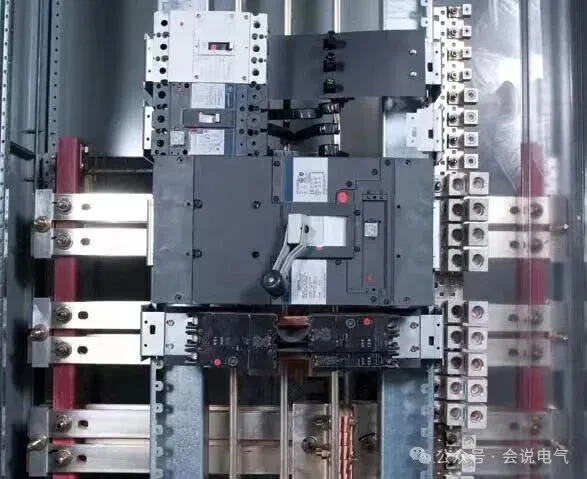 Read More
 -
Environmentally friendly gas insulated 40.5kV switchgear
August 31, 2026There are two types of 40.5kV environmentally friendly gas insulated switchgear: one is used for ring network power supply, with l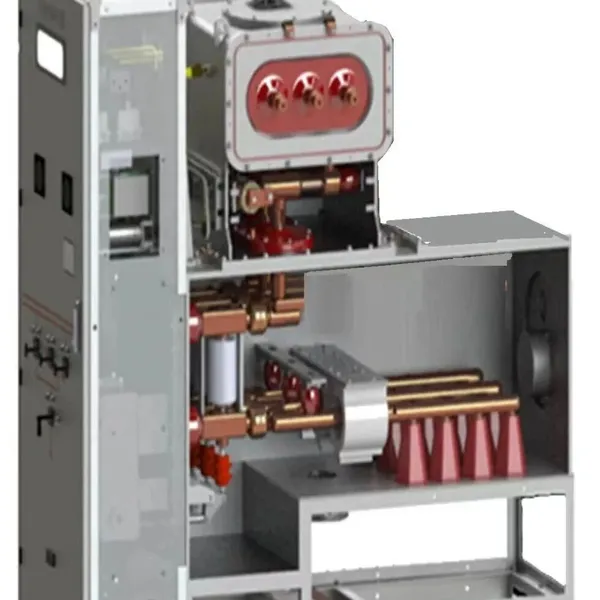 Read More
 -
The use of heat shrink tubing
August 31, 2026For the use of heat shrink tubing, foreign customers accept it as an insulation medium. According to the requirements of RAYCHEM 2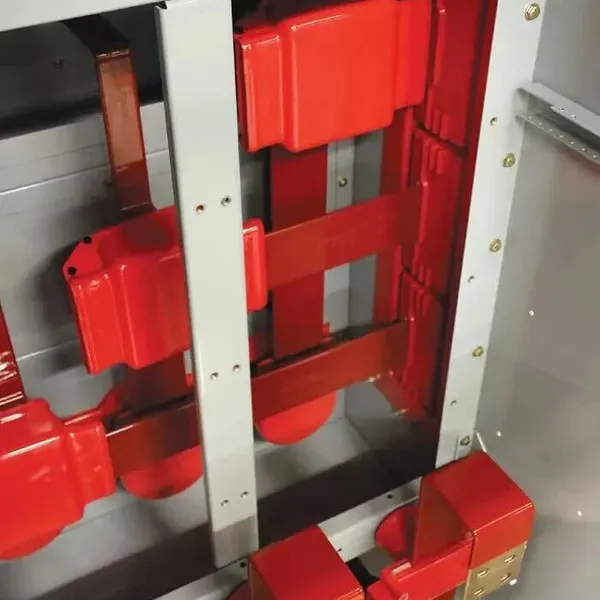 Read More
 -
American standard 38kV metal armored outdoor switchgear
August 31, 2026The power frequency withstand voltage of the 38kV switchgear is 80kV, and the lightning impulse withstand voltage is 150kV. For me Read More

Contact Us
Recommended Products
-
 Single Phase Oil Immersed Transformer 10KVA 15KVA 25KVA 37.5KVA Standard CompliantNegotiableMOQ: 2 Units
 -
Electrical Arc Furnace Transformers up to 120MVA - Certified for Steel Industry ApplicationsUS$ 8000 - 10000MOQ: 1 Unit
-
3-Phase Oil Type Transformer 5-Year Warranty With Load Test ReportUS$ 5428 - 5628MOQ: 1 Unit
-
Three Phase Oil Filled Transformer for Mining Operations Dust-Proof DesignUS$ 5428 - 5628MOQ: 1 Unit
-
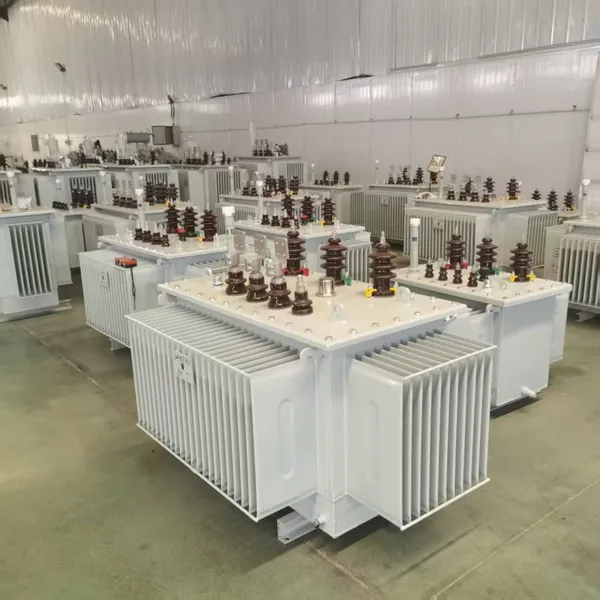
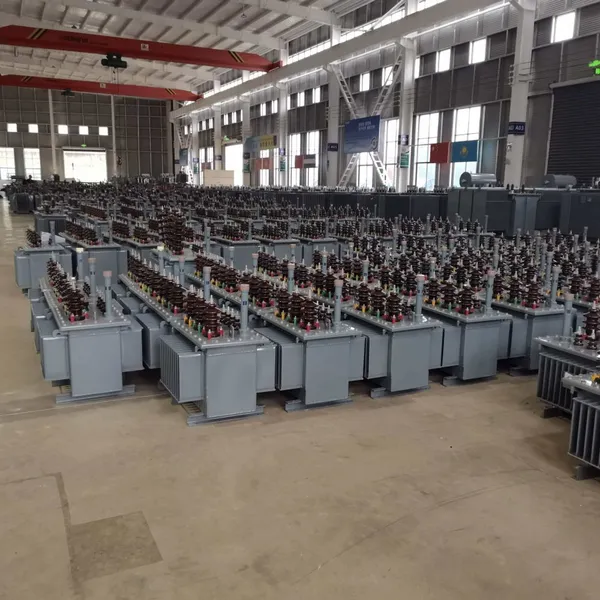
HV Three Phase Oil Filled Transformer With ONAN Cooling 500kVA-2500kVAUS$ 5428 - 5628MOQ: 1 Unit
-
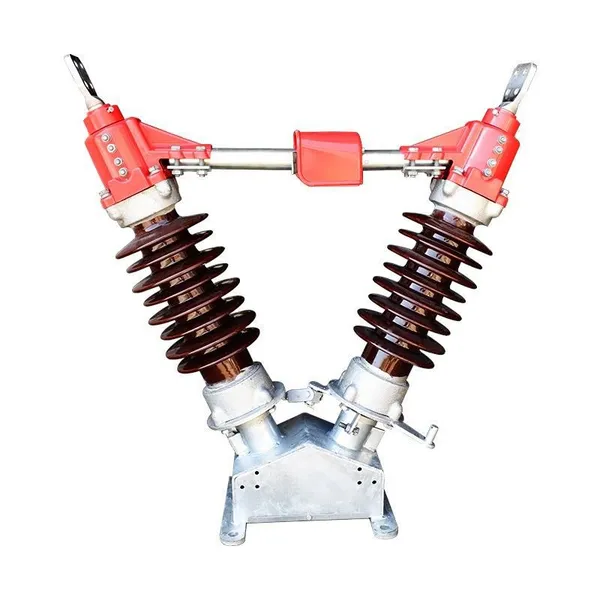
11/24/33KV High Voltage Isolation Switch With Mill Test ReportUS$ 800MOQ: 1 Unit
-
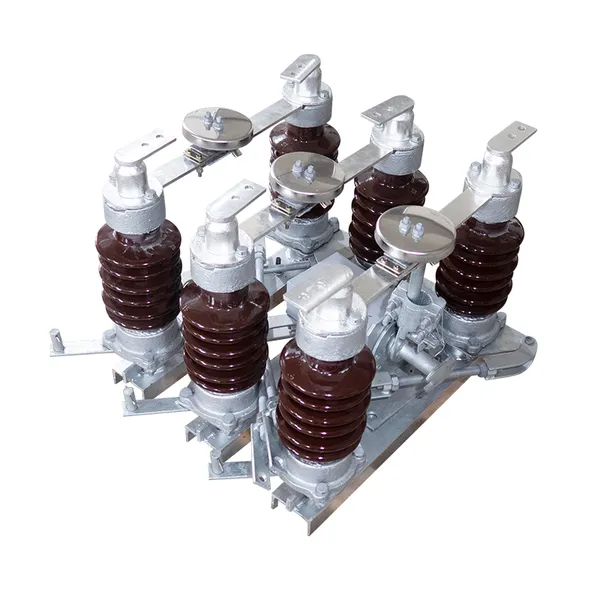
3-Pole Outdoor Isolation Switch With 5-Year Warranty and Compliance TestingUS$ 800MOQ: 1 Unit
-
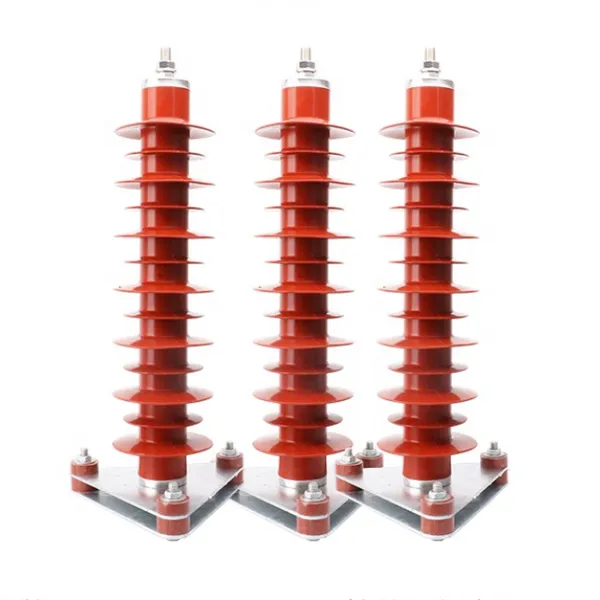
YH5WZ 3KV-110KV Zinc Oxide Arrester for Power Station Outdoor High Voltage DistributionUS$ 21MOQ: 100 Units
-
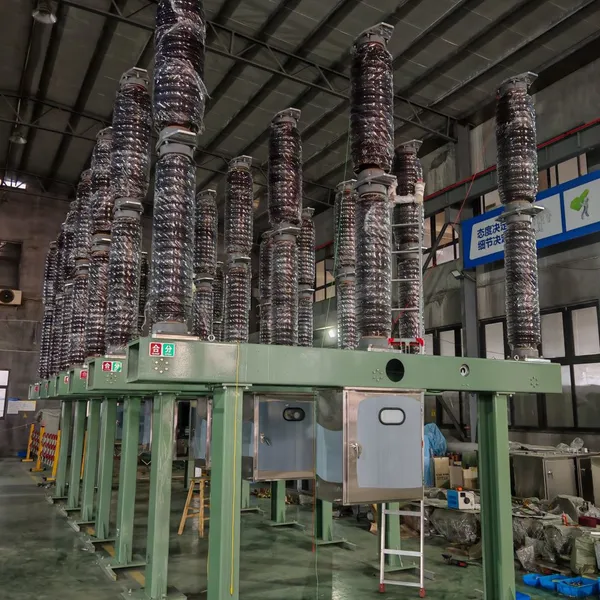
Outdoor SF6 Load Break Switch LW30-72.5/1250A 24KV 630A 16KA Three PhaseUS$ 10000MOQ: 1 Unit
-
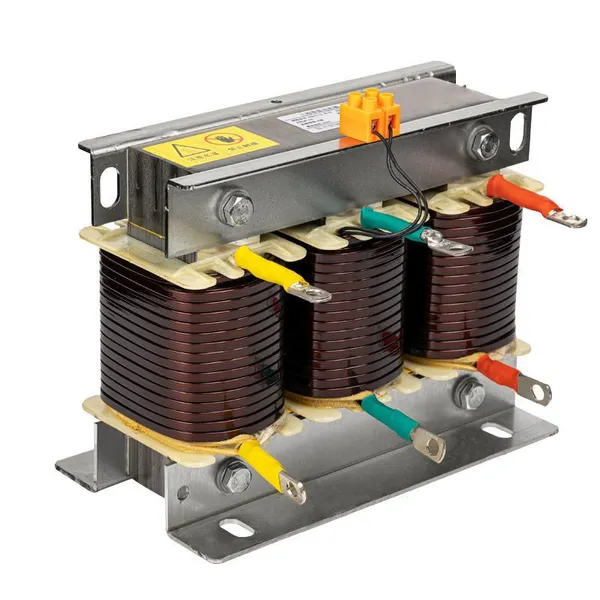
Input Line Reactor for CNC Machine Frequency Converters, 400V 60HzUS$ 65MOQ: 5 Units
-
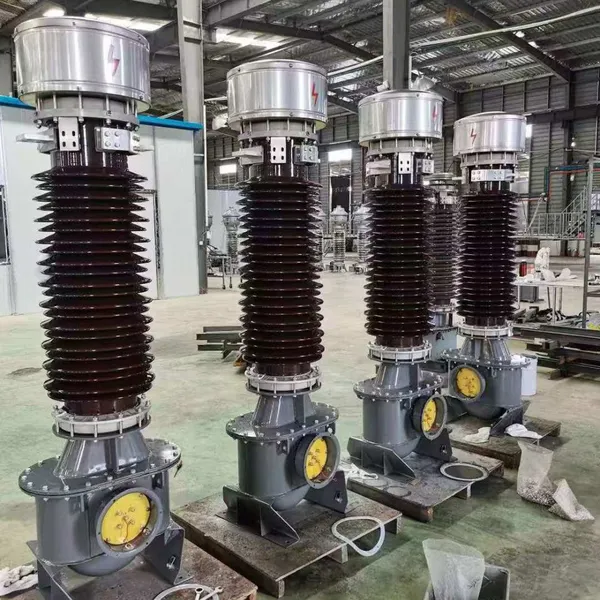
Industrial Grade 35-220KV Oil-Immersed Current Transformer for SubstationsUS$ 480 - 500MOQ: 3 Units
-
LZZBJ9-20 Indoor 24kV High Voltage Cabinet Single-Phase 5-20 for Industrial Power SystemsUS$ 250MOQ: 3 Units
-
17.5 KV Full-enclosed Outdoor Epoxy Resin Casting and Double Pole Insulated Voltage TransformerUS$ 90 - 100MOQ: 1 Piece
-
Three Phase 30kVA SVC Voltage Regulator for Textile Manufacturing, Stable OutputUS$ 159MOQ: 10 Units
-
Amorphous Core 25kVA Transformer Compliant With IEC Standards for Power DistributionUS$ 1300 - 2900MOQ: 2 Units
-
CHINT NM8NDC-630 DC 1000V/Ui High-Voltage Circuit Breaker With 630A Frame CurrentUS$ 425 - 625MOQ: 100 Units
-
High Voltage Drop Out Fuse Cutout 33KV 27KV 24KV for Overhead LinesUS$ 35MOQ: 100 Units
-
TVR-10 KVA Automatic Voltage Stabilizer 220V ±0.5% Accuracy for Laboratory InstrumentsUS$ 103 - 123MOQ: 1 Unit
-
Universal 5000VA Voltage Transformer for International Appliances 110V-220VUS$ 102 - 107MOQ: 10 Units
-
500kV Three-Phase Oil-Immersed Auto Transformer 250MVA for Power GridsUS$ 800 - 9000MOQ: 1 Unit