
 Business License

Why do some "ring main unit gas boxes" have observation windows while others do not? What is their f
The observation window on the gas box of the ring main unit is a common design, mainly used to facilitate operators to observe the opening and closing positions and fracture status of the isolation switch/grounding switch inside the cabinet. Why do some ring main unit gas boxes have observation windows, while others do not? Is it necessary to configure them?
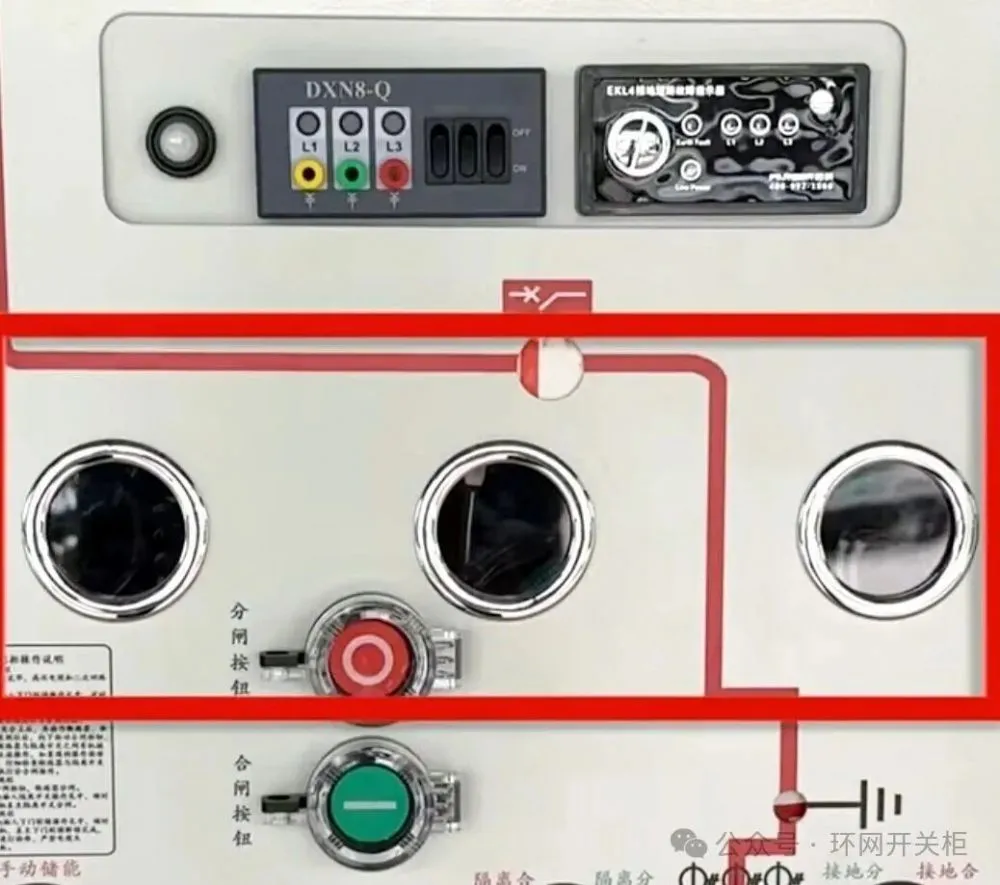
2. Whether the ring main unit should be equipped with observation windows and air box types is closely related: - SF ₆ Fully sealed air box: often without observation windows, relying on pressure gauges/density relays for monitoring, with a more compact structure and more reliable sealing. -Environmentally friendly gas (dry air/nitrogen) box: equipped with observation window, used to check the position of isolation switch/grounding switch, which is generally required by State Grid standards. -Solid insulated/air insulated ring main unit: There must be an observation window for viewing the position of the isolation knife/circuit breaker.
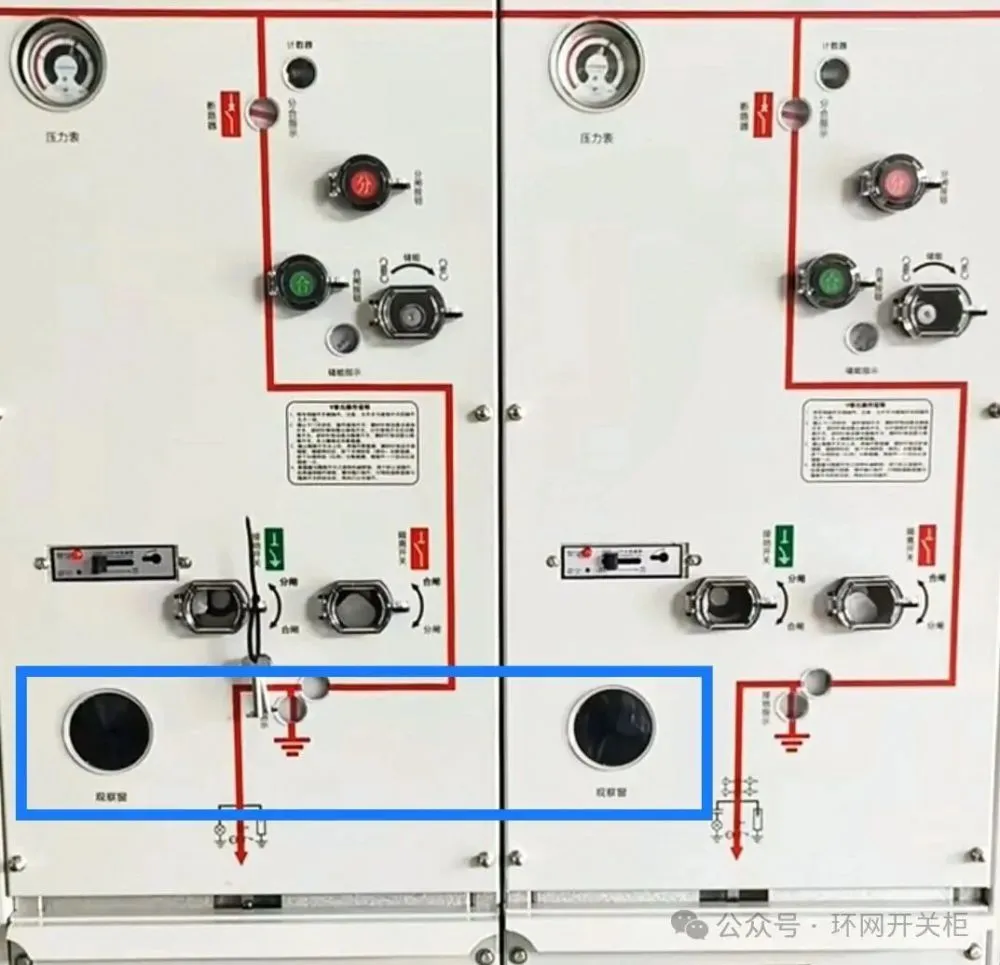
3. Why are environmental protection and solid gas tanks necessary, but SF6 is not? The differences in the necessity of observation windows are determined by the characteristics of the insulation medium and the methods of operation and maintenance confirmation
1) Environmentally friendly gases (dry air/nitrogen)/solid insulation: The reasons why they must be used are as follows:
-The arc extinguishing/insulation capability is weaker than SF ₆, and the opening and closing positions and contact states of internal contacts and isolation fractures are more critical for safe operation.
-This type of gas box structure is more open, and direct observation with the naked eye is the most intuitive and reliable way to confirm the position during operation and acceptance, which is also a mandatory requirement of mainstream network standards.
-Five proof logic verification and troubleshooting need to be completed through observation windows, as the absence of windows will significantly increase operational risks.
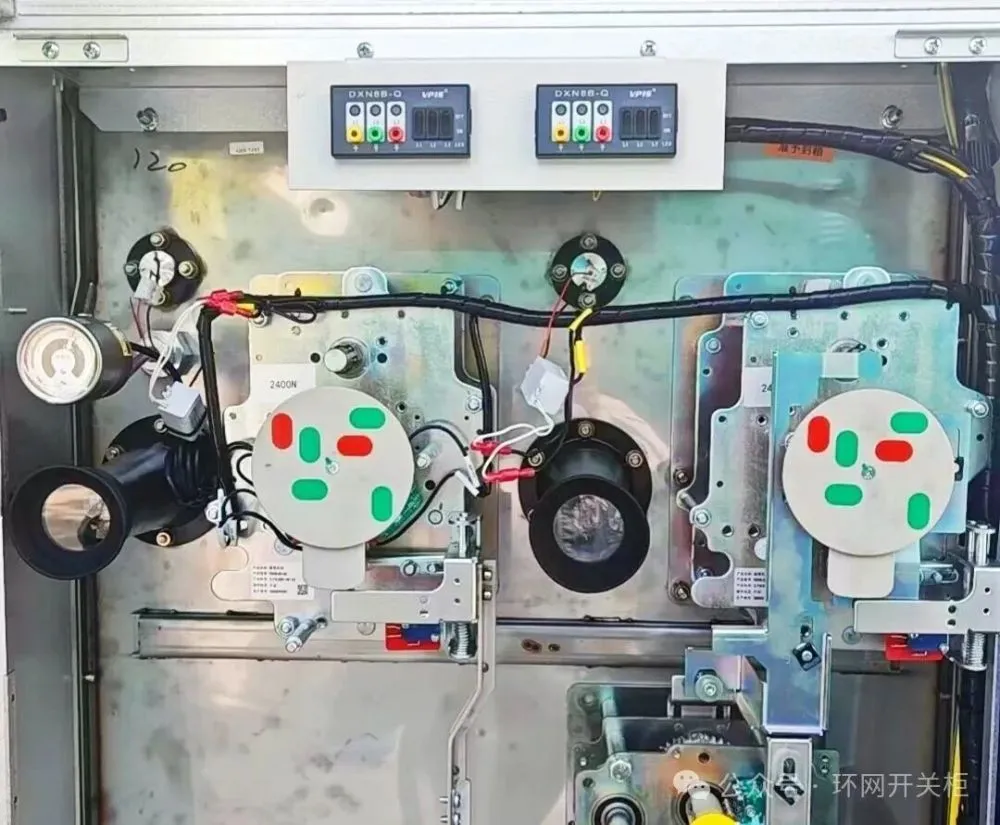
2) SF ₆ Ring main unit: The reasons for not matching are as follows:
-SF has extremely strong insulation and arc extinguishing performance, and the gas box is mostly a fully sealed welded structure with extremely high sealing requirements.
-Opening the observation window will add an additional sealing surface, increasing the risk of air leakage, and the core requirement of SF air boxes is long-term maintenance free and minimal leakage points.
-The status can be remotely/locally confirmed through position indicators, electrical auxiliary contacts, and live display devices, without the need to open windows for visual inspection, which can meet the needs of operation and maintenance.
4. Summary:
Environmental protection/solid insulation relies on visually confirming the internal state, so an observation window must be provided; SF ₆ prioritizes ensuring that the seal does not leak, and electrical/mechanical indicators can be used instead of observation, so it is not necessary.
Recently Posted
-
Jinhua Dika Electrical Equipment: Manufacturing Transformers and Switchgear in Zhejiang, China
August 31, 2026When a buyer starts looking for a transformer or a complete switchgear set, the hardest part is often not the specification. It is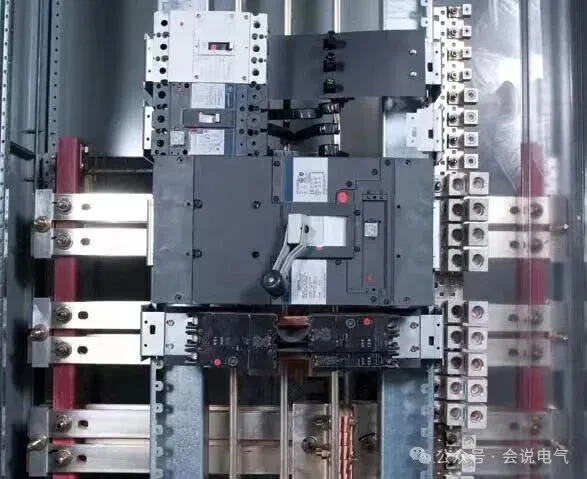 Read More
 -
Environmentally friendly gas insulated 40.5kV switchgear
August 31, 2026There are two types of 40.5kV environmentally friendly gas insulated switchgear: one is used for ring network power supply, with l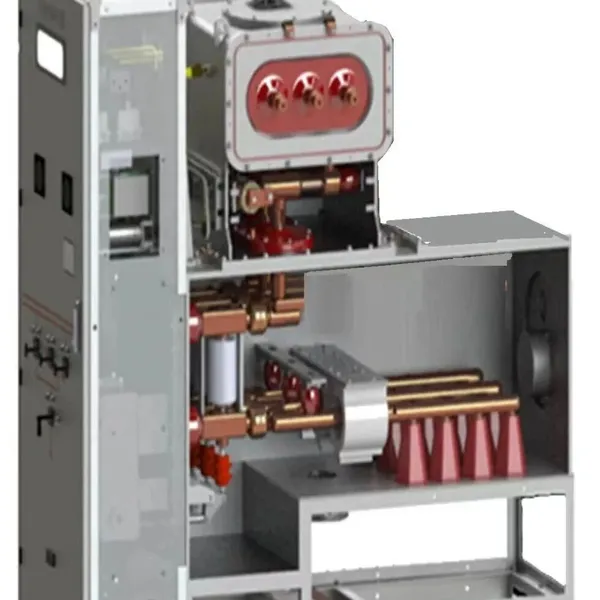 Read More
 -
The use of heat shrink tubing
August 31, 2026For the use of heat shrink tubing, foreign customers accept it as an insulation medium. According to the requirements of RAYCHEM 2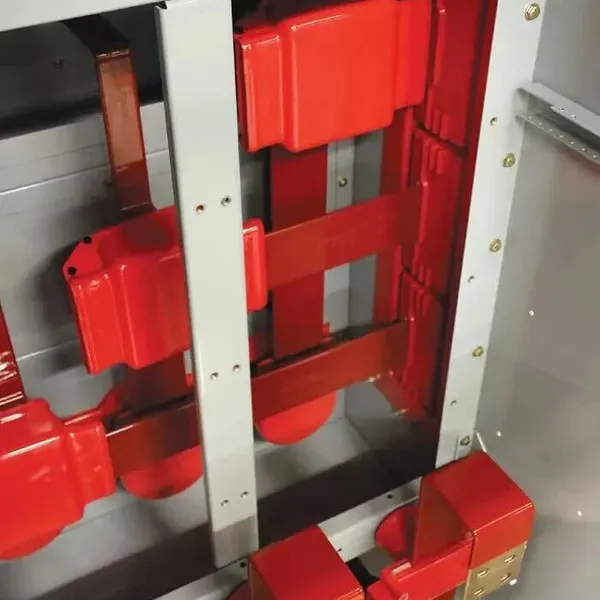 Read More
 -
American standard 38kV metal armored outdoor switchgear
August 31, 2026The power frequency withstand voltage of the 38kV switchgear is 80kV, and the lightning impulse withstand voltage is 150kV. For me Read More

Contact Us
Recommended Products
-
 Single Phase Oil Immersed Transformer 10KVA 15KVA 25KVA 37.5KVA Standard CompliantNegotiableMOQ: 2 Units
 -
Electrical Arc Furnace Transformers up to 120MVA - Certified for Steel Industry ApplicationsUS$ 8000 - 10000MOQ: 1 Unit
-
3-Phase Oil Type Transformer 5-Year Warranty With Load Test ReportUS$ 5428 - 5628MOQ: 1 Unit
-
Three Phase Oil Filled Transformer for Mining Operations Dust-Proof DesignUS$ 5428 - 5628MOQ: 1 Unit
-
HV Three Phase Oil Filled Transformer With ONAN Cooling 500kVA-2500kVAUS$ 5428 - 5628MOQ: 1 Unit
-
11/24/33KV High Voltage Isolation Switch With Mill Test ReportUS$ 800MOQ: 1 Unit
-
3-Pole Outdoor Isolation Switch With 5-Year Warranty and Compliance TestingUS$ 800MOQ: 1 Unit
-
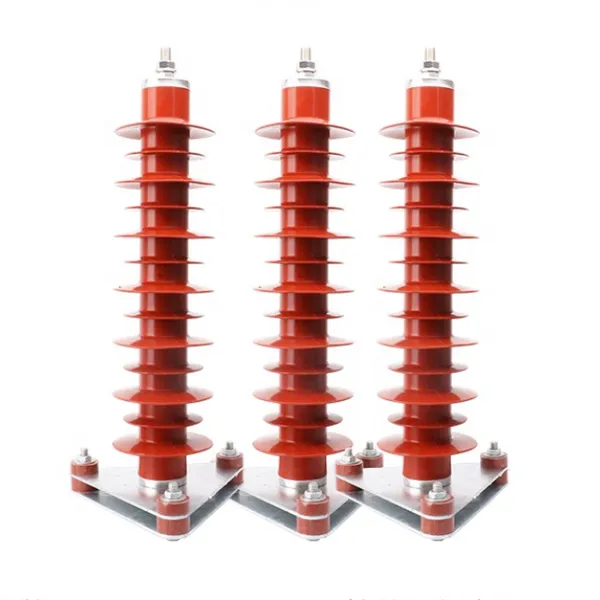
YH5WZ 3KV-110KV Zinc Oxide Arrester for Power Station Outdoor High Voltage DistributionUS$ 21MOQ: 100 Units
-
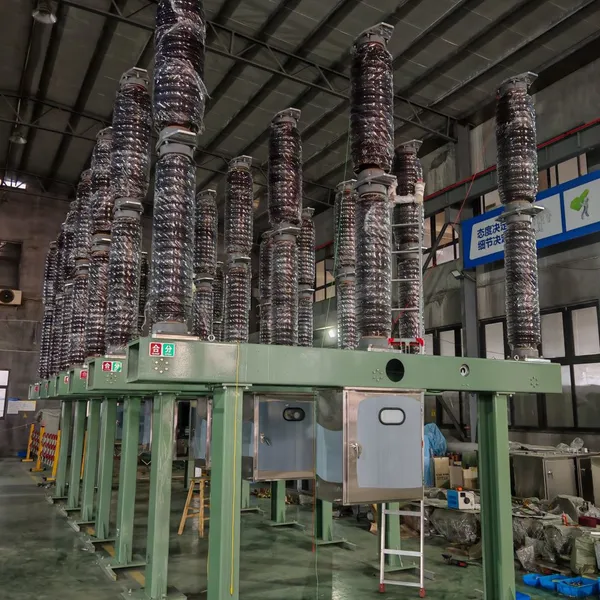
Outdoor SF6 Load Break Switch LW30-72.5/1250A 24KV 630A 16KA Three PhaseUS$ 10000MOQ: 1 Unit
-
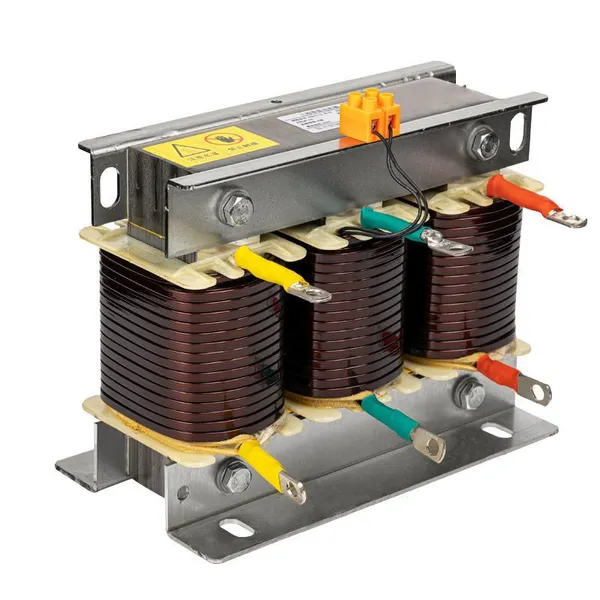
Input Line Reactor for CNC Machine Frequency Converters, 400V 60HzUS$ 65MOQ: 5 Units
-
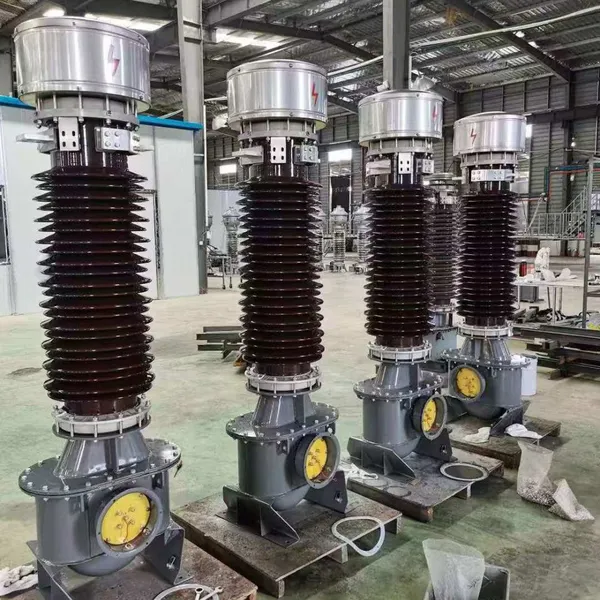
Industrial Grade 35-220KV Oil-Immersed Current Transformer for SubstationsUS$ 480 - 500MOQ: 3 Units
-
LZZBJ9-20 Indoor 24kV High Voltage Cabinet Single-Phase 5-20 for Industrial Power SystemsUS$ 250MOQ: 3 Units
-
17.5 KV Full-enclosed Outdoor Epoxy Resin Casting and Double Pole Insulated Voltage TransformerUS$ 90 - 100MOQ: 1 Piece
-
Three Phase 30kVA SVC Voltage Regulator for Textile Manufacturing, Stable OutputUS$ 159MOQ: 10 Units
-
Amorphous Core 25kVA Transformer Compliant With IEC Standards for Power DistributionUS$ 1300 - 2900MOQ: 2 Units
-
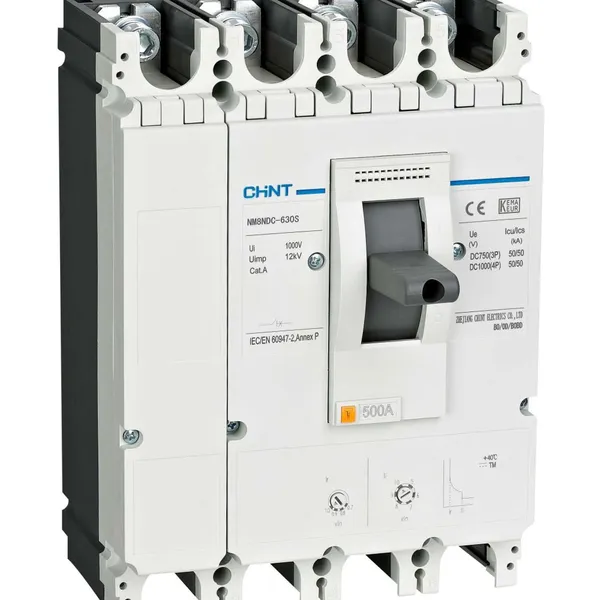
CHINT NM8NDC-630 DC 1000V/Ui High-Voltage Circuit Breaker With 630A Frame CurrentUS$ 425 - 625MOQ: 100 Units
-
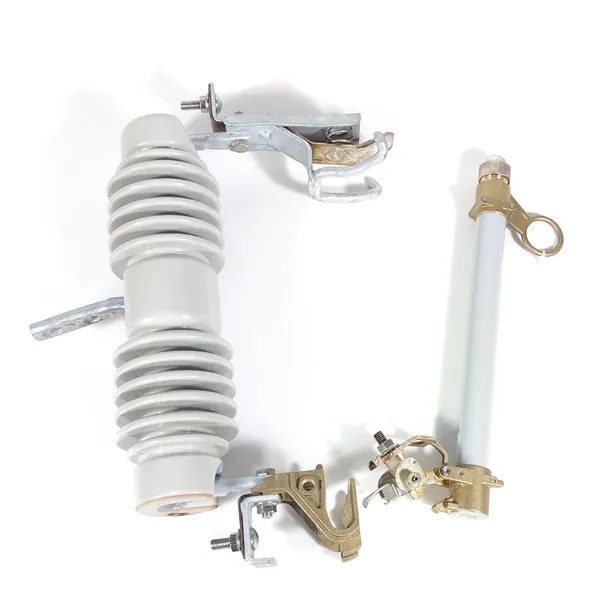
High Voltage Drop Out Fuse Cutout 33KV 27KV 24KV for Overhead LinesUS$ 35MOQ: 100 Units
-
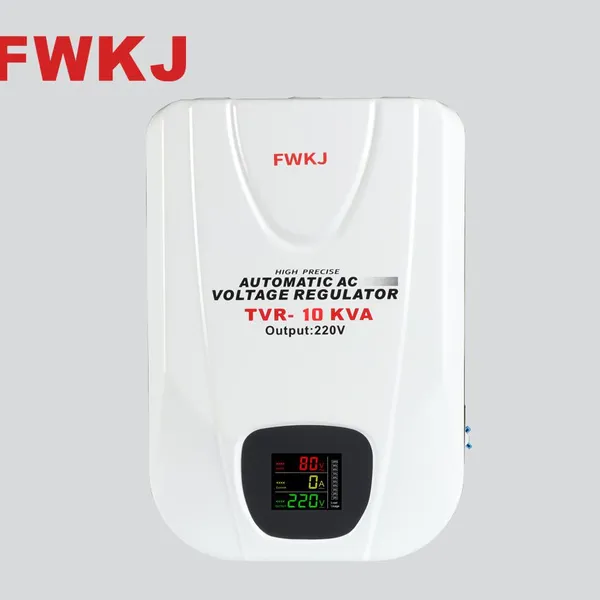
TVR-10 KVA Automatic Voltage Stabilizer 220V ±0.5% Accuracy for Laboratory InstrumentsUS$ 103 - 123MOQ: 1 Unit
-
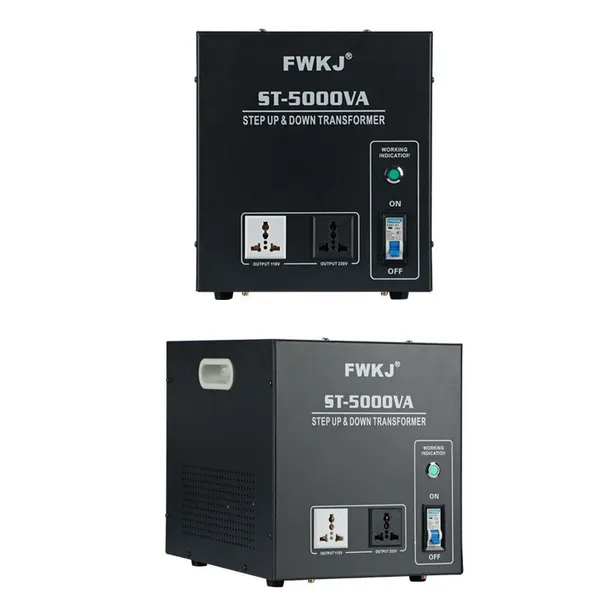
Universal 5000VA Voltage Transformer for International Appliances 110V-220VUS$ 102 - 107MOQ: 10 Units
-
500kV Three-Phase Oil-Immersed Auto Transformer 250MVA for Power GridsUS$ 800 - 9000MOQ: 1 Unit