
 Business License

Basic knowledge of secondary grounding for current transformers and voltage transformers
1、 The 'fatal' hazard of current transformers: open circuit on the secondary side
In the vast context of the power system, the importance of current transformers as key bridges connecting high and low voltage, primary and secondary is self-evident. However, do you know? The most taboo of current transformers is the open circuit state on the secondary side. Once this situation occurs, all the current in the primary winding will be instantly converted into excitation current, causing a sharp increase in the secondary induced potential, which may not only burn out the transformer itself, but also pose a serious threat to the personal safety of operation and maintenance personnel. The reasons behind this are worth exploring in depth.
1. Construction of security defense line
2、 Secondary side grounding: why is it necessary? Why only a little bit?
Although the electromagnetic isolation design of current transformers makes it appear that there is no direct electrical connection between the primary and secondary sides, regulations still require that the secondary side must
Grounding. There are two major safety considerations behind this: firstly, to prevent high voltage from entering the secondary side and endangering equipment and personnel safety when insulation breakdown occurs on the high and low voltage sides; two
It provides a stable grounding "0" point for the secondary circuit to avoid interference and risks caused by suspended operation.
2. A little bit of grounded wisdom
So, why emphasize "just a little" grounding? This is precisely to avoid electromagnetic interference and interference currents in the neutral line. Imagine if there were multiple connections on the secondary side
The potential difference on the ground grid may enter the circuit, causing unnecessary shunting and misoperation. Therefore, both current transformers and voltage transformers can only have one grounding point for their secondary circuits, and the selection of this grounding point needs to be carefully planned to ensure safety and stability.
3、 Application and regulatory requirements in practice
In actual operation, the grounding strategy of the secondary side of the current transformer needs to be flexibly adjusted according to specific situations. For example, in the measurement circuit, in order to avoid measurement errors caused by two-point grounding, some units require that grounding is not allowed on the secondary side of the transformer (especially in 40OV systems). In the protective device, emphasis is placed on
Near the power distribution equipment or on the protection screen, a point should be grounded through the terminal block to ensure quick response and accurate judgment in case of faults.
The relevant requirements and specifications of State Grid, such as the "Twenty five Key Requirements for Preventing Power Production Accidents (2023 Edition)" and the "Inspection Regulations for Relay Protection and Power Grid Safety Automatic Devices" (DL/T995-2016), have provided clear guidance on the grounding issue of the secondary circuit of current transformers. These regulations not only emphasize the necessity of grounding, but also refine the principles for setting grounding points to ensure the safe and stable operation of the power system.
4、 Guarding the safety of the power grid, starting from details
The grounding point on the secondary side of the current transformer, although seemingly insignificant, is related to the safety and stability of the entire power system. As guardians of power grid security, we should always remain vigilant, delve into basic knowledge, master equipment principles and functions, and continuously improve our professional technical level. At the same time, by studying accident cases and learning from experience, we can quickly determine the cause and restore power supply in the event of similar accidents. Let's start from every detail and work together to safeguard the safety and stability of the power grid
Recently Posted
-
Jinhua Dika Electrical Equipment: Manufacturing Transformers and Switchgear in Zhejiang, China
August 31, 2026When a buyer starts looking for a transformer or a complete switchgear set, the hardest part is often not the specification. It is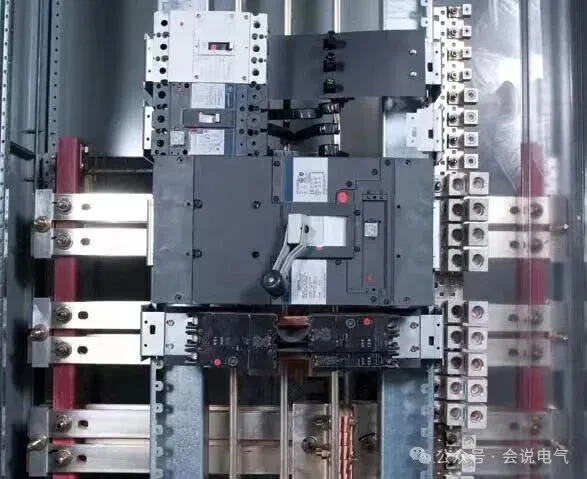 Read More
 -
Environmentally friendly gas insulated 40.5kV switchgear
August 31, 2026There are two types of 40.5kV environmentally friendly gas insulated switchgear: one is used for ring network power supply, with l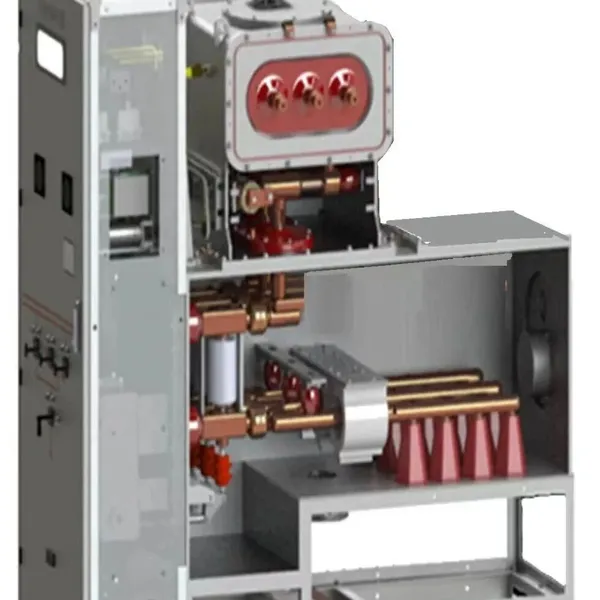 Read More
 -
The use of heat shrink tubing
August 31, 2026For the use of heat shrink tubing, foreign customers accept it as an insulation medium. According to the requirements of RAYCHEM 2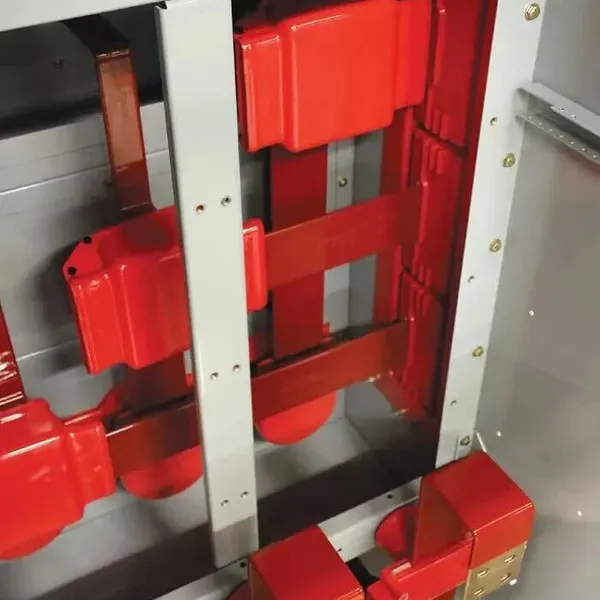 Read More
 -
American standard 38kV metal armored outdoor switchgear
August 31, 2026The power frequency withstand voltage of the 38kV switchgear is 80kV, and the lightning impulse withstand voltage is 150kV. For me Read More

Contact Us
Recommended Products
-
 Single Phase Oil Immersed Transformer 10KVA 15KVA 25KVA 37.5KVA Standard CompliantNegotiableMOQ: 2 Units
 -
Electrical Arc Furnace Transformers up to 120MVA - Certified for Steel Industry ApplicationsUS$ 8000 - 10000MOQ: 1 Unit
-
3-Phase Oil Type Transformer 5-Year Warranty With Load Test ReportUS$ 5428 - 5628MOQ: 1 Unit
-
Three Phase Oil Filled Transformer for Mining Operations Dust-Proof DesignUS$ 5428 - 5628MOQ: 1 Unit
-
HV Three Phase Oil Filled Transformer With ONAN Cooling 500kVA-2500kVAUS$ 5428 - 5628MOQ: 1 Unit
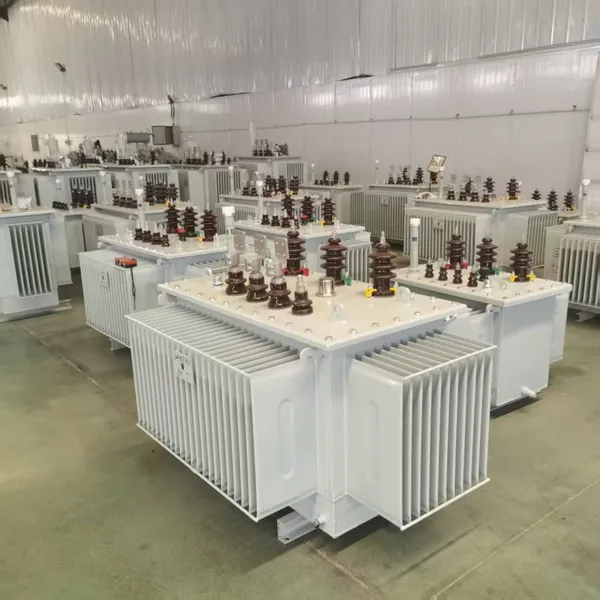
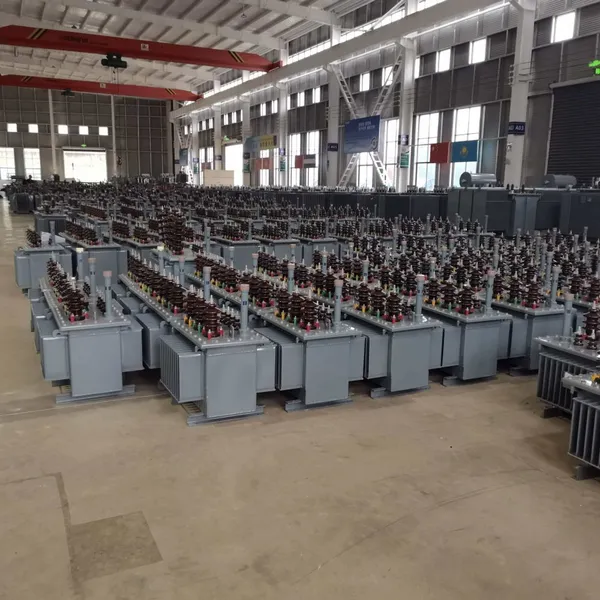
-
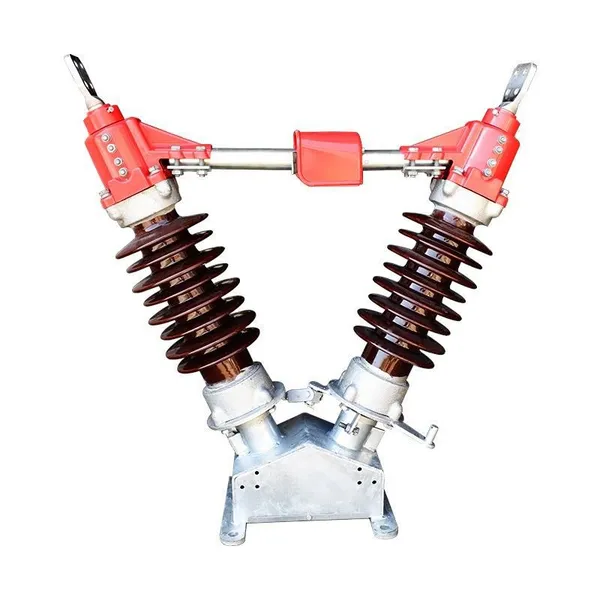
11/24/33KV High Voltage Isolation Switch With Mill Test ReportUS$ 800MOQ: 1 Unit
-
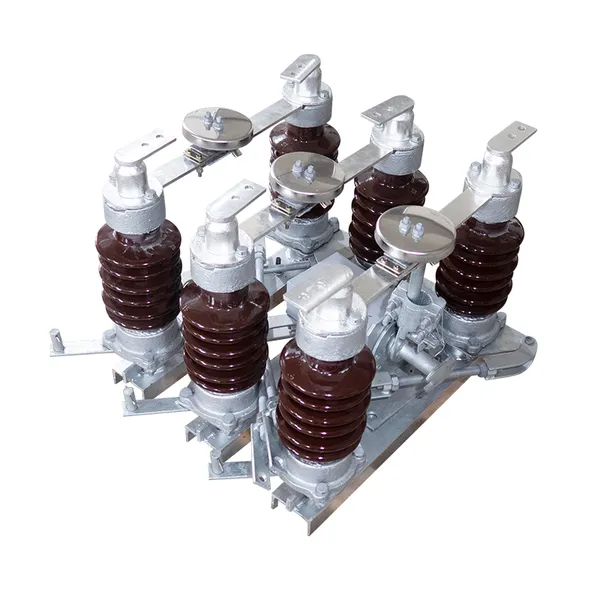
3-Pole Outdoor Isolation Switch With 5-Year Warranty and Compliance TestingUS$ 800MOQ: 1 Unit
-
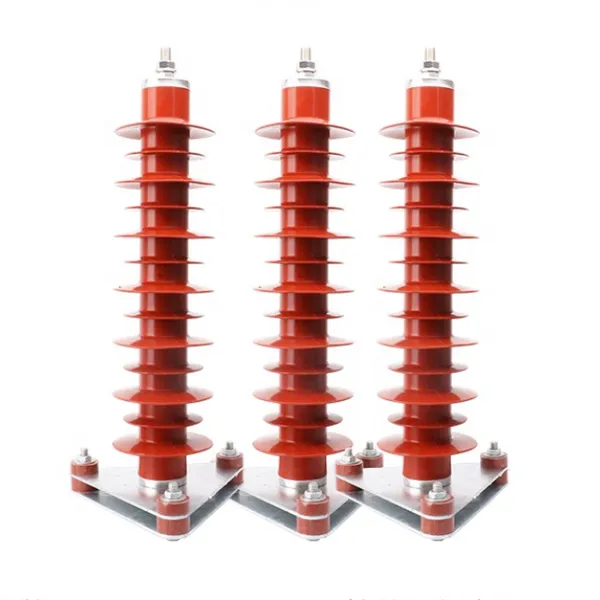
YH5WZ 3KV-110KV Zinc Oxide Arrester for Power Station Outdoor High Voltage DistributionUS$ 21MOQ: 100 Units
-
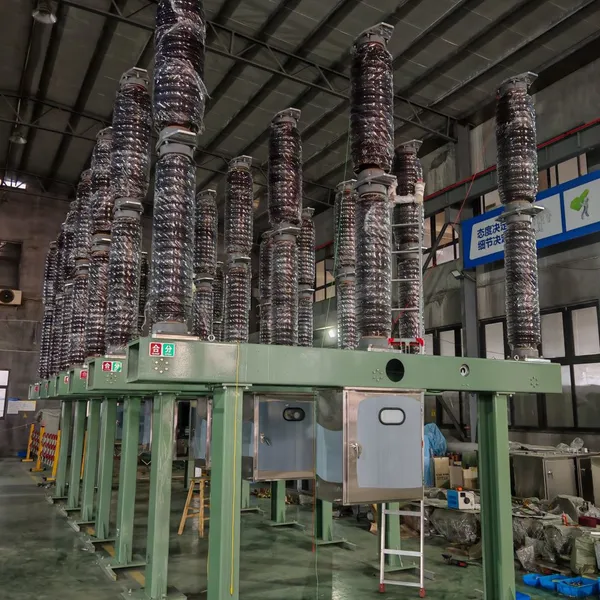
Outdoor SF6 Load Break Switch LW30-72.5/1250A 24KV 630A 16KA Three PhaseUS$ 10000MOQ: 1 Unit
-
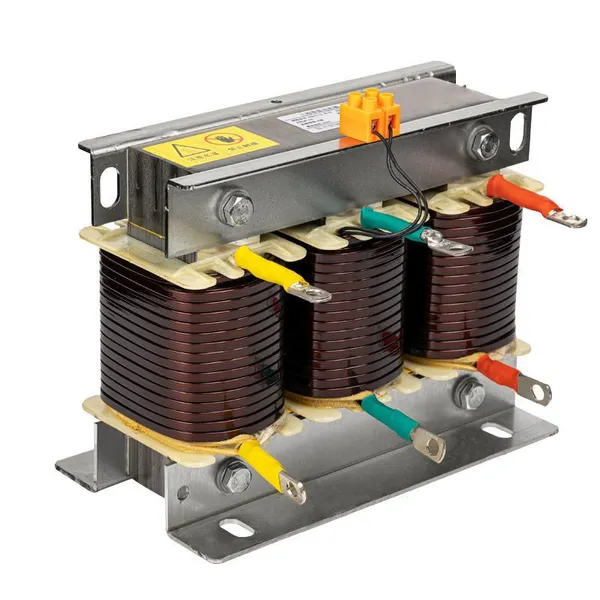
Input Line Reactor for CNC Machine Frequency Converters, 400V 60HzUS$ 65MOQ: 5 Units
-
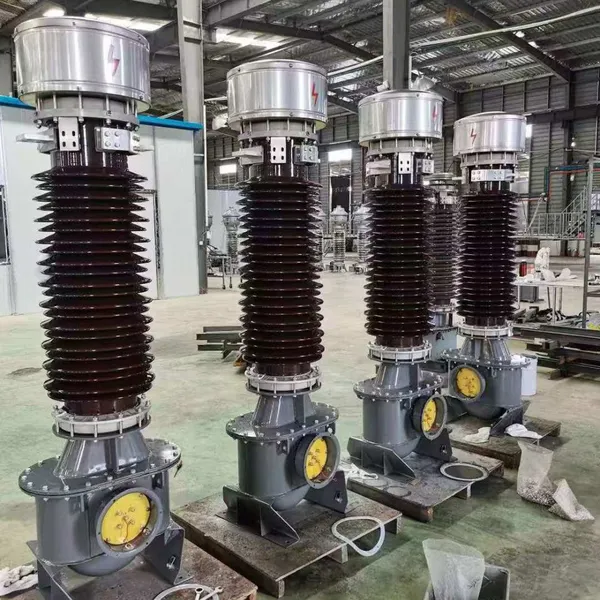
Industrial Grade 35-220KV Oil-Immersed Current Transformer for SubstationsUS$ 480 - 500MOQ: 3 Units
-
LZZBJ9-20 Indoor 24kV High Voltage Cabinet Single-Phase 5-20 for Industrial Power SystemsUS$ 250MOQ: 3 Units
-
17.5 KV Full-enclosed Outdoor Epoxy Resin Casting and Double Pole Insulated Voltage TransformerUS$ 90 - 100MOQ: 1 Piece
-
Three Phase 30kVA SVC Voltage Regulator for Textile Manufacturing, Stable OutputUS$ 159MOQ: 10 Units
-
Amorphous Core 25kVA Transformer Compliant With IEC Standards for Power DistributionUS$ 1300 - 2900MOQ: 2 Units
-
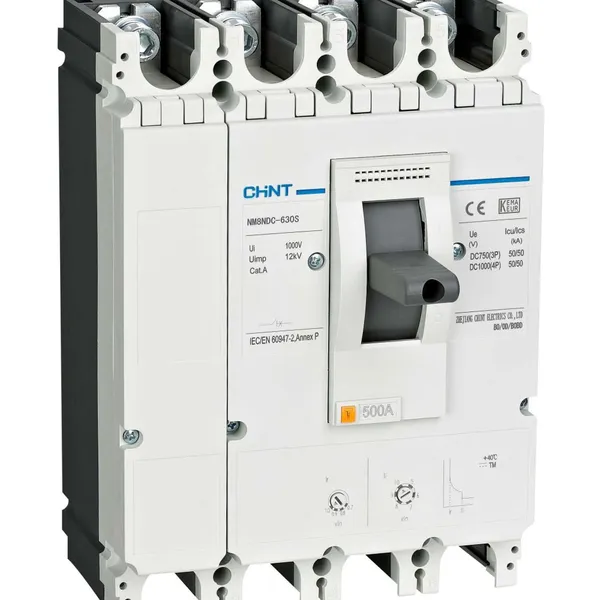
CHINT NM8NDC-630 DC 1000V/Ui High-Voltage Circuit Breaker With 630A Frame CurrentUS$ 425 - 625MOQ: 100 Units
-
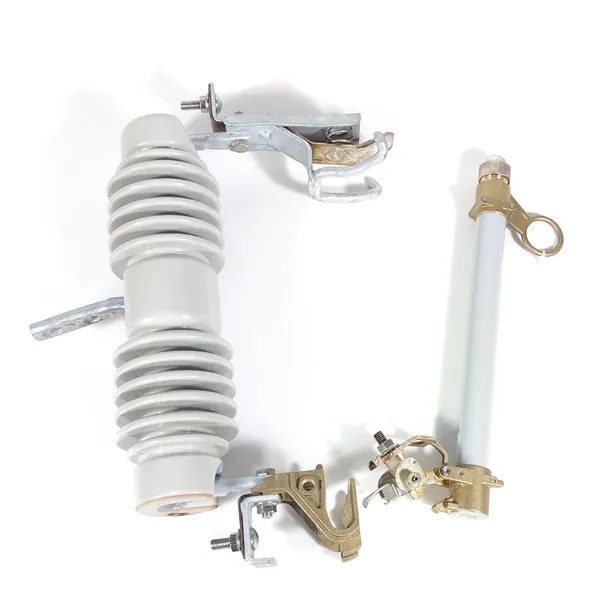
High Voltage Drop Out Fuse Cutout 33KV 27KV 24KV for Overhead LinesUS$ 35MOQ: 100 Units
-
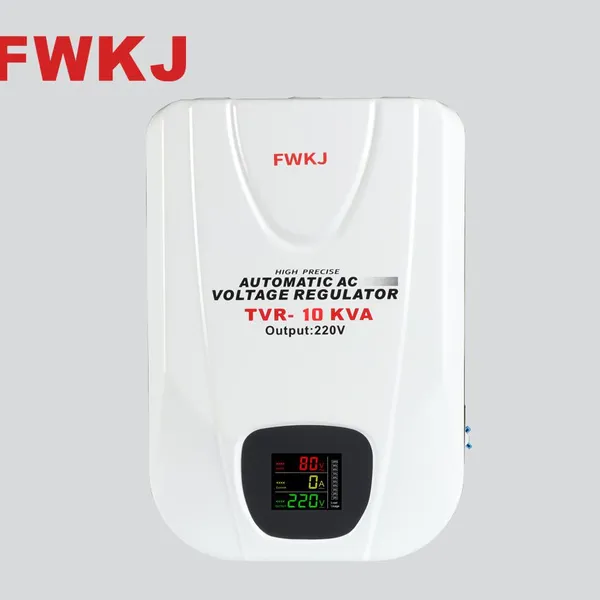
TVR-10 KVA Automatic Voltage Stabilizer 220V ±0.5% Accuracy for Laboratory InstrumentsUS$ 103 - 123MOQ: 1 Unit
-
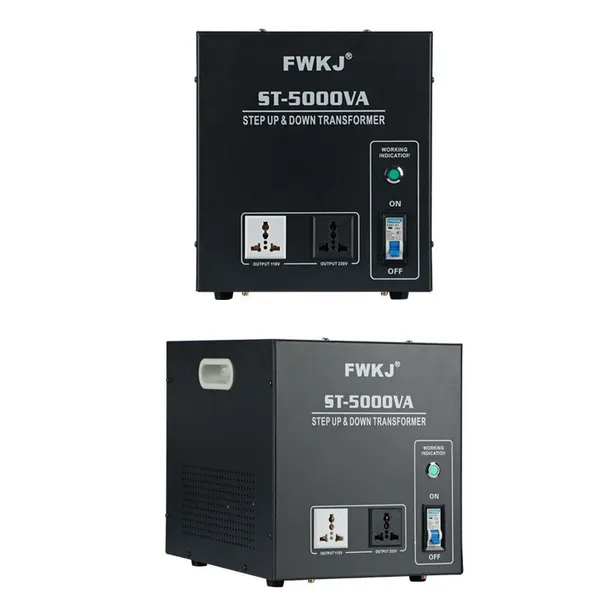
Universal 5000VA Voltage Transformer for International Appliances 110V-220VUS$ 102 - 107MOQ: 10 Units
-
500kV Three-Phase Oil-Immersed Auto Transformer 250MVA for Power GridsUS$ 800 - 9000MOQ: 1 Unit