
 Business License

Selection of internal arc test points for low-voltage switchgear
According to the guidance of the national standard GB/T 18859-2016 (equivalent to IEC/TR61641), the ignition point for the internal arc test of low-voltage switchgear is usually selected at the critical position 8 where the maximum pressure is most likely to be generated during partial faults
The recommended test locations for the standard are mainly as follows:
1. The two sides of the incoming unit, namely the power supply side and the load side, are the power inlet. Once a fault occurs, the affected area will be large.
2. Main busbar and branch busbar: Pay attention to changes in current flow direction or corners with dense conductors, as faults are prone to spread.
3. Load side of outgoing unit: Verify the protective effect of the switchgear when a short circuit occurs in the lower level distribution line.
Selection principles and techniques
In addition to the conventional positions mentioned above, the following strategies are usually followed during operations to rigorously assess:
Choose the most stringent point: If only one point is selected, choose the position with the maximum distance between phases, which can generate longer and more energetic arcs.
2. Choose the most crowded point: Choose a location with multiple components and a small compartment volume, as its internal pressure accumulates the fastest and tests its pressure relief ability
Key Test Configuration Reference
1. Duration: usually set to 0.3 seconds, which needs to be adjusted in conjunction with the action time of the protective electrical appliance.
3. Ignition method: Use bare copper wire to short-circuit and arc between ungrounded phases, with the wire diameter selected according to the expected current (e.g. 0.75mm2 for currents below 25kA).
This answer is generated by AI and the content is for reference only. Please carefully discern.
However, many factories only conduct short-circuit arc tests on the drawer outlet side, and the State Grid standard for low-voltage switchgear SLVA also defines only conducting short-circuit arc tests on the drawer cabinet circuit breaker outlet terminals. Generally, no tests are conducted on the busbar and incoming/outgoing line ends.
Ask AI again, and AI's answer is as follows:
Why don't low-voltage switchgear undergo internal arc testing at the incoming end?
Low voltage switchgear does not completely avoid conducting internal arc tests on the incoming end, but the testing requirements for the incoming end (power side) are different from those for the outgoing end (load side), and the incoming end test is often difficult to pass or has limited significance in practice. Therefore, industry standards and actual testing focus more on testing the outgoing end or other key points inside.
The specific reasons are as follows:
1. Difficulty in passing the test evaluation criteria at the incoming end (core reason): Electric arcs are prone to escape and cause test failure: The incoming end (such as the main switch incoming busbar) usually has relatively large space and is close to the cabinet door or incoming cable room. When an arc is ignited at the incoming end, the arc is prone to escape to other areas inside the cabinet (such as the switch room and busbar room), causing the cabinet door to be blown open by high-pressure gas or internal components to fly out, which cannot meet the strict test qualification standards of "keeping the door and cover closed" and "no dangerous components flying off". The destructive power is too great to meet the protection requirements: the incoming end is close to the edge of the cabinet, and the high-temperature and high-pressure gas generated by arc combustion directly impacts the cabinet door, causing great destructive power and easily leading to test failure.
According to relevant standards (such as GB/T18859), some circuits inside the switchgear are divided into "arc ignition protection zone" (an area designed to ensure that it is almost impossible to cause an arc) and "arc test zone". Due to strict isolation and protection measures such as current limiting protectors and insulation protection, the incoming end (power supply side) is usually designated as an "arc ignition protection zone". The standard stipulates that arcs should not be triggered in this area, so the incoming end is not the preferred ignition test point.
3. Actual failure probability and test representativeness considerations: Internal arc faults in low-voltage switchgear often occur on the load side (such as drawers at the output end, cable joints) or in densely populated areas. These locations have a relatively higher probability of failure and can better simulate the "worst-case" situation of arc propagation inside the cabinet during actual failures, which is more representative for assessing the isolation and pressure relief capabilities inside the cabinet.
4. The emphasis of standards and testing specifications is on relevant standards (such as IEC61439, GB/T7251) and the technical specifications of State Grid low-voltage cabinets. There are clear guidelines for the ignition point of internal arc testing, which usually require the selection of the most representative position that can generate the maximum pressure (such as the load side of the outgoing functional unit, the end of the main busbar, etc.) for testing. The incoming terminal is not a mandatory test point.
In summary, due to the limitations of spatial structure, protection zone division, and test evaluation criteria, the incoming end of low-voltage switchgear is less commonly used as the main ignition assessment point in actual internal arc testing, and more emphasis is placed on the assessment of internal fault prone areas and outgoing ends.
Answer 1: Because it is difficult to pass and cannot be done, I will not do it. This is also the simplest answer. Answer 2/3 is based on standards and applications, and answer 4 is a summary.
The internal arc fault test voltage of the medium voltage switchgear should be conducted at any suitable voltage according to the IEC62271-200 AA. 4.2 standard, and the voltage should not exceed the rated voltage. If choosing a voltage lower than the rated voltage, it is necessary to meet the following requirements
a) The calculated average root mean square current value of the experiment meets the current requirements of AA. 4.3.1;
b) The arc will not extinguish prematurely at any stage of its initiation. As long as the cumulative duration of no current interval does not exceed 2% of the test duration, and the duration of a single event is not longer than the next expected current zero point, temporary single-phase extinction is allowed, provided that the integral of the AC component of the current is at least equal to the value specified in AA. 4.3.1.
Recently Posted
-
Design of American standard medium voltage switchgear
September 2, 2026Product development requires a solid and serious approach. Firstly, the customer's demand is for authentic American standard a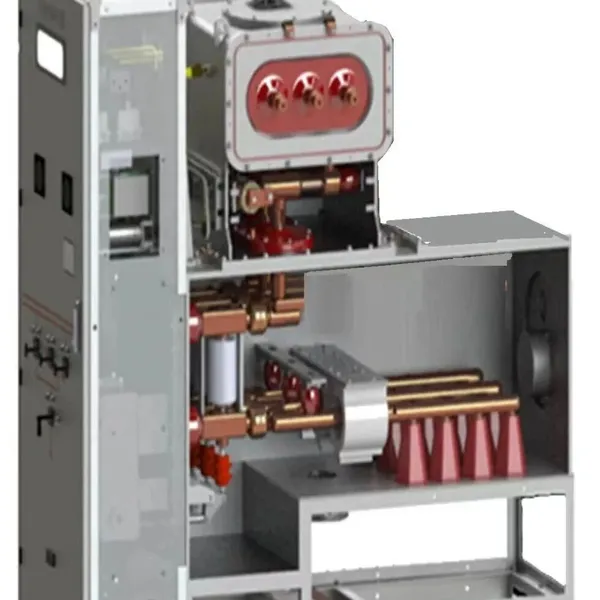 Read More
 -
Jinhua Dika Electrical Equipment: Manufacturing Transformers and Switchgear in Zhejiang, China
August 31, 2026When a buyer starts looking for a transformer or a complete switchgear set, the hardest part is often not the specification. It is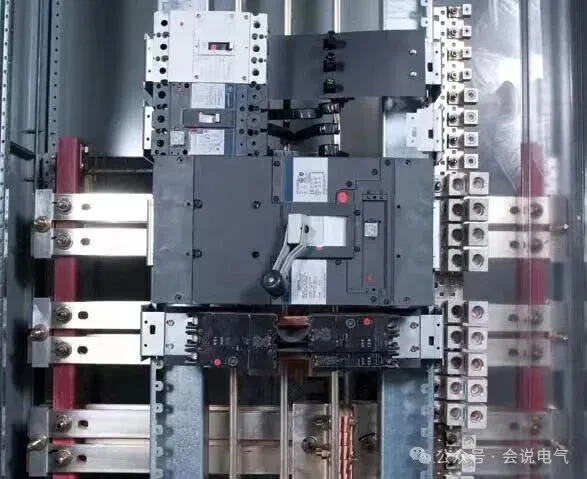 Read More
 -
Environmentally friendly gas insulated 40.5kV switchgear
August 31, 2026There are two types of 40.5kV environmentally friendly gas insulated switchgear: one is used for ring network power supply, with l
Read More -
The use of heat shrink tubing
August 31, 2026For the use of heat shrink tubing, foreign customers accept it as an insulation medium. According to the requirements of RAYCHEM 2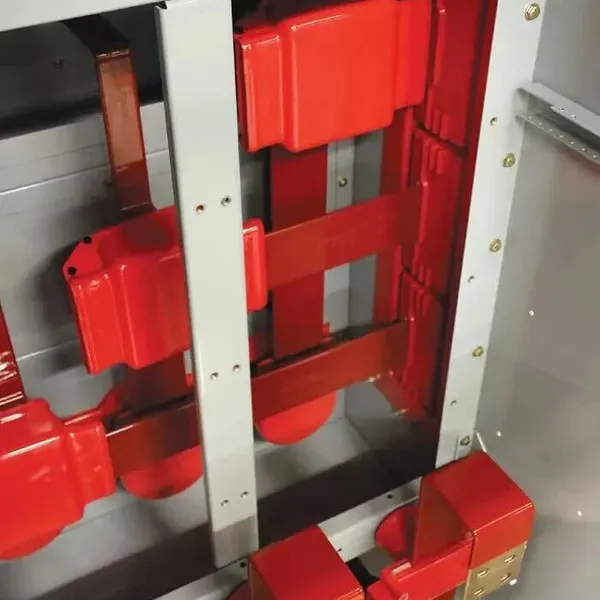 Read More

Contact Us
Recommended Products
-
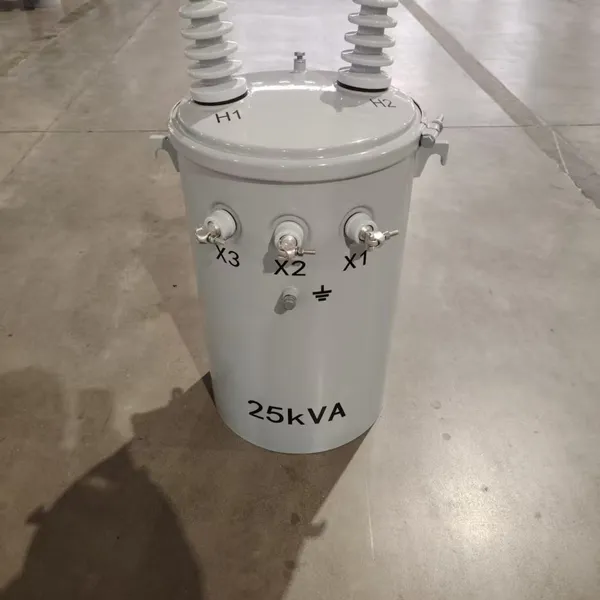
 Single Phase Oil Immersed Transformer 10KVA 15KVA 25KVA 37.5KVA Standard CompliantNegotiableMOQ: 2 Units
 -
Electrical Arc Furnace Transformers up to 120MVA - Certified for Steel Industry ApplicationsUS$ 8000 - 10000MOQ: 1 Unit
-
3-Phase Oil Type Transformer 5-Year Warranty With Load Test ReportUS$ 5428 - 5628MOQ: 1 Unit
-
Three Phase Oil Filled Transformer for Mining Operations Dust-Proof DesignUS$ 5428 - 5628MOQ: 1 Unit
-
HV Three Phase Oil Filled Transformer With ONAN Cooling 500kVA-2500kVAUS$ 5428 - 5628MOQ: 1 Unit
-
11/24/33KV High Voltage Isolation Switch With Mill Test ReportUS$ 800MOQ: 1 Unit
-
3-Pole Outdoor Isolation Switch With 5-Year Warranty and Compliance TestingUS$ 800MOQ: 1 Unit
-
YH5WZ 3KV-110KV Zinc Oxide Arrester for Power Station Outdoor High Voltage DistributionUS$ 21MOQ: 100 Units
-
Outdoor SF6 Load Break Switch LW30-72.5/1250A 24KV 630A 16KA Three PhaseUS$ 10000MOQ: 1 Unit
-
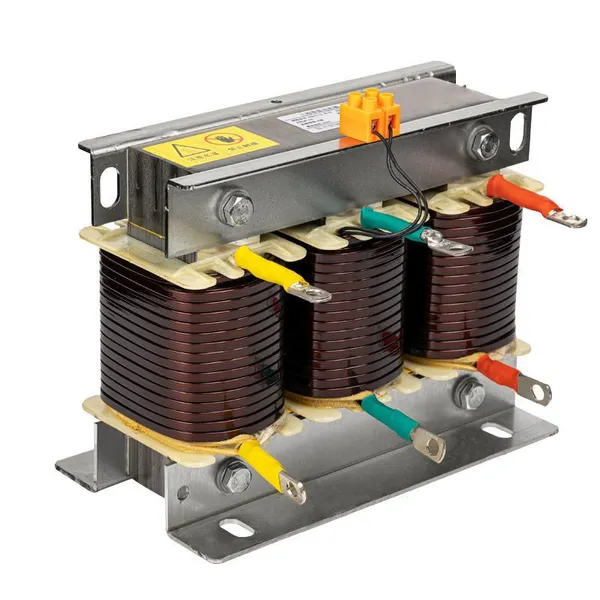
Input Line Reactor for CNC Machine Frequency Converters, 400V 60HzUS$ 65MOQ: 5 Units
-
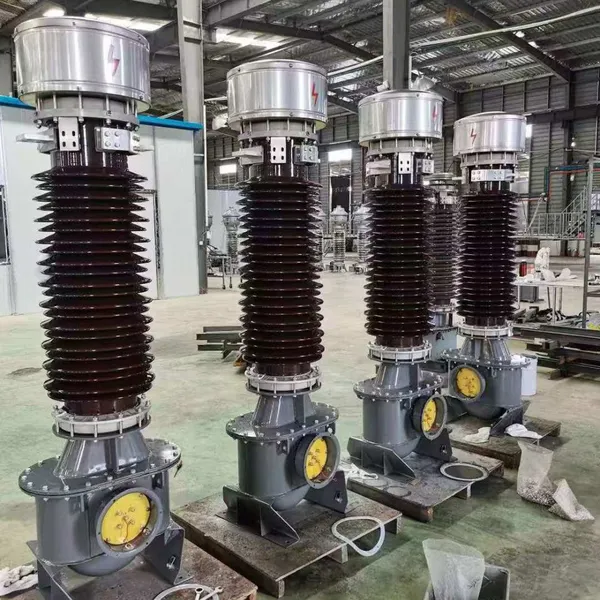
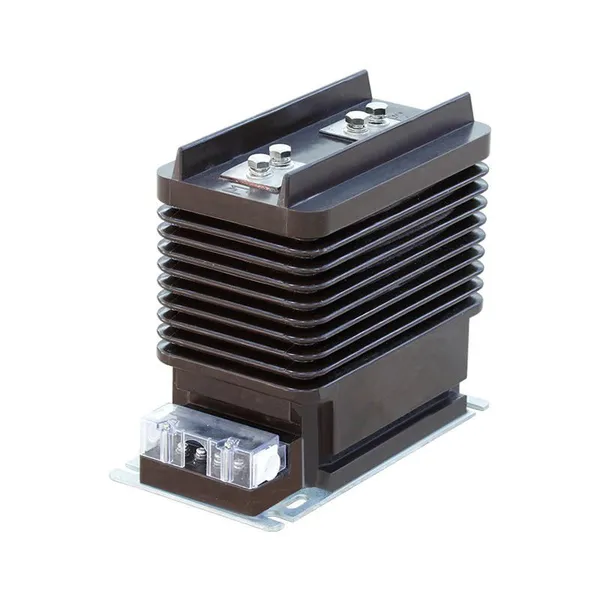
Industrial Grade 35-220KV Oil-Immersed Current Transformer for SubstationsUS$ 480 - 500MOQ: 3 Units
-
LZZBJ9-20 Indoor 24kV High Voltage Cabinet Single-Phase 5-20 for Industrial Power SystemsUS$ 250MOQ: 3 Units
-
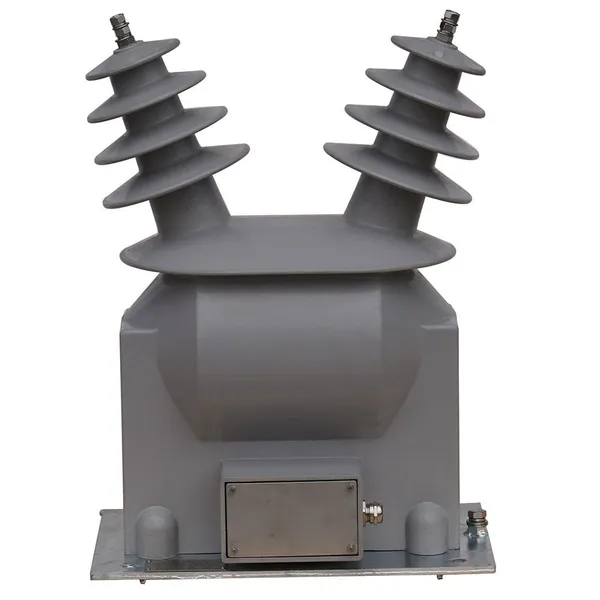
17.5 KV Full-enclosed Outdoor Epoxy Resin Casting and Double Pole Insulated Voltage TransformerUS$ 90 - 100MOQ: 1 Piece
-
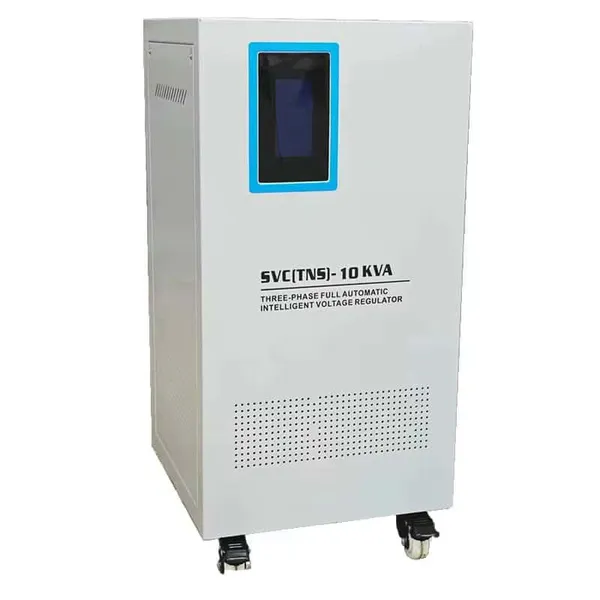
Three Phase 30kVA SVC Voltage Regulator for Textile Manufacturing, Stable OutputUS$ 159MOQ: 10 Units
-
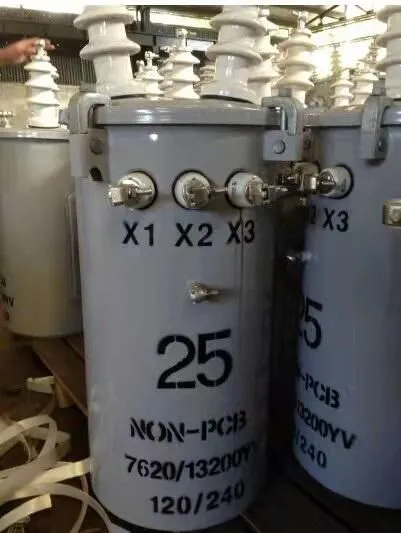
Amorphous Core 25kVA Transformer Compliant With IEC Standards for Power DistributionUS$ 1300 - 2900MOQ: 2 Units
-
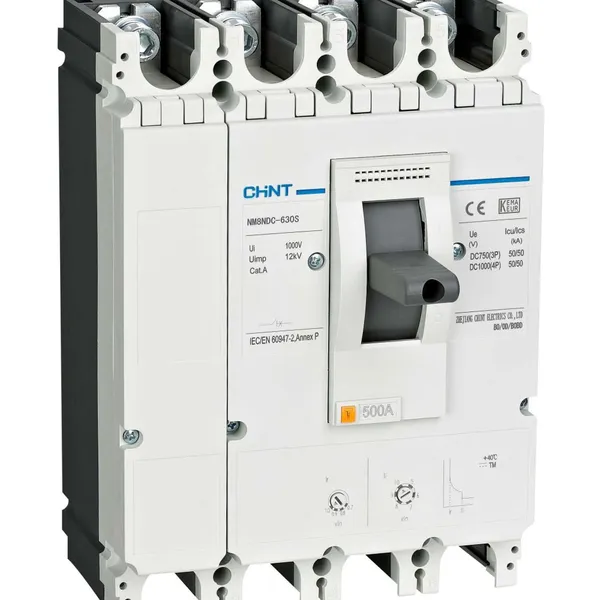
CHINT NM8NDC-630 DC 1000V/Ui High-Voltage Circuit Breaker With 630A Frame CurrentUS$ 425 - 625MOQ: 100 Units
-
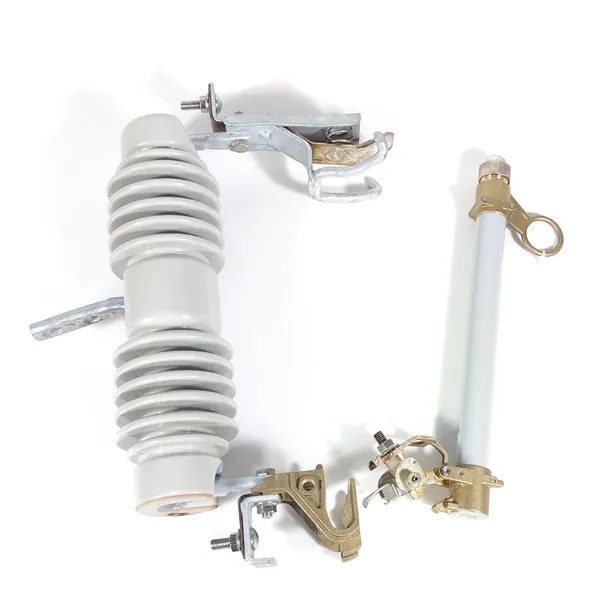
High Voltage Drop Out Fuse Cutout 33KV 27KV 24KV for Overhead LinesUS$ 35MOQ: 100 Units
-
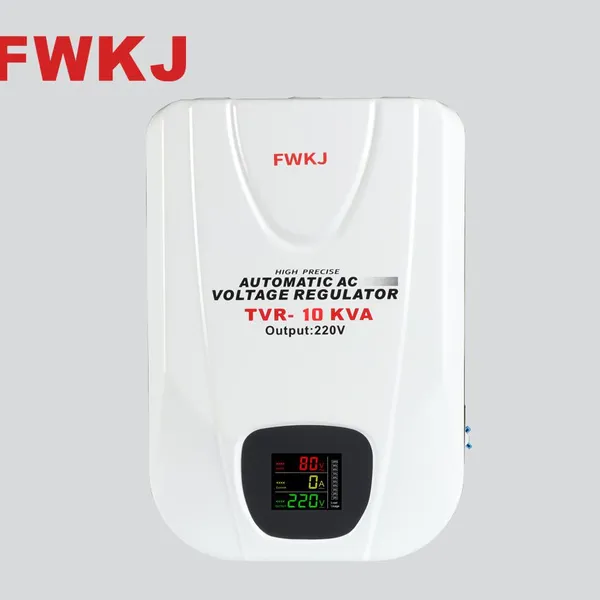
TVR-10 KVA Automatic Voltage Stabilizer 220V ±0.5% Accuracy for Laboratory InstrumentsUS$ 103 - 123MOQ: 1 Unit
-
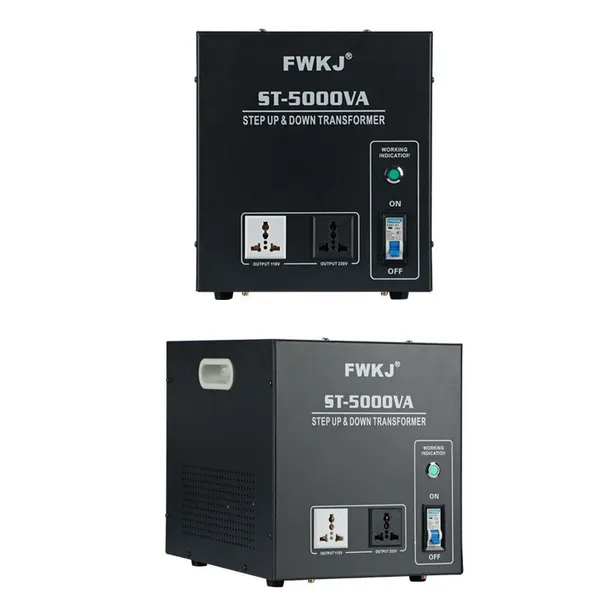
Universal 5000VA Voltage Transformer for International Appliances 110V-220VUS$ 102 - 107MOQ: 10 Units
-
500kV Three-Phase Oil-Immersed Auto Transformer 250MVA for Power GridsUS$ 800 - 9000MOQ: 1 Unit