
 Business License

The problem of solid insulation
For solid insulation, we sometimes rely heavily on it, thinking that with solid insulation, we can easily meet insulation requirements. However, problems often arise where the performance may not be obvious at low voltages, and insulation failure is more likely to occur at higher voltages.
When the applied voltage reaches a certain threshold, the electric field strength in the space near the electrode with a smaller curvature radius first reaches the initial field strength E0, resulting in collision ionization, electron avalanche, and even streamer discharge in this local area. This partial discharge that only occurs in the strong field region, that is, the space near the small curvature half diameter electrode, is called corona discharge.
In an extremely non-uniform electric field, discharge must start from the surface of the electrode with the smaller curvature radius, regardless of the polarity of that electrode. The discharge in an extremely non-uniform electric field exhibits significant polarity effects. The "rod plate" air gap with extremely uneven electric field has a negative polarity breakdown voltage higher than the positive polarity breakdown voltage.
The tip mainly refers to thin walls, protrusions, burrs, and other places, such as aluminum alloy heating plates. If the plate is thin and close to the charged body, it is easy to discharge with high voltage. In this case, a distance of more than 125mm from 12kV is not enough. The same applies to high current pole heat sinks, as well as installation plates for through wall sleeves and contact boxes. Previously, CNC step punching was used to form them, with pointed edges between circular holes and edges that need to be avoided.
For insulation, especially medium voltage switchgear and circuit breakers, it is well known that the three interfaces where insulation components are installed have the highest electric field strength.
Do not use CNC punching machine steps to punch the installation holes, which may cause tooth shaped edges. They should be as smooth as possible.
Solid insulation is equivalent to two different insulation media connected in series under an electric field. The voltage is divided by the capacitance of each medium, and the electric field strength is calculated based on the divided voltage. If capacitors of the same size have a high dielectric constant and capacitance, the voltage divider will be small. That is to say, solid insulation, which should have been the main force, can withstand a small voltage, which increases the voltage that air insulation needs to withstand. However, the electric field strength exceeds the allowable electric field strength of air insulation, causing breakdown.
An extreme example is as follows: the distance between the electrode inside the pole and the insulation cylinder is 5mm, the thickness of the epoxy resin insulation layer is 15mm, and the distance between the pole and the mechanism box is 50mm. The simple calculation is as follows: air distance 5+50=55mm, 40.5kV 185kV impulse withstand voltage, calculated based on the dielectric constant of the epoxy resin of 4.5, the divided voltage between the air is 185/(55 × 4.5+15 × 1) × (55 × 4.5)=174.4kV.
That is to say, a 15mm thick epoxy resin insulation layer can only withstand a voltage of 10.6kV. As we all know, 40.5kV requires an air clearance distance of 300mm. Now, a distance of 55mm is not enough to withstand 174kV. 175/55=3.18kV, which exceeds the allowable voltage for air breakdown and will discharge. We need to increase the air gap and cannot rely on solid insulation. At this point, areas with concentrated electric field strength such as the tip will inevitably cause discharge.
Partial discharge is also caused by high electric field strength due to capacitive voltage division, resulting in repeated breakdown discharge. Partial discharge refers to the discharge phenomenon that occurs in a local area of an insulator under the action of an electric field, while the overall part of the insulator does not undergo through discharge and still maintains its insulation performance. Under an alternating electric field, the distribution of electric field strength is inversely proportional to the dielectric constant. So, if there are bubbles in a solid medium, the dielectric constant of air is about 1/4 of that of insulating materials. Therefore, the electric field strength inside the bubble is higher than that of the surrounding medium, and the breakdown strength of the bubble is much lower than that of the solid. Therefore, the bubble discharges first, while other media still maintain insulation properties, which forms partial discharge.
As the voltage increases, PD of the same size becomes more severe. This is partly due to the increasing stress in larger voltage devices, partly due to the availability of more voltage, and partly due to geometric shapes. The rough rule may be to linearly weight the voltage level. Therefore, a discharge of 50pC in a 33kV system is three times more destructive than a discharge of the same size in an 11kV system.
Recently Posted
-
Transformer Factory Tests: Routine, Type and Special Tests Explained
August 28, 2026An importer once accepted a transformer shipment without reading the test report, only to find the unit failed on site because its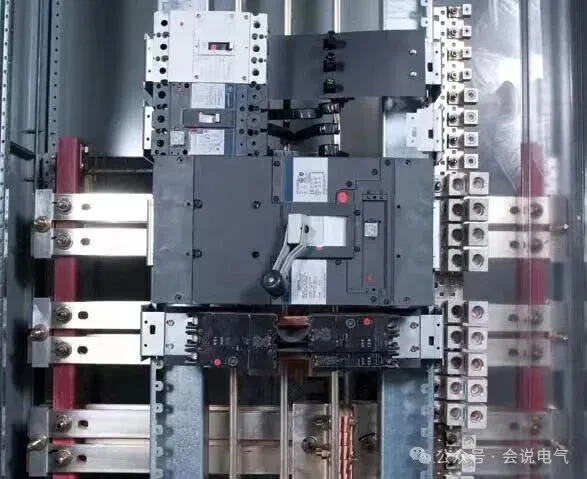 Read More
 -
UL891 distribution panel
August 28, 2026Switchgear and separately separated distribution panels require a rear channel for connecting incoming and outgoing feeder cables.
Read More -
Oil-Immersed Transformers for Solar PV Power Plants
August 27, 2026A solar developer once watched a new plant lose several weeks of generation because the transformer feeding the grid connection fa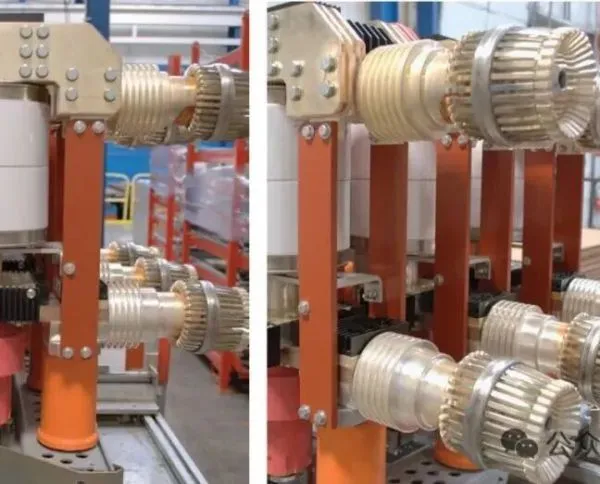 Read More
 -
Dry-Type vs Oil-Immersed Transformer: How to Choose
August 26, 2026A facilities engineer once had to shut down a hospital wing because the transformer serving it leaked oil onto the floor below. Th Read More

Contact Us
Recommended Products
-
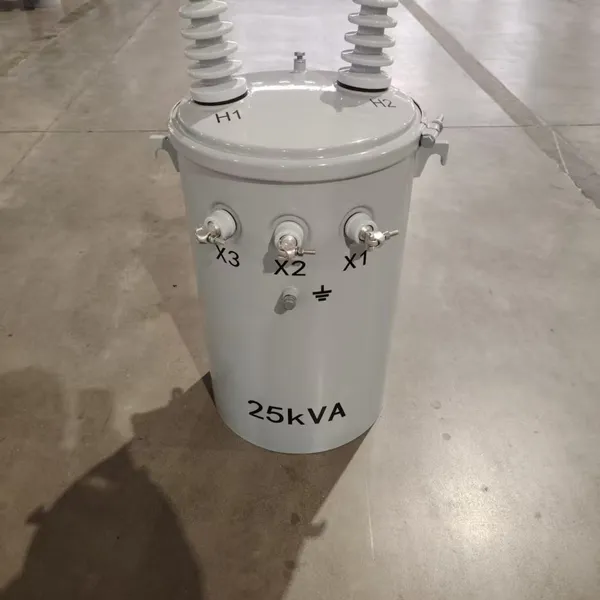
 Single Phase Oil Immersed Transformer 10KVA 15KVA 25KVA 37.5KVA Standard CompliantNegotiableMOQ: 2 Units
 -
Electrical Arc Furnace Transformers up to 120MVA - Certified for Steel Industry ApplicationsUS$ 8000 - 10000MOQ: 1 Unit
-
3-Phase Oil Type Transformer 5-Year Warranty With Load Test ReportUS$ 5428 - 5628MOQ: 1 Unit
-
Three Phase Oil Filled Transformer for Mining Operations Dust-Proof DesignUS$ 5428 - 5628MOQ: 1 Unit
-
HV Three Phase Oil Filled Transformer With ONAN Cooling 500kVA-2500kVAUS$ 5428 - 5628MOQ: 1 Unit
-
11/24/33KV High Voltage Isolation Switch With Mill Test ReportUS$ 800MOQ: 1 Unit
-
3-Pole Outdoor Isolation Switch With 5-Year Warranty and Compliance TestingUS$ 800MOQ: 1 Unit
-
YH5WZ 3KV-110KV Zinc Oxide Arrester for Power Station Outdoor High Voltage DistributionUS$ 21MOQ: 100 Units
-
Outdoor SF6 Load Break Switch LW30-72.5/1250A 24KV 630A 16KA Three PhaseUS$ 10000MOQ: 1 Unit
-
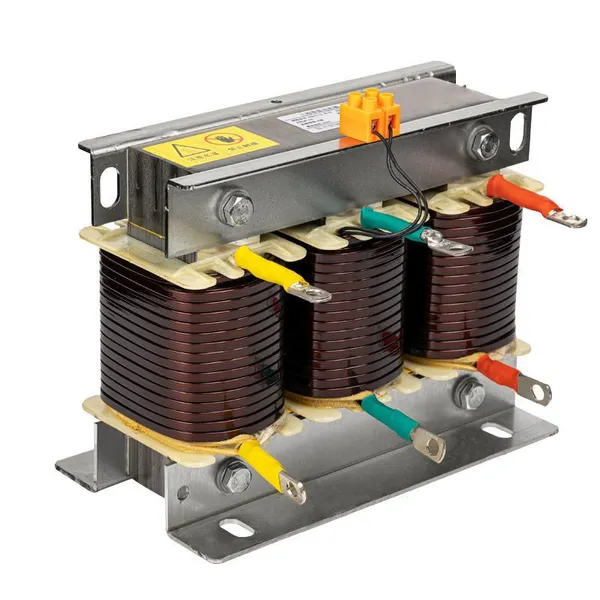
Input Line Reactor for CNC Machine Frequency Converters, 400V 60HzUS$ 65MOQ: 5 Units
-
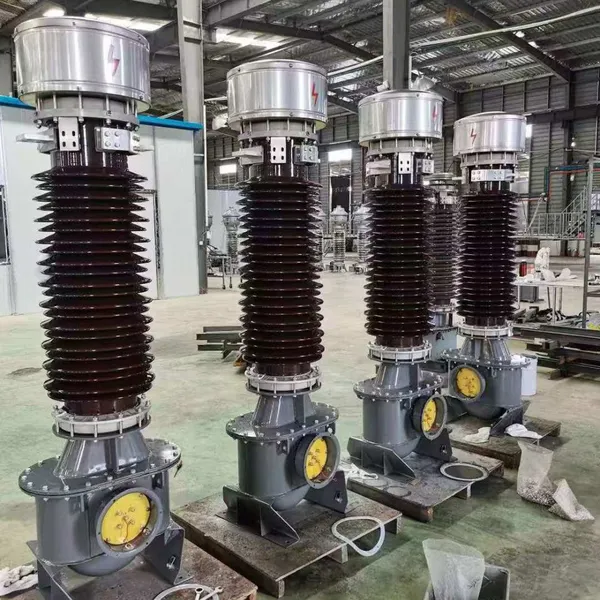
Industrial Grade 35-220KV Oil-Immersed Current Transformer for SubstationsUS$ 480 - 500MOQ: 3 Units
-
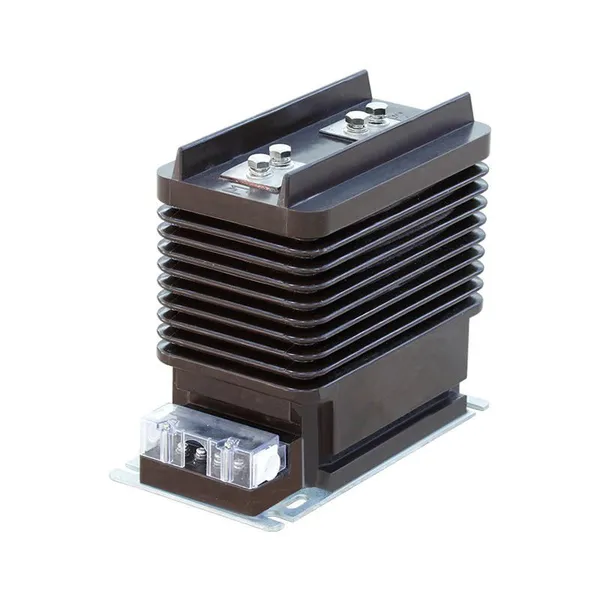
LZZBJ9-20 Indoor 24kV High Voltage Cabinet Single-Phase 5-20 for Industrial Power SystemsUS$ 250MOQ: 3 Units
-
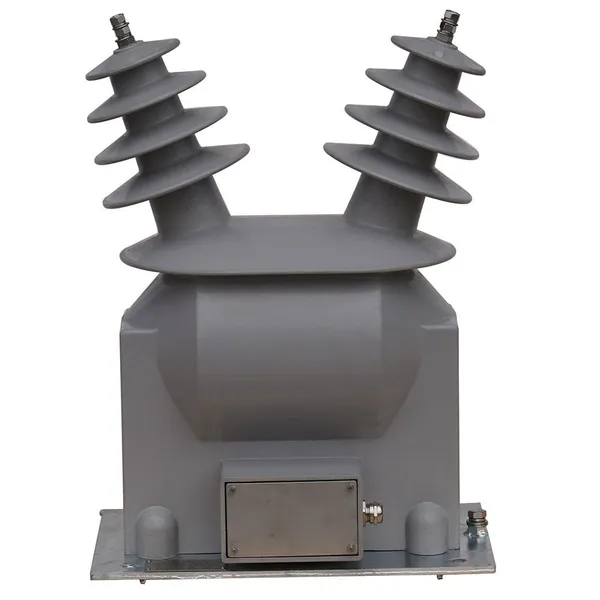
17.5 KV Full-enclosed Outdoor Epoxy Resin Casting and Double Pole Insulated Voltage TransformerUS$ 90 - 100MOQ: 1 Piece
-
Three Phase 30kVA SVC Voltage Regulator for Textile Manufacturing, Stable OutputUS$ 159MOQ: 10 Units
-
Amorphous Core 25kVA Transformer Compliant With IEC Standards for Power DistributionUS$ 1300 - 2900MOQ: 2 Units
-
CHINT NM8NDC-630 DC 1000V/Ui High-Voltage Circuit Breaker With 630A Frame CurrentUS$ 425 - 625MOQ: 100 Units
-
High Voltage Drop Out Fuse Cutout 33KV 27KV 24KV for Overhead LinesUS$ 35MOQ: 100 Units
-
TVR-10 KVA Automatic Voltage Stabilizer 220V ±0.5% Accuracy for Laboratory InstrumentsUS$ 103 - 123MOQ: 1 Unit
-
Universal 5000VA Voltage Transformer for International Appliances 110V-220VUS$ 102 - 107MOQ: 10 Units
-
500kV Three-Phase Oil-Immersed Auto Transformer 250MVA for Power GridsUS$ 800 - 9000MOQ: 1 Unit