
 Business License

UL1558 Low Voltage Switchgear
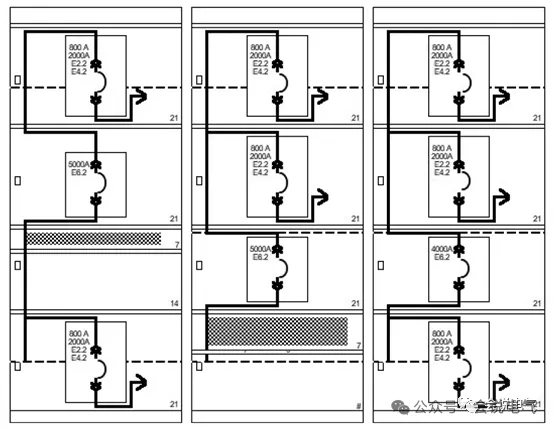
UL1558 low-voltage switchgear complies with IEEE C37.20.1 standard. The switchgear is designed with four compartments from top to bottom, with a compartment height of 21 inches. Different circuit breaker specifications are assembled together. The position of the main busbar is flexible and can be arranged vertically, horizontally, and vertically.
The control circuit unit is installed nearby around the circuit breaker, including opening and closing auxiliary switches, handcart position auxiliary switches, and secondary connections. The standard structure provides a metal instrument panel above each circuit breaker compartment. This panel is used to install various control circuit devices. The fuses for the circuit breaker closing and tripping circuits are installed in the front bayonet type fuse holder. Indicator lights, instruments, etc. are generally not installed on the door panel of the circuit breaker compartment.
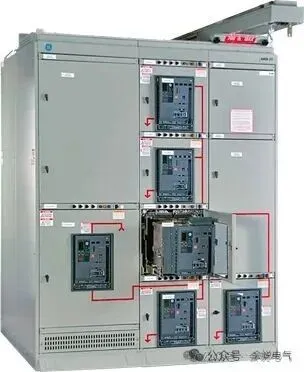
Up to three indicator lights can be installed on the panel, and the lights can be replaced from the front. The toggle switch used to test the closing and tripping circuits of circuit breakers can also be installed on the panel. The panel is detachable for easy access to the wiring terminals. A switch can also be installed on the panel to reduce the allowable current and arc energy, making it convenient for nearby maintenance and operation of the circuit breaker's outgoing circuit. The panel also provides engraved circuit nameplates for the circuit breaker.
If the detachable component is composed of a circuit breaker with a fuse, the accessibility of the fuse can only be accessed when the detachable component is withdrawn to the testing, disconnection, or withdrawal position.
The compartment can be used to accommodate equipment such as voltage transformers, metering, control power transformers, and monitoring devices. The voltage transformer and control power transformer are installed in the auxiliary compartment. These transformers are protected by primary pull-out current limiting fuses and secondary fuses. Current transformers are usually installed on the main isolation screw of the compartment for easy access.
The interchangeability of detachable components: All detachable components of the same type and rating in a given component should be physically interchangeable in the corresponding fixed housing. This does not require electrical interchangeability of the secondary control circuit. Measures should be taken to prevent removable components with larger continuous current ratings from being inserted into circuit breaker compartments with smaller continuous current ratings and larger ones. Measures should be taken to prevent removable components with lower short-circuit current ratings from being inserted into circuit breaker compartments with higher short-circuit current ratings.
The fuse is located on a separate detachable component
The current limiting fuse can be installed on a separate detachable component. The requirements of 7.11.4 apply to these components, and in addition, these components can only be used in series with circuit breakers. The fuses on these detachable components should be interlocked so that they must be disconnected from the main circuit before entering. Interlocking of circuit breakers and their related fuses should be provided to prevent connection or disconnection under load.
The control wiring connection between the fixed structure and detachable components of the secondary cutting device should be equipped with automatic (self coupling) contacts or manual plugs and sockets for disconnection. Manual control connectors should be interlocked or inaccessible to prevent the connection or disconnection of control circuits when detachable components are in the connected position. Unless a manual control connector is connected, detachable components should be prevented from being installed in the connected position. By manual arrangement, all connections should be able to be simultaneously connected to the main contacts on detachable components and the female sockets on fixed structures.
The total area of the net wiring space independent of all protrusions, obstacles, or moving parts interfering with the cable connection space shall not be less than 250% of the total cross-sectional area of the maximum number of cables that may be used in that space.
Recently Posted
-
IEC 17.5kV Circuit Breaker Test
September 3, 2026IEC standards and GB standards are relatively close, with the vast majority of parameters requiring GB standards to be equivalent Read More
 -
The relationship between busbar shape, current carrying capacity, and heat generation
September 2, 2026Principles for selecting busbar specifications for low-voltage switchgear1) Due to the low insulation voltage, the clear distance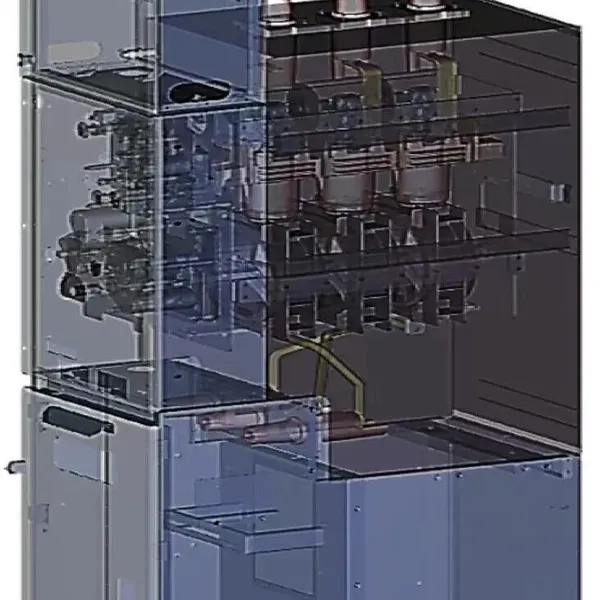 Read More
 -
Design of American standard medium voltage switchgear
September 2, 2026Product development requires a solid and serious approach. Firstly, the customer's demand is for authentic American standard a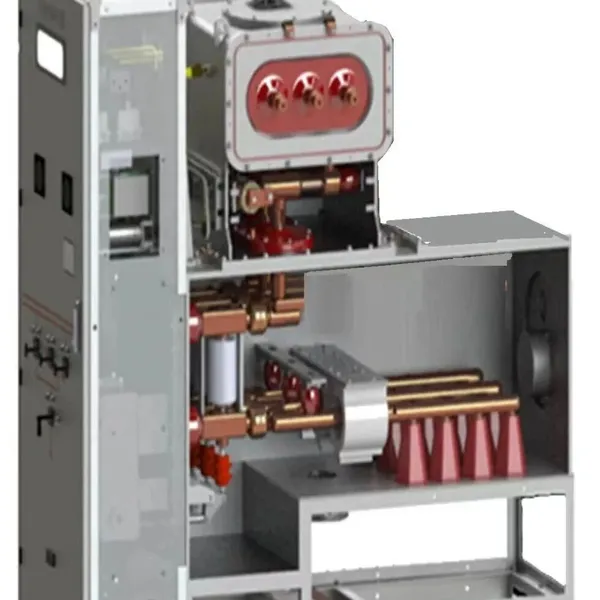 Read More
 -
Jinhua Dika Electrical Equipment: Manufacturing Transformers and Switchgear in Zhejiang, China
August 31, 2026When a buyer starts looking for a transformer or a complete switchgear set, the hardest part is often not the specification. It is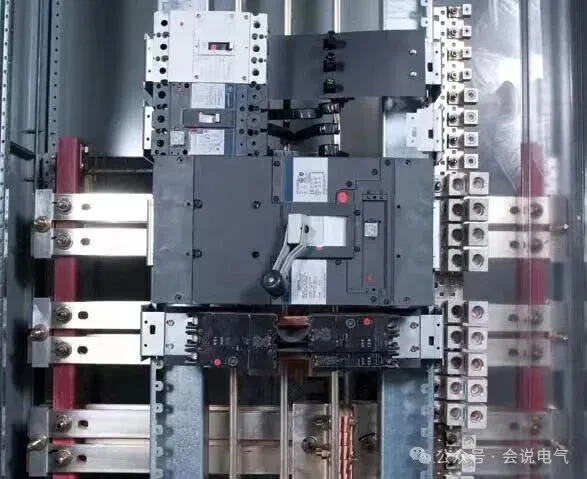 Read More

Contact Us
Recommended Products
-
 Single Phase Oil Immersed Transformer 10KVA 15KVA 25KVA 37.5KVA Standard CompliantNegotiableMOQ: 2 Units
 -
Electrical Arc Furnace Transformers up to 120MVA - Certified for Steel Industry ApplicationsUS$ 8000 - 10000MOQ: 1 Unit
-
3-Phase Oil Type Transformer 5-Year Warranty With Load Test ReportUS$ 5428 - 5628MOQ: 1 Unit
-
Three Phase Oil Filled Transformer for Mining Operations Dust-Proof DesignUS$ 5428 - 5628MOQ: 1 Unit
-
HV Three Phase Oil Filled Transformer With ONAN Cooling 500kVA-2500kVAUS$ 5428 - 5628MOQ: 1 Unit
-
11/24/33KV High Voltage Isolation Switch With Mill Test ReportUS$ 800MOQ: 1 Unit
-
3-Pole Outdoor Isolation Switch With 5-Year Warranty and Compliance TestingUS$ 800MOQ: 1 Unit
-
YH5WZ 3KV-110KV Zinc Oxide Arrester for Power Station Outdoor High Voltage DistributionUS$ 21MOQ: 100 Units
-
Outdoor SF6 Load Break Switch LW30-72.5/1250A 24KV 630A 16KA Three PhaseUS$ 10000MOQ: 1 Unit
-
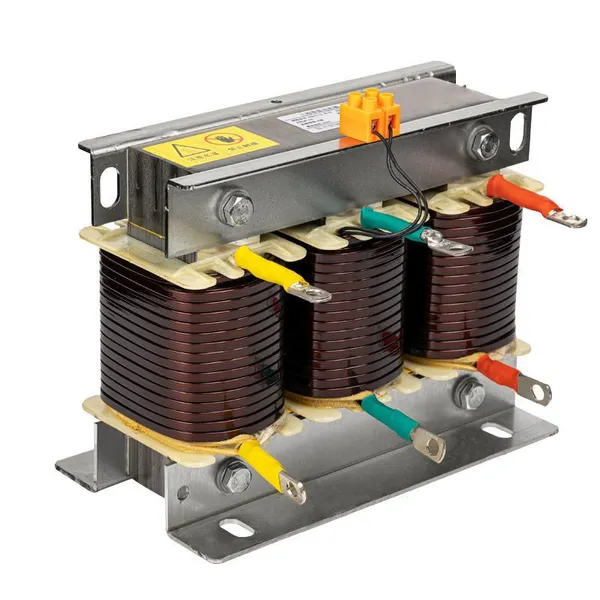
Input Line Reactor for CNC Machine Frequency Converters, 400V 60HzUS$ 65MOQ: 5 Units
-
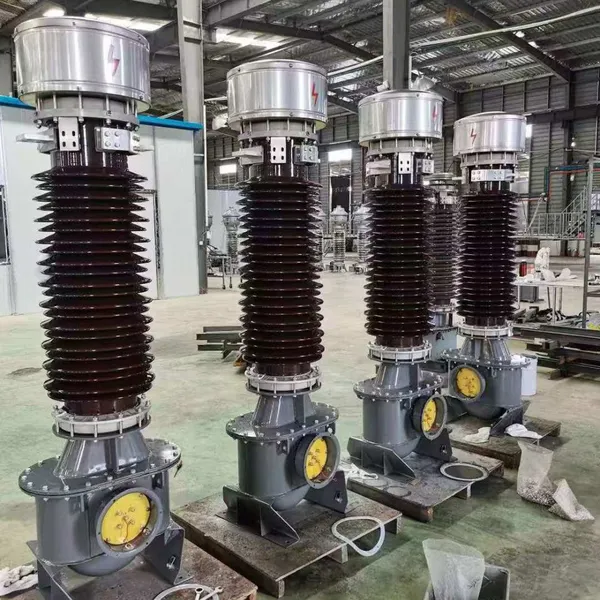
Industrial Grade 35-220KV Oil-Immersed Current Transformer for SubstationsUS$ 480 - 500MOQ: 3 Units
-
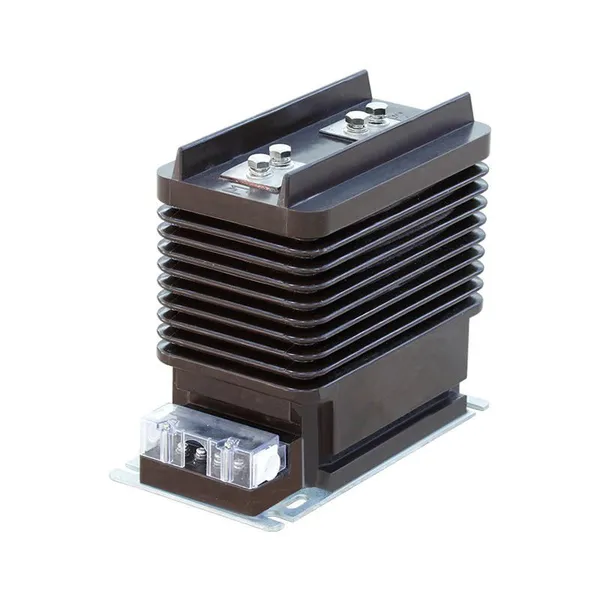
LZZBJ9-20 Indoor 24kV High Voltage Cabinet Single-Phase 5-20 for Industrial Power SystemsUS$ 250MOQ: 3 Units
-
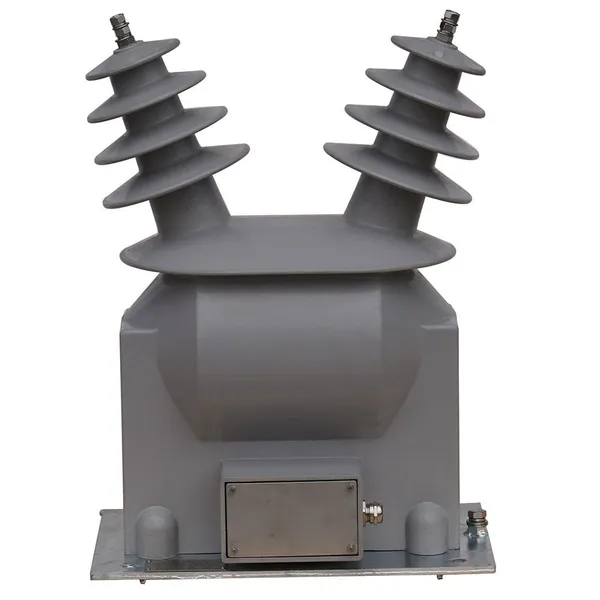
17.5 KV Full-enclosed Outdoor Epoxy Resin Casting and Double Pole Insulated Voltage TransformerUS$ 90 - 100MOQ: 1 Piece
-
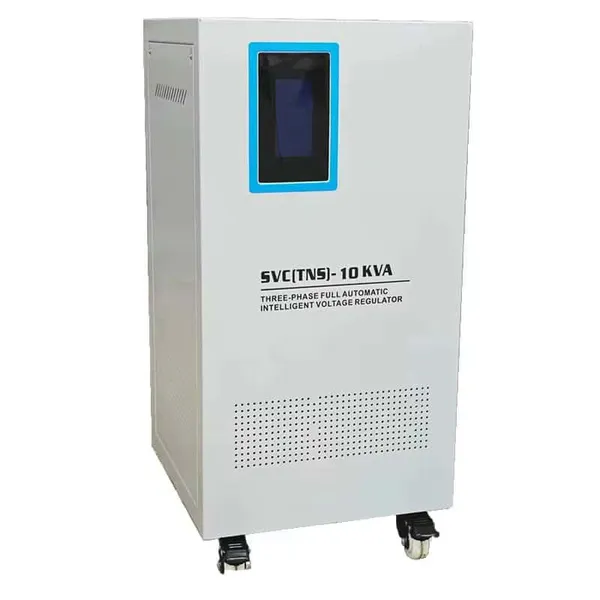
Three Phase 30kVA SVC Voltage Regulator for Textile Manufacturing, Stable OutputUS$ 159MOQ: 10 Units
-
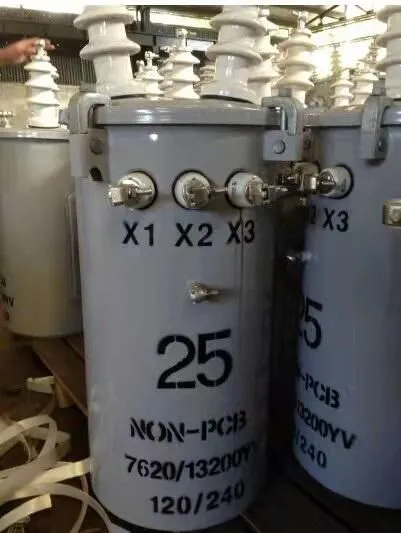
Amorphous Core 25kVA Transformer Compliant With IEC Standards for Power DistributionUS$ 1300 - 2900MOQ: 2 Units
-
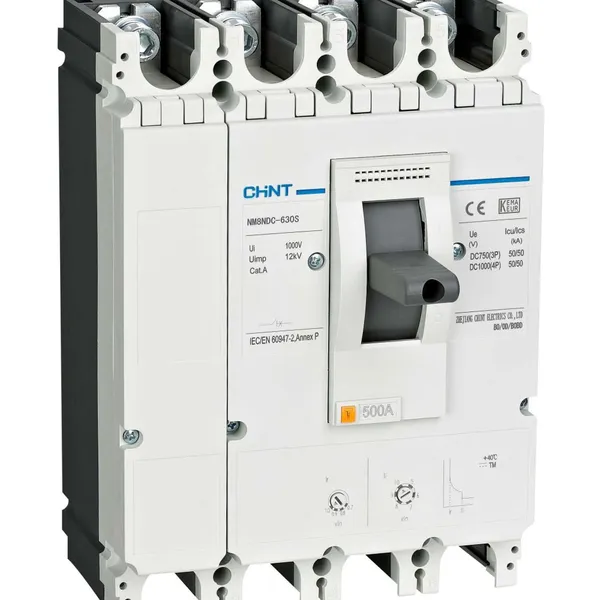
CHINT NM8NDC-630 DC 1000V/Ui High-Voltage Circuit Breaker With 630A Frame CurrentUS$ 425 - 625MOQ: 100 Units
-
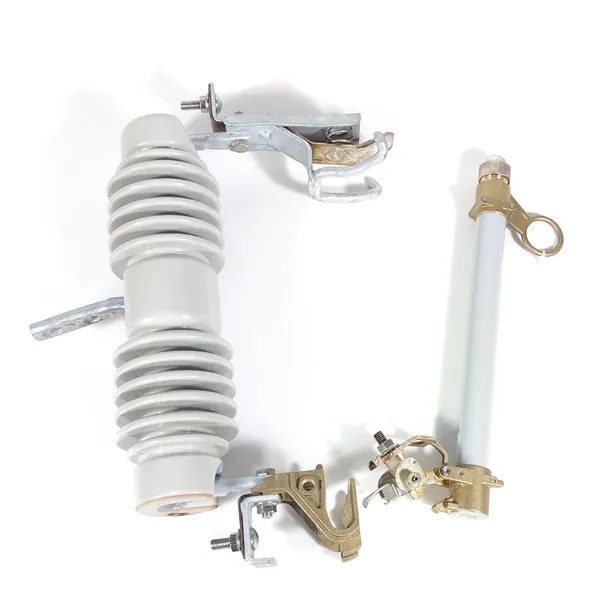
High Voltage Drop Out Fuse Cutout 33KV 27KV 24KV for Overhead LinesUS$ 35MOQ: 100 Units
-
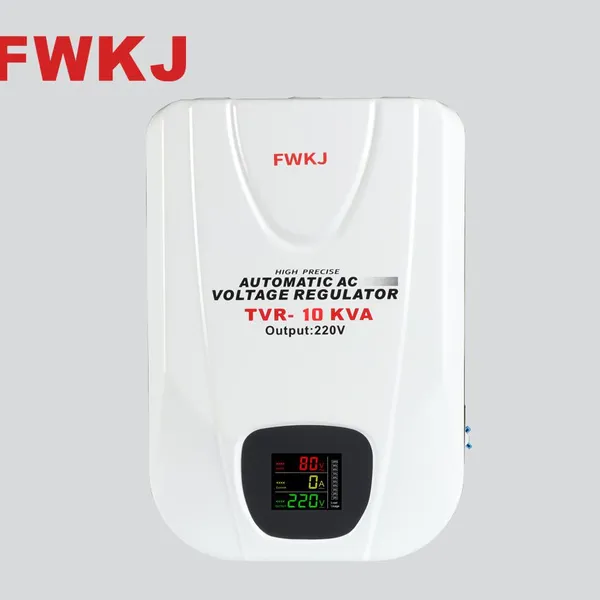
TVR-10 KVA Automatic Voltage Stabilizer 220V ±0.5% Accuracy for Laboratory InstrumentsUS$ 103 - 123MOQ: 1 Unit
-
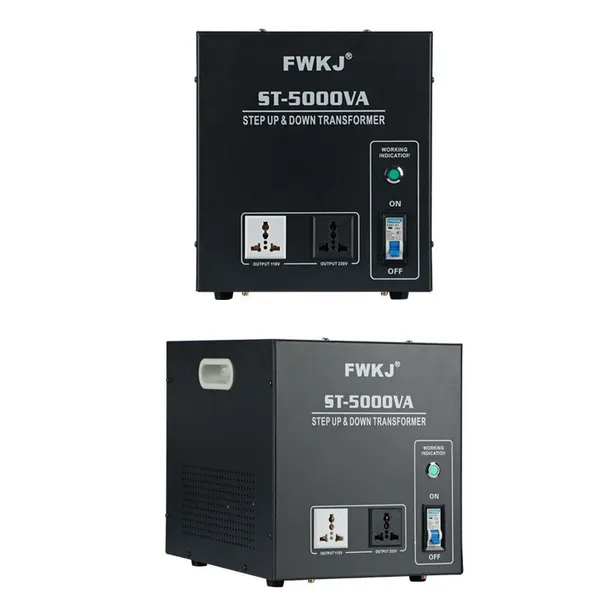
Universal 5000VA Voltage Transformer for International Appliances 110V-220VUS$ 102 - 107MOQ: 10 Units
-
500kV Three-Phase Oil-Immersed Auto Transformer 250MVA for Power GridsUS$ 800 - 9000MOQ: 1 Unit