
 Business License

Internal arc fault pressure release device
The internal arc fault test of medium voltage switchgear used to require the installation of a simulated ceiling 600mm away from the top of the switchgear for testing. However, the new standard has removed this requirement. If the simulated ceiling is not installed on the test site, that is, if the laboratory top is more than 2 meters away from the switchgear pressure relief cover plate, the pressure relief cover plate can be opened directly, and the arc can be directly sprayed upwards. Even if it bounces back to the top, it generally will not ignite the level indicator.
If a simulated ceiling is required to be installed 600mm away from the top of the cabinet, spraying directly upwards from the top of the switchgear will cause the indicator to rebound and ignite, which is a highly probable occurrence.
However, domestic customers generally do not have the space for the internal arc of the switchgear to be released outside the building. The internal arc of the switchgear can only be released inside the building, and direct release will rebound and ignite the indicator. Domestic customers generally cannot accept the design of installing baffles on the top of the cabinet, front, back, left, and right. Therefore, a solution must be designed to meet the above problems.
The specific requirements are as follows:
1. Prevent the arc from rebounding and igniting the level indicator to ensure the test passes.
2. As an integral part of the switchgear, it is necessary to provide integrated supply in actual projects, rather than adding additional equipment.
In addition, the solution should not affect the temperature rise of the switchgear, especially the heat dissipation of high current switchgear; The plan cannot delay the release of pressure and additionally increase the destructive pressure that the cabinet can withstand.
It should be clarified that the solution to the device is to ensure that the sprayed flame will not ignite the level indicator, smoothly pass the arc test, and ensure the safety of the operators in front and on the side of the cabinet. It is not a restriction on flame spraying. Flame spraying is prohibited in industrial specific places, such as some chemical and coal mines, where open flames are prohibited. Even if internal arc faults occur, flame spraying is not allowed. This requires special design, and switch cabinets also require higher strength cabinets.
Installing a buffer compartment on the top of the switchgear is a simple and feasible method. The height of the buffer compartment needs to ensure that the pressure release plate on the top of the cabinet can be opened normally, that is, when an internal arc fault occurs, the pressure release plate is opened by the internal arc shock wave as soon as possible, thereby quickly releasing pressure and reducing further impact on the cabinet structure.
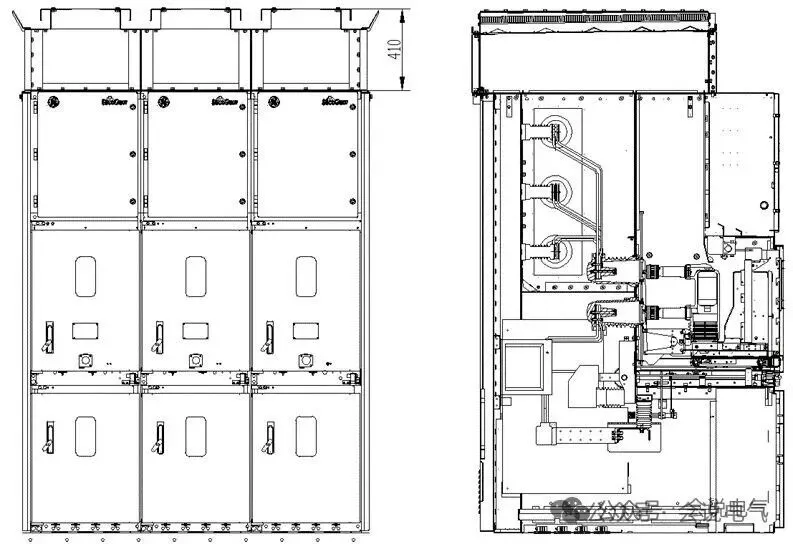
After the pressure is released into the buffer compartment, it is first diluted by the large volume of the buffer compartment, especially when there are many switch cabinets in a row, the wider the width, the more obvious the dilution effect.
Entering the buffer compartment does not solve the problem, and it needs to be released to a larger space outside the switchgear. If the pressure release plate form is continued, on the one hand, a large impact pressure is required. If the release plate is not in the direction directly reached by the shock wave, it is difficult to open, and the pressure will rebound into the cabinet, causing further damage to the switchgear.
On the other hand, during normal use, the buffer compartment is in a completely sealed state, which is not conducive to temperature rise and heat dissipation. The hot air needs to be released through the window. The hot air discharged from the top of all switchgear accumulates heat inside the sealed compartment and cannot be released.
Therefore, adopting a two-sided ventilation method can prevent the arc from directly spraying upwards and rebounding. For example, this method is used for marine switchgear, effectively reducing the ceiling height of the switchgear installation room.
Experimental verification shows that for the internal arc fault test of IAC AFLR 31.5kA 1s, the above scheme can pass the test smoothly without causing combustion to the level indicator. The temperature rise of the switchgear is not affected and is suitable for engineering use.
Recently Posted
-
Quality of high-end switchgear
July 30, 2026Not afraid of trouble, our current switchgear has cancelled the originally excellent design for industrial production and cost red Read More
 -
Special Design of 36kV Switchgear
July 29, 2026The IEC standard requires a 36kV power frequency withstand voltage of 70kV and a lightning impulse withstand voltage of 170kV. The Read More
 -
American standard 38kV environmentally friendly distribution equipment
July 28, 2026Both the state of London and California in the United States are implementing SF6 bans as planned to control temperature rise effe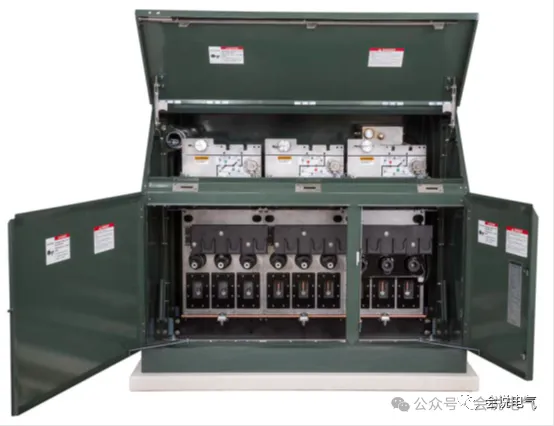 Read More
 -
Application of switchgear ring network
July 27, 2026When it comes to ring main units, they are gas insulated compact switchgear with a rated current of 630A and a short-circuit curre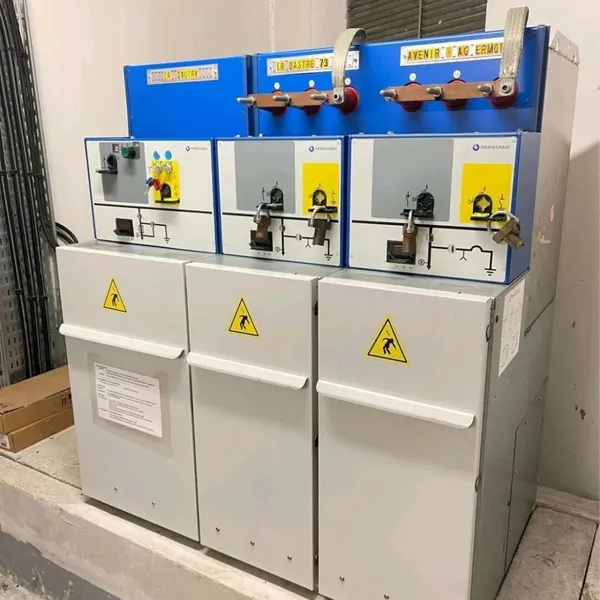 Read More

Contact Us
Recommended Products
-
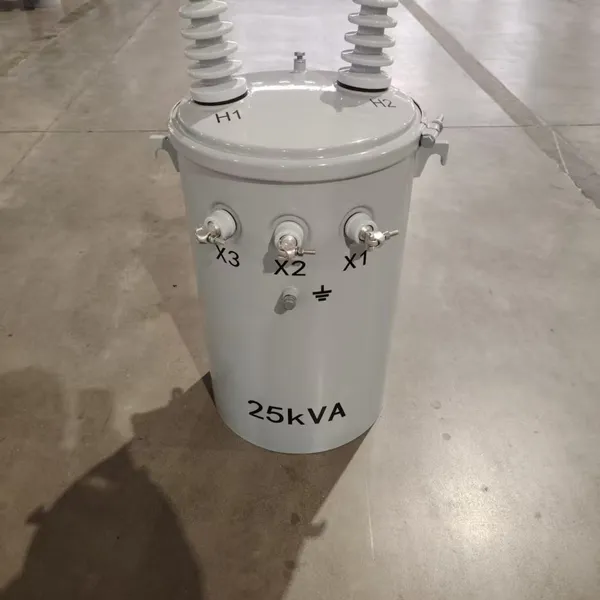
 Single Phase Oil Immersed Transformer 10KVA 15KVA 25KVA 37.5KVA Standard CompliantNegotiableMOQ: 2 Units
 -
Electrical Arc Furnace Transformers up to 120MVA - Certified for Steel Industry ApplicationsUS$ 8000 - 10000MOQ: 1 Unit
-
3-Phase Oil Type Transformer 5-Year Warranty With Load Test ReportUS$ 5428 - 5628MOQ: 1 Unit
-
Three Phase Oil Filled Transformer for Mining Operations Dust-Proof DesignUS$ 5428 - 5628MOQ: 1 Unit
-
HV Three Phase Oil Filled Transformer With ONAN Cooling 500kVA-2500kVAUS$ 5428 - 5628MOQ: 1 Unit
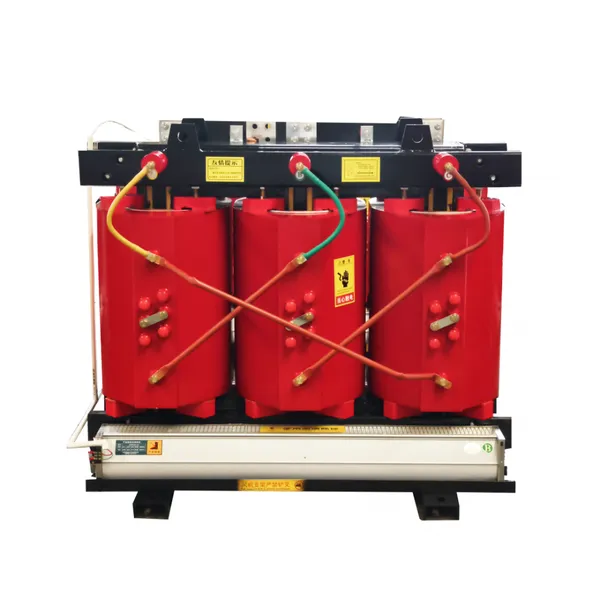
-
11/24/33KV High Voltage Isolation Switch With Mill Test ReportUS$ 800MOQ: 1 Unit
-
3-Pole Outdoor Isolation Switch With 5-Year Warranty and Compliance TestingUS$ 800MOQ: 1 Unit
-
YH5WZ 3KV-110KV Zinc Oxide Arrester for Power Station Outdoor High Voltage DistributionUS$ 21MOQ: 100 Units
-
Outdoor SF6 Load Break Switch LW30-72.5/1250A 24KV 630A 16KA Three PhaseUS$ 10000MOQ: 1 Unit
-
Input Line Reactor for CNC Machine Frequency Converters, 400V 60HzUS$ 65MOQ: 5 Units
-
Industrial Grade 35-220KV Oil-Immersed Current Transformer for SubstationsUS$ 480 - 500MOQ: 3 Units
-
LZZBJ9-20 Indoor 24kV High Voltage Cabinet Single-Phase 5-20 for Industrial Power SystemsUS$ 250MOQ: 3 Units
-
17.5 KV Full-enclosed Outdoor Epoxy Resin Casting and Double Pole Insulated Voltage TransformerUS$ 90 - 100MOQ: 1 Piece
-
Three Phase 30kVA SVC Voltage Regulator for Textile Manufacturing, Stable OutputUS$ 159MOQ: 10 Units
-
Amorphous Core 25kVA Transformer Compliant With IEC Standards for Power DistributionUS$ 1300 - 2900MOQ: 2 Units
-
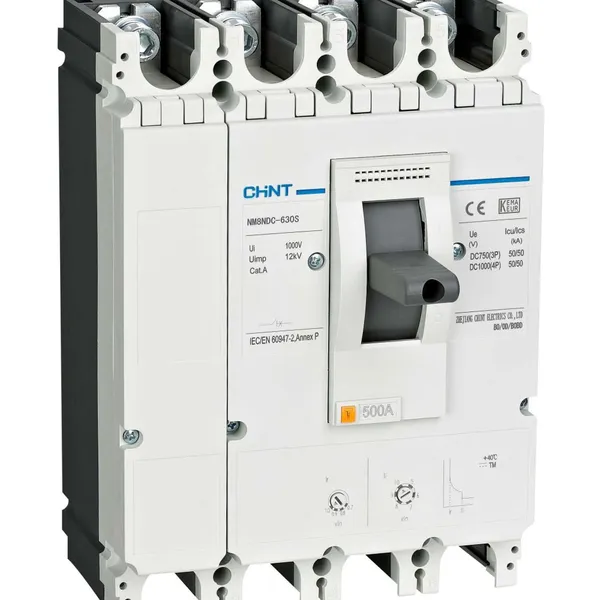
CHINT NM8NDC-630 DC 1000V/Ui High-Voltage Circuit Breaker With 630A Frame CurrentUS$ 425 - 625MOQ: 100 Units
-
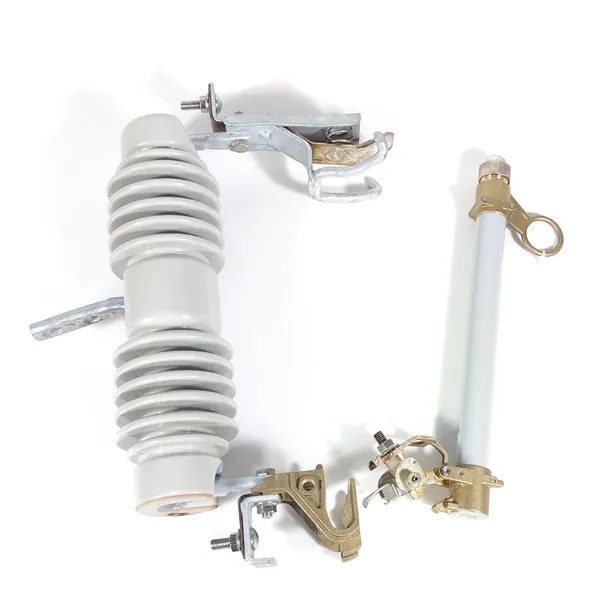
High Voltage Drop Out Fuse Cutout 33KV 27KV 24KV for Overhead LinesUS$ 35MOQ: 100 Units
-
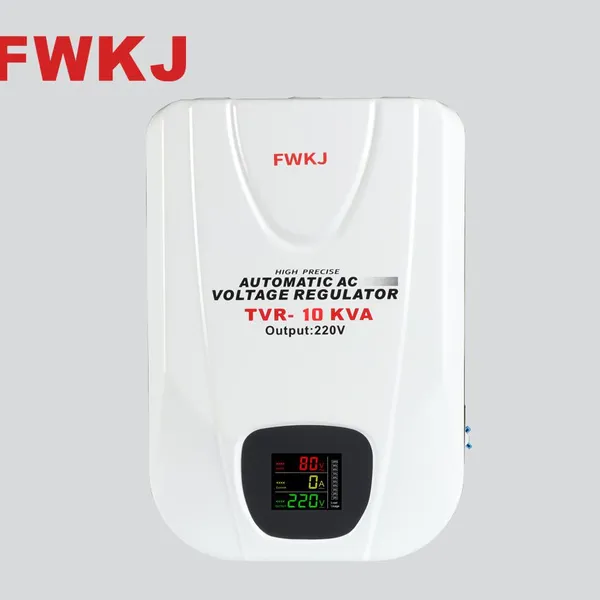
TVR-10 KVA Automatic Voltage Stabilizer 220V ±0.5% Accuracy for Laboratory InstrumentsUS$ 103 - 123MOQ: 1 Unit
-
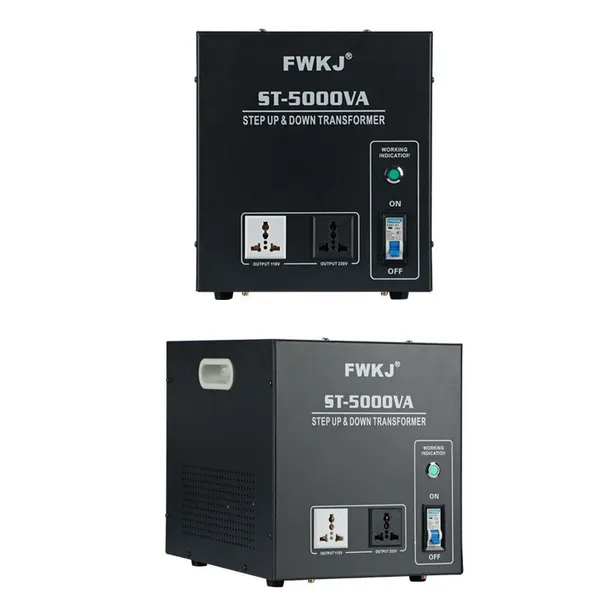
Universal 5000VA Voltage Transformer for International Appliances 110V-220VUS$ 102 - 107MOQ: 10 Units
-
500kV Three-Phase Oil-Immersed Auto Transformer 250MVA for Power GridsUS$ 800 - 9000MOQ: 1 Unit