
 Business License

Dry-Type vs Oil-Immersed Transformer: How to Choose
A facilities engineer once had to shut down a hospital wing because the transformer serving it leaked oil onto the floor below. The cleanup and downtime cost more than the unit itself, and the incident started with a single decision made years earlier: choosing the cheapest cooling option without checking where the transformer would actually live.
That choice, between a dry-type and an oil-immersed transformer, is one of the first and most consequential decisions in any electrical project. Both types do the same job, but they behave very differently when it comes to safety, maintenance, noise, and total cost.
This guide walks through how each type works, how they compare head to head, and how to decide which one belongs in your facility.
1. Two Ways to Cool a Transformer
Every transformer produces heat as it runs, because no core or winding is perfectly efficient. Left uncooled, that heat would break down the insulation and destroy the unit, so every transformer needs a way to move heat away from the windings.
The industry has settled on two broad approaches. An oil-immersed transformer submerges its windings in insulating oil that both cools and insulates, while a dry-type transformer relies on air, sometimes assisted by fans, and uses solid insulation such as epoxy resin or paper-based materials.
The cooling method is not a cosmetic difference. It drives the safety profile, the enclosure, the maintenance schedule, and a large part of the purchase price, which is why the choice deserves careful attention rather than a default answer.
Neither option is objectively better. The right answer depends entirely on the application, and a buyer who understands the trade-offs can usually make the decision in minutes rather than delegating it to guesswork.
2. How Oil-Immersed Transformers Work
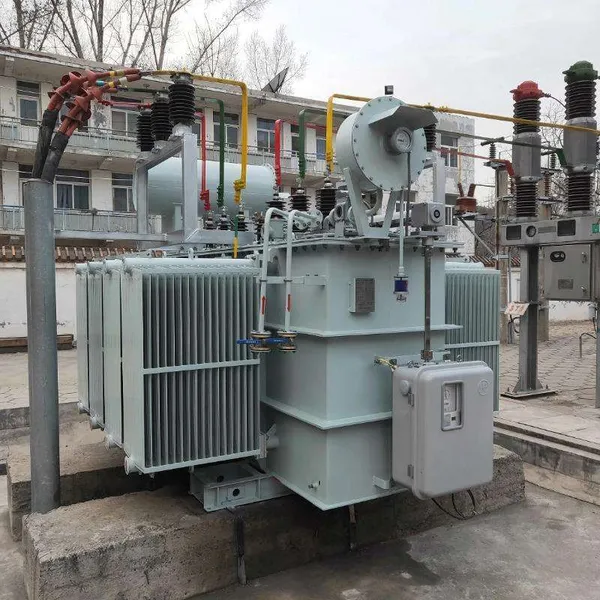
In an oil-immersed unit, the core and windings sit inside a sealed tank filled with mineral oil. The oil performs two jobs at once: it insulates the windings from each other and from the tank, and it carries heat from the windings to the tank surface by natural convection.
Mineral oil has been the standard for over a century because it combines good dielectric strength with excellent thermal capacity. A typical mineral oil has a flash point around 140°C to 150°C, which is high enough to be safe in normal operation but still a genuine fire consideration if the unit is damaged.
The oil expands and contracts with temperature, so the tank needs either a conservator with a breather or a sealed design with enough headroom. This is a detail buyers rarely see, but it is central to how reliably the unit handles daily thermal cycling.
Oil-immersed units also carry protective accessories that dry-type units do not need, such as a Buchholz relay that detects gas produced by internal arcing. This early-warning device can trip the transformer before a small fault becomes a major failure, which is one reason oil units remain favored in utility service where remote monitoring is standard.
3. How Dry-Type Transformers Work
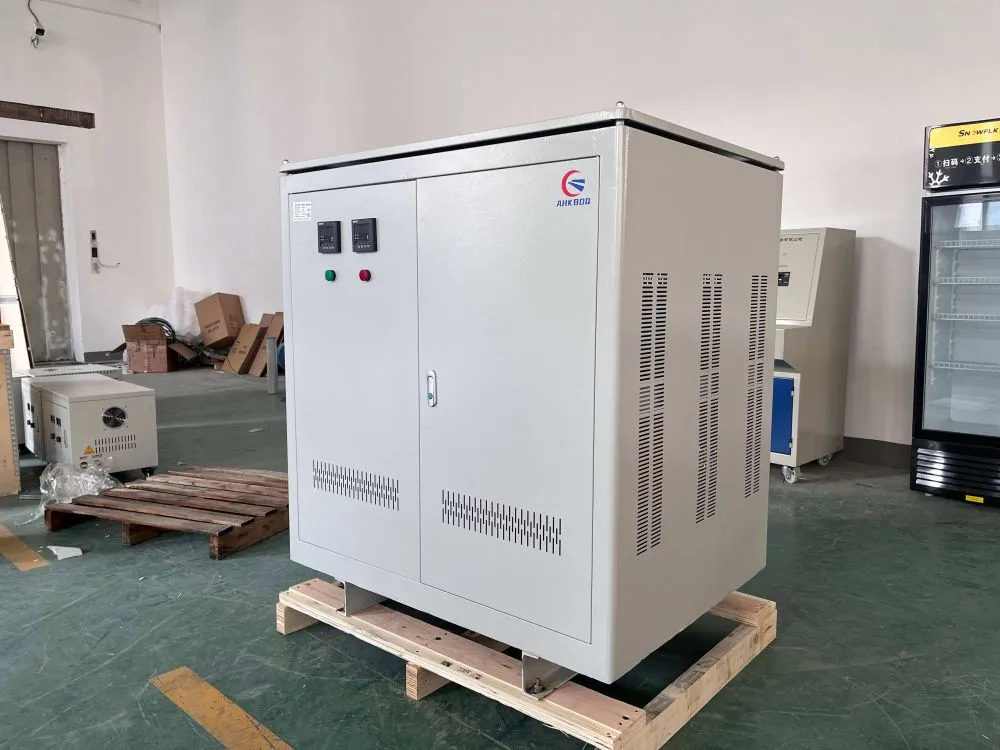
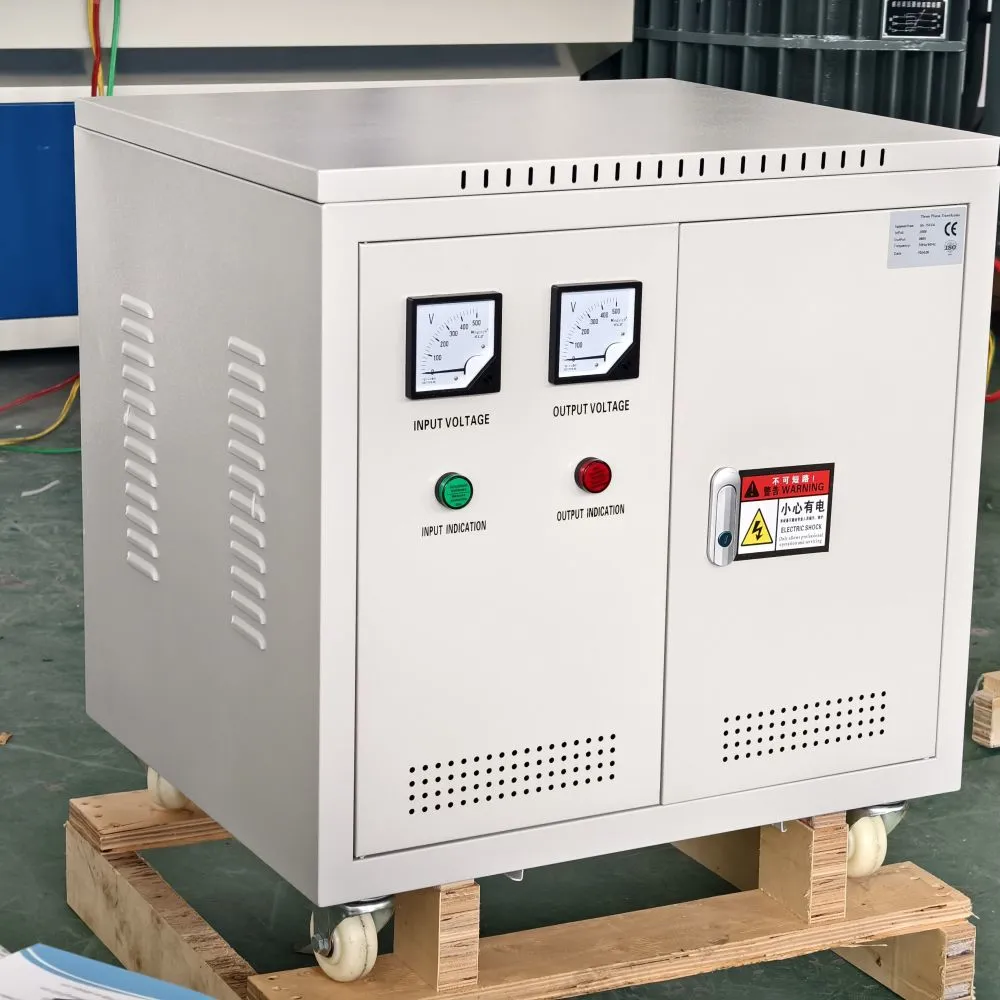
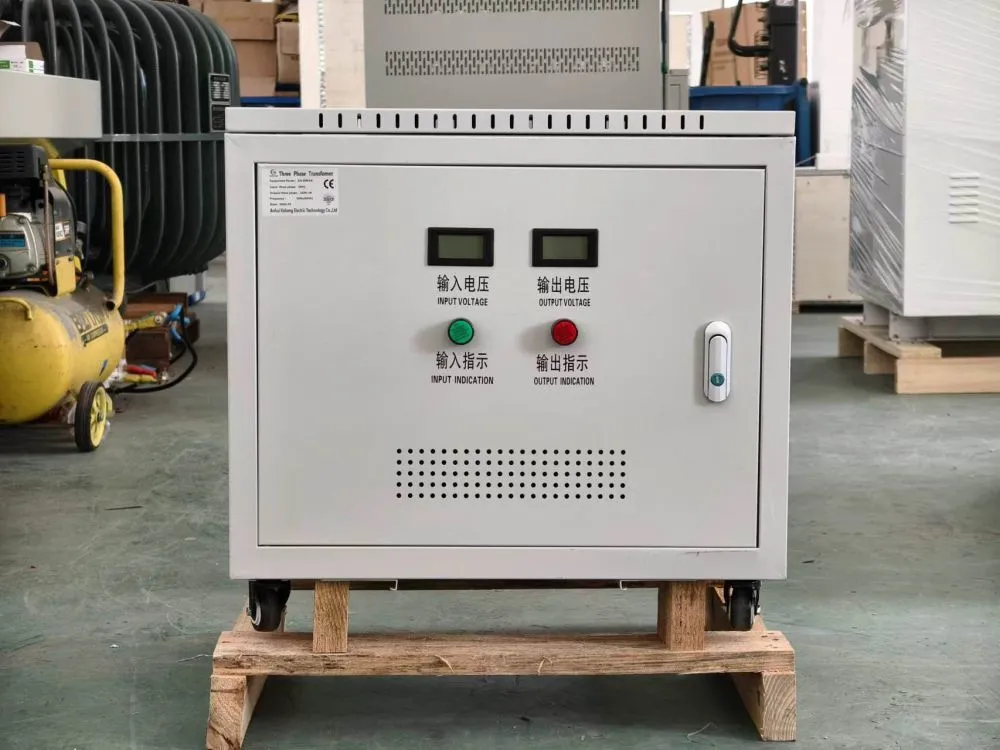
A dry-type transformer replaces liquid with air and solid insulation. The windings are often encapsulated in cast resin or wrapped in high-temperature insulating tape, and the heat is removed by natural air flow or by forced-air fans on larger units.
The big advantage is the absence of flammable liquid. Without oil, there is no risk of a leak or a fire-fed pool, which is why dry-type units are the default choice inside occupied buildings, hospitals, data centers, and tunnels.
The trade-off is thermal. Air is a much poorer conductor of heat than oil, so dry-type units run at higher winding temperatures and are typically built to Class F or Class H insulation, rated for 155°C and 180°C maximum respectively.
There are two main dry-type constructions. Cast-resin transformers encapsulate the windings in epoxy that is poured under vacuum, giving a smooth, moisture-resistant surface. Vacuum-pressure-impregnated transformers instead wrap the coils in tape that is then baked with varnish, a cheaper process that is more common in smaller ratings.
4. Side-by-Side Comparison
The table below summarizes the main differences that drive purchasing decisions. It is a starting point, not a substitute for checking the specific requirements of a project, but it captures the trade-offs most buyers face.
| Factor | Oil-Immersed | Dry-Type |
|---|---|---|
| First cost | Lower, typically 20–40% less | Higher for the same rating |
| Fire risk | Contains flammable oil | No flammable liquid |
| Efficiency | Slightly higher at full load | Slightly lower, more fan losses |
| Noise | Lower | Higher, fans add to it |
| Maintenance | Oil sampling, leak checks | Dust removal, fan checks |
| Typical lifespan | 25–40 years | 20–30 years |
| Best location | Outdoor, utility, industrial | Indoor, occupied, fire-sensitive |
The cost gap narrows as ratings rise, and some buyers are surprised to learn that a dry-type unit is not always more expensive over its life once oil handling and fire suppression are counted. The real question is not which type is cheaper, but which type is appropriate for the location.
On efficiency, the differences are small enough that they rarely swing a decision. A well-made unit of either type can exceed 98% at full load, and the auxiliary fan losses on a dry-type unit only appear when the fans actually run.
5. Safety and Fire Risk
Safety is the single most common reason a project switches from oil to dry. An oil-immersed transformer holds tens to hundreds of liters of mineral oil, and while a properly maintained unit rarely fails, the consequences of a fault are higher because of the fire and spill potential.
Building codes in many regions require oil-immersed transformers to sit in a vault or a bunded area with fire suppression, which adds construction cost and floor space. A dry-type transformer avoids most of these requirements entirely and can be placed close to the load it serves.
That said, oil-immersed equipment is not inherently dangerous. Millions of units operate outdoors on poles and pads around the world, and the safety record is strong when the unit is installed correctly and kept away from ignition sources.
An emerging option narrows the gap further. Transformers filled with natural ester fluid instead of mineral oil have a much higher fire point, typically above 300°C, and are biodegradable, which reduces both the fire and the environmental spill risk while keeping most of the oil-immersed cost advantage.
6. Where Each Type Fits Best
Oil-immersed transformers dominate outdoor and utility applications, where the lower first cost and higher overload tolerance matter more than the fire concern. They are the standard for pole-mounted distribution, pad-mounted utility units, and outdoor industrial substations.
Dry-type transformers own the indoor market. Hospitals, data centers, high-rise buildings, shopping malls, and underground facilities almost always specify dry-type because the absence of oil removes a liability that no building owner wants to carry.
There is also a middle ground of demanding industrial environments, such as mines and chemical plants, where either type can work but the decision often hinges on whether fire is a primary or secondary hazard in the local risk assessment.
One notable exception is the offshore or marine environment, where even outdoor equipment is often dry-type because oil handling on a vessel is tightly restricted. These niche cases remind buyers that the location, not habit, should drive the choice.
7. Maintenance and Lifespan
The two types age differently. An oil-immersed transformer needs its oil sampled periodically to check for moisture and dissolved gases, and the tank should be inspected for leaks and rust. This is light maintenance, but it must actually happen on schedule.
A dry-type transformer needs its windings kept clean, because a layer of dust reduces cooling and can lead to hot spots. Cooling fans, where fitted, need occasional checks, and the unit should be de-energized and vacuumed during scheduled downtime.
Neither type is maintenance-free, but the effort is modest compared to the 20- to 40-year service life both can deliver when treated properly. The larger risk is neglect, not the type of cooling.
A maintenance team we worked with skipped oil sampling on an aging unit for several years, then found the moisture level high enough to justify a costly oil regeneration. A second site that sampled on schedule caught the same condition early and fixed it with a simple drying cycle at a fraction of the cost.
8. Cost: First Price vs Total Ownership
Oil-immersed transformers win on purchase price in most ratings, which is why they remain the default for cost-driven projects. The premium for a dry-type unit of the same rating is often 20% to 40%, and that difference alone is enough to settle the decision in many outdoor settings.
The total-cost picture can flip the answer indoors. Once you add a fire-rated vault, oil containment, and the floor space those require, the oil option loses much of its apparent advantage. A dry-type unit installed right next to the load also saves on the low-voltage cabling that would otherwise run from a distant outdoor unit.
A customer we worked with in a commercial building project initially quoted oil-immersed equipment to save money, then switched to dry-type after the fire-safety review added a containment vault to the budget. The dry-type install ended up costing less overall and avoided an extra room in the basement.
Noise is another hidden cost that favors oil-immersed equipment. A dry-type transformer can measure 50 to 65 dB at close range, which matters when it sits near offices or residences, while an oil tank naturally muffles much of the core hum.
9. Making the Final Choice
Choosing between a dry-type and an oil-immersed transformer comes down to three questions: where will it be installed, what does the local code require, and what is the total cost over the life of the building rather than just the purchase price.
If the answer to the first question is "outdoors on a pole or in a utility yard," oil-immersed is usually the sensible choice. If it is "inside a building where people work or sleep," dry-type is almost always the safer and more compliant path.
Jinhua Dika Electrical Equipment Co., Ltd. supplies both oil-immersed and dry-type transformers, which means the recommendation we give is driven by the application rather than by what happens to be in stock. Dika Electrical's team reviews the location, the load, and the local code before quoting either type, so the buyer ends up with the right cooling method instead of a default.
For projects that sit somewhere in between, a short conversation with an experienced manufacturer usually settles it. The two types are not rivals so much as tools, and the correct one is simply the one that matches the site.
10. FAQ
10.1 Which transformer is more efficient, dry-type or oil-immersed?
Oil-immersed transformers are typically slightly more efficient at full load because oil cools more effectively and allows tighter electrical design. Dry-type units can also reach high efficiency, but cooling fans add a small auxiliary loss when they run. The difference is usually one or two percentage points at most, so efficiency alone rarely decides the choice between the two types in real projects.
10.2 Can a dry-type transformer be installed outdoors?
Yes, dry-type transformers can be installed outdoors if they are built with a weatherproof enclosure and the appropriate ingress protection rating. However, they are less common outdoors because oil-immersed units are cheaper and tolerate weather better. When a dry-type unit does go outside, the enclosure must protect against rain, dust, and condensation, which adds cost and erodes the indoor advantages of the design.
10.3 Why are dry-type transformers more expensive?
Dry-type transformers cost more for several reasons. Cast-resin insulation is more expensive to produce than a steel tank filled with oil, the thermal design must work with poorer air cooling, and the higher insulation class materials add cost. The premium also reflects the fire-safe, low-maintenance attributes that make dry-type units the requirement in many indoor and occupied-building applications.
10.4 How do I decide if I need a vault for an oil transformer?
Whether an oil-immersed transformer needs a vault depends on local building codes, the oil volume, and its proximity to occupied areas and ignition sources. Many codes require a fire-rated enclosure or a bunded area once the oil exceeds a certain quantity or the unit sits indoors. The safest approach is to confirm the requirement with the local authority and the manufacturer early, because retrofitting containment after installation is disruptive and expensive.
Recently Posted
-
Transformer Factory Tests: Routine, Type and Special Tests Explained
August 28, 2026An importer once accepted a transformer shipment without reading the test report, only to find the unit failed on site because its Read More
 -
UL891 distribution panel
August 28, 2026Switchgear and separately separated distribution panels require a rear channel for connecting incoming and outgoing feeder cables.
Read More -
Oil-Immersed Transformers for Solar PV Power Plants
August 27, 2026A solar developer once watched a new plant lose several weeks of generation because the transformer feeding the grid connection fa Read More
 -
Foreign project - FAT factory undergoing testing
August 26, 2026For FAT Factory Acceptance Test, as a part of the ISO file system, the factory test documents are generally conducted according to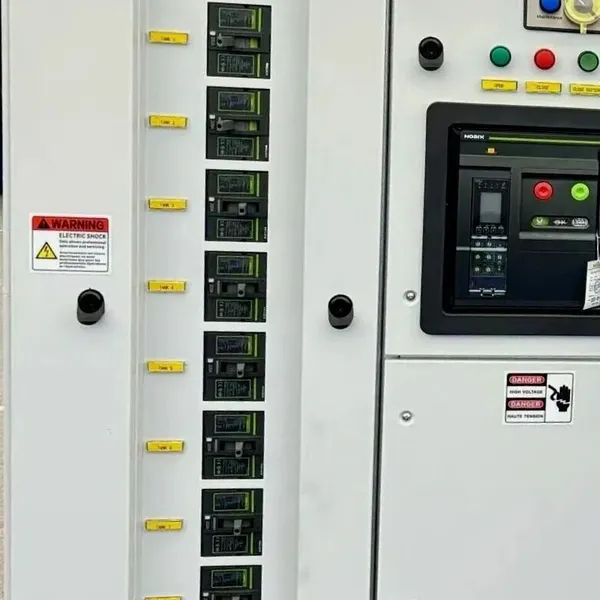 Read More

Contact Us
Recommended Products
-
 Single Phase Oil Immersed Transformer 10KVA 15KVA 25KVA 37.5KVA Standard CompliantNegotiableMOQ: 2 Units
 -
Electrical Arc Furnace Transformers up to 120MVA - Certified for Steel Industry ApplicationsUS$ 8000 - 10000MOQ: 1 Unit
-
3-Phase Oil Type Transformer 5-Year Warranty With Load Test ReportUS$ 5428 - 5628MOQ: 1 Unit
-
Three Phase Oil Filled Transformer for Mining Operations Dust-Proof DesignUS$ 5428 - 5628MOQ: 1 Unit
-
HV Three Phase Oil Filled Transformer With ONAN Cooling 500kVA-2500kVAUS$ 5428 - 5628MOQ: 1 Unit
-
11/24/33KV High Voltage Isolation Switch With Mill Test ReportUS$ 800MOQ: 1 Unit
-
3-Pole Outdoor Isolation Switch With 5-Year Warranty and Compliance TestingUS$ 800MOQ: 1 Unit
-
YH5WZ 3KV-110KV Zinc Oxide Arrester for Power Station Outdoor High Voltage DistributionUS$ 21MOQ: 100 Units
-
Outdoor SF6 Load Break Switch LW30-72.5/1250A 24KV 630A 16KA Three PhaseUS$ 10000MOQ: 1 Unit
-
Input Line Reactor for CNC Machine Frequency Converters, 400V 60HzUS$ 65MOQ: 5 Units
-
Industrial Grade 35-220KV Oil-Immersed Current Transformer for SubstationsUS$ 480 - 500MOQ: 3 Units
-
LZZBJ9-20 Indoor 24kV High Voltage Cabinet Single-Phase 5-20 for Industrial Power SystemsUS$ 250MOQ: 3 Units
-
17.5 KV Full-enclosed Outdoor Epoxy Resin Casting and Double Pole Insulated Voltage TransformerUS$ 90 - 100MOQ: 1 Piece
-
Three Phase 30kVA SVC Voltage Regulator for Textile Manufacturing, Stable OutputUS$ 159MOQ: 10 Units
-
Amorphous Core 25kVA Transformer Compliant With IEC Standards for Power DistributionUS$ 1300 - 2900MOQ: 2 Units
-
CHINT NM8NDC-630 DC 1000V/Ui High-Voltage Circuit Breaker With 630A Frame CurrentUS$ 425 - 625MOQ: 100 Units
-
High Voltage Drop Out Fuse Cutout 33KV 27KV 24KV for Overhead LinesUS$ 35MOQ: 100 Units
-
TVR-10 KVA Automatic Voltage Stabilizer 220V ±0.5% Accuracy for Laboratory InstrumentsUS$ 103 - 123MOQ: 1 Unit
-
Universal 5000VA Voltage Transformer for International Appliances 110V-220VUS$ 102 - 107MOQ: 10 Units
-
500kV Three-Phase Oil-Immersed Auto Transformer 250MVA for Power GridsUS$ 800 - 9000MOQ: 1 Unit