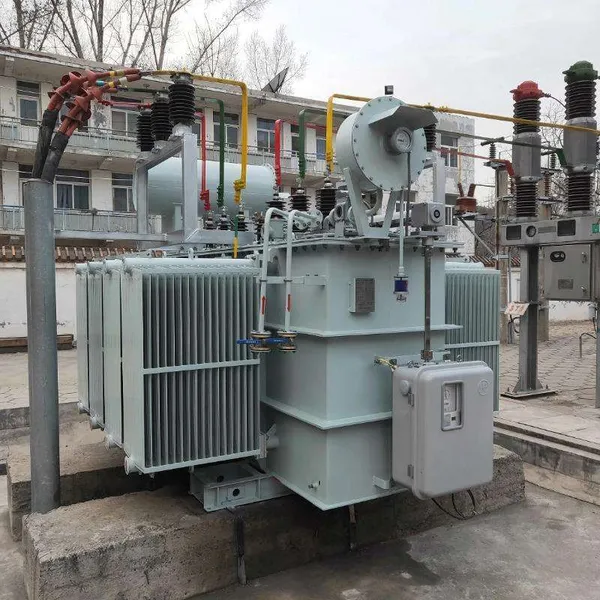

 Business License

The open circuit on the secondary side of the current transformer is a danger you wouldn't even thin
In electrical work, current transformers play a crucial role, but there is an iron rule that must be remembered - their secondary side must not be open circuited! This is not just a casual statement
Once violated, the consequences are unimaginable, with equipment damage and personal safety accidents likely to follow one after another.Dangerous voltage strikes, endangering life safety
When the current transformer is working normally, the secondary circuit is almost in a short-circuit state, and the output voltage is very low. But if the secondary side opens up, it immediately becomes a "boost demon". At this point, the large current on the primary side becomes the excitation current, and the magnetic flux in the iron core increases rapidly like riding a rocket, quickly reaching a severe saturation state. According to the law of electromagnetic induction, the secondary winding will induce extremely high peak wave voltage, several thousand volts or even tens of thousands of volts. Such high voltage can easily break through the insulation of the secondary circuit. If the operator accidentally touches it, it is a fatal risk of electric shock, and
The instruments and relay protection equipment connected to the car will also suffer, being burned beyond recognition.
2. The iron core overheated and went crazy, causing the transformer to be destroyed in an instant
During normal operation, the magnetic flux generated by the primary side current is similar in magnitude and opposite in direction to the magnetic flux generated by the secondary side current. When they cancel each other out, the total magnetic flux in the iron core is very small and the losses are also minimal. But when the secondary side opens, the secondary current disappears, and the cancellation effect is also lost. The strong magnetic field generated by the primary side current causes the iron core to enter a deep magnetic saturation state. This is a big deal. The iron core loss (iron loss) has increased dramatically, and the iron core is heating up like a furnace, which will soon damage the winding
The insulation was burned out, and ultimately the transformer was completely scrapped.
3. Safe use, these regulations cannot be forgotten
To ensure safety, there are strict regulations that must be followed when using and maintaining current transformers. Never install fuses or any switchable devices in the secondary circuit. If it is necessary to disassemble secondary side instruments such as ammeters and relays during operation, the secondary side surge protector must be reliably short circuited with wires or dedicated short-circuit plates before operation. In addition, one end of the secondary winding of the current transformer must be reliably grounded to prevent the high voltage on the primary side from being affected
Insulation damage entering the secondary low-voltage circuit provides an additional layer of safety protection.
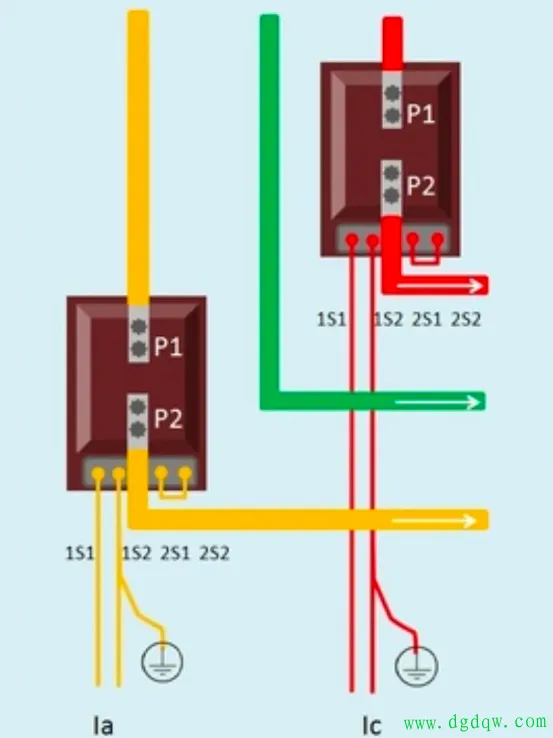
The key safety points for short-circuit operation on the secondary side of the current transformer are fully mastered. This is a critical safety operation in electrical work and must be strictly followed in sequence.
1. Preparation before operation should be sufficient
Special short circuits or short-circuit plates must be used, with a sufficiently large cross-sectional area to stably withstand possible currents. Do not use ordinary fuses or
Thin wires, otherwise if they melt and cause an open circuit, it will be a big problem. Operators also need to take protective measures, wear insulated gloves, stand on insulation pads, and use gloves to isolate themselves
The tool of the edge handle tightly protects oneself.
2. Do not be careless when performing short-circuit operations. The core principle is to short-circuit first and then disconnect the wire. Before dismantling the instrument or relay, it is necessary to use a short circuit at the wiring terminal to reliably connect the two terminals of the secondary winding. And the terminal screws need to be tightened. If there is poor contact, it is like connecting a large resistor in series, which can still cause high voltage.
3. After operation, confirm that the operation cannot be reduced, or connect the backup short circuit first before switching.
After completing the short circuit, use tools to disassemble the instrument or relay. At this point, the secondary current will form a circuit through a short path and will not open. Remember,
It is prohibited to disconnect the secondary side of the current transformer directly for instrument calibration after opening the circuit. If verification is required, a dedicated current transformer must be used to open a one path switch
4. When restoring the circuit, caution should be taken to reset the reading to zero, as it may also burn out the secondary winding due to high current heating.
After completing the work, first connect the instrument or relay back to the terminal, confirm that the connection is correct, and then remove the short circuit to restore the normal operation of the current transformer
Make it. If the instrument fails to disconnect the short circuit after normal operation, the secondary side of the current transformer will remain short circuited. Although it will not generate high voltage, it will cause the ammeter to malfunction
Open circuit is strictly prohibited on the secondary side of current transformers, and the core is to prevent high voltage, ensure safety, and protect equipment. If the high current on the primary side is cancelled out by the circuit, the secondary side will feel
The deadly high voltage may not only burn out the transformer, but also seriously threaten personal safety, and cause a series of problems such as overheating of the iron core, failure of measuring and protective devices, etc
Recently Posted
-
Jinhua Dika Electrical Equipment: Manufacturing Transformers and Switchgear in Zhejiang, China
August 31, 2026When a buyer starts looking for a transformer or a complete switchgear set, the hardest part is often not the specification. It is Read More
 -
Environmentally friendly gas insulated 40.5kV switchgear
August 31, 2026There are two types of 40.5kV environmentally friendly gas insulated switchgear: one is used for ring network power supply, with l Read More
 -
The use of heat shrink tubing
August 31, 2026For the use of heat shrink tubing, foreign customers accept it as an insulation medium. According to the requirements of RAYCHEM 2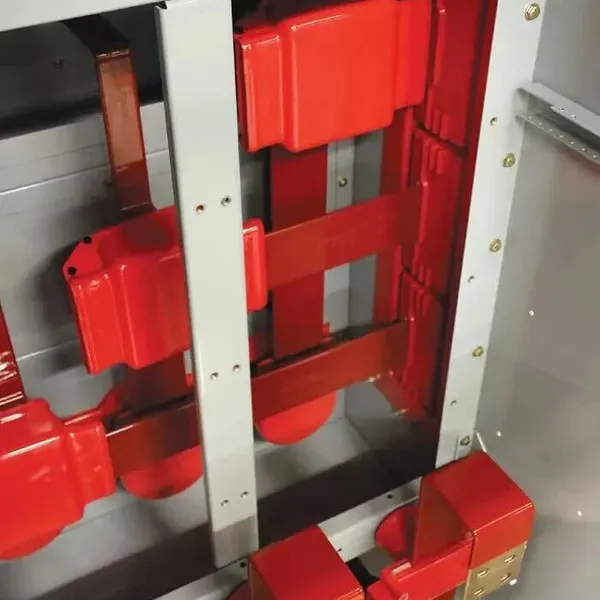 Read More
 -
American standard 38kV metal armored outdoor switchgear
August 31, 2026The power frequency withstand voltage of the 38kV switchgear is 80kV, and the lightning impulse withstand voltage is 150kV. For me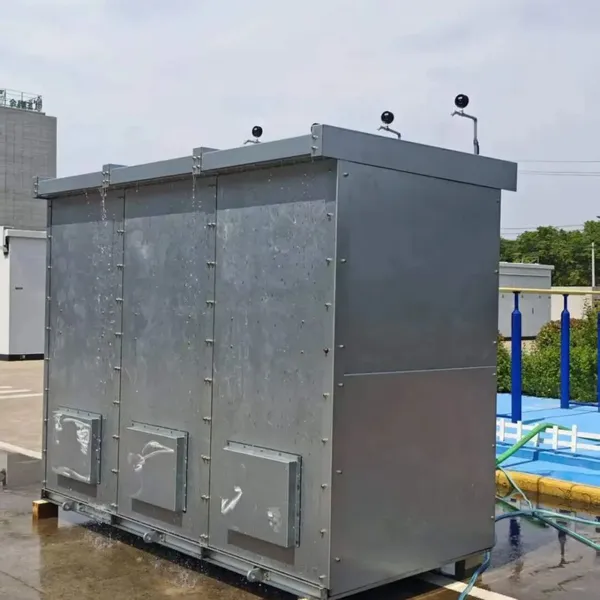 Read More

Contact Us
Recommended Products
-
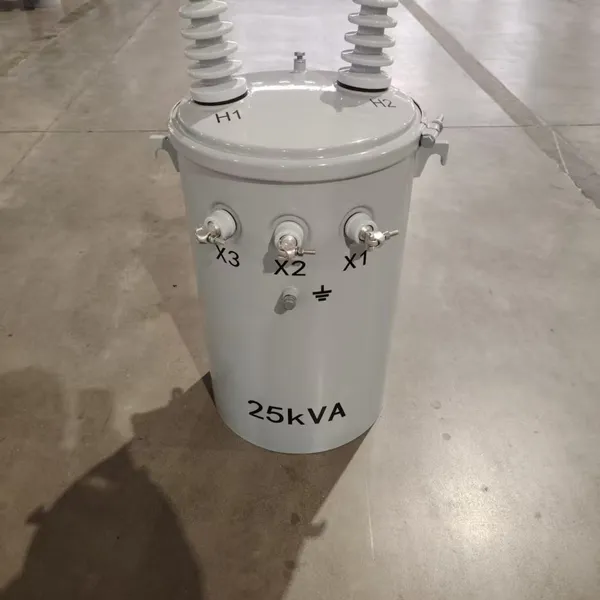
 Single Phase Oil Immersed Transformer 10KVA 15KVA 25KVA 37.5KVA Standard CompliantNegotiableMOQ: 2 Units
 -
Electrical Arc Furnace Transformers up to 120MVA - Certified for Steel Industry ApplicationsUS$ 8000 - 10000MOQ: 1 Unit
-
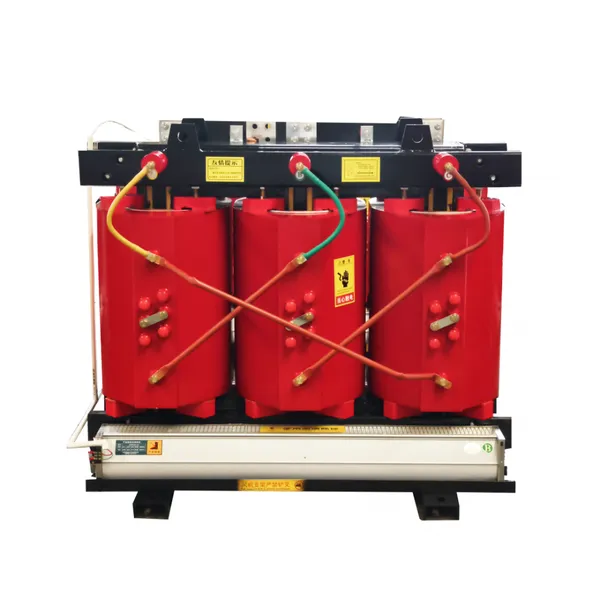
3-Phase Oil Type Transformer 5-Year Warranty With Load Test ReportUS$ 5428 - 5628MOQ: 1 Unit
-
Three Phase Oil Filled Transformer for Mining Operations Dust-Proof DesignUS$ 5428 - 5628MOQ: 1 Unit
-
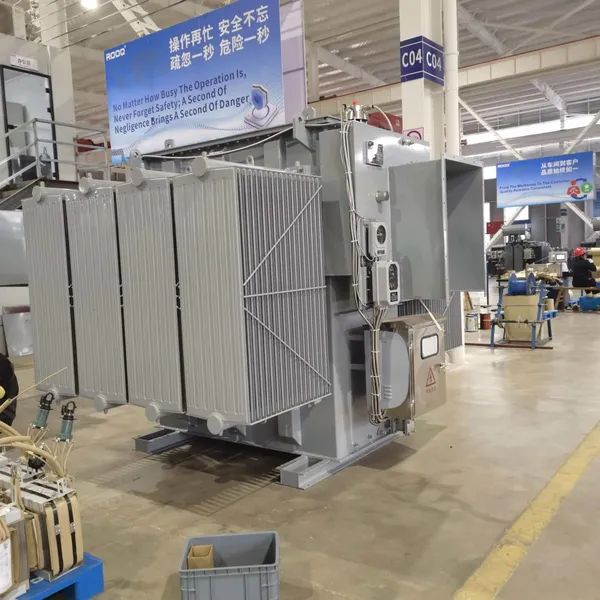
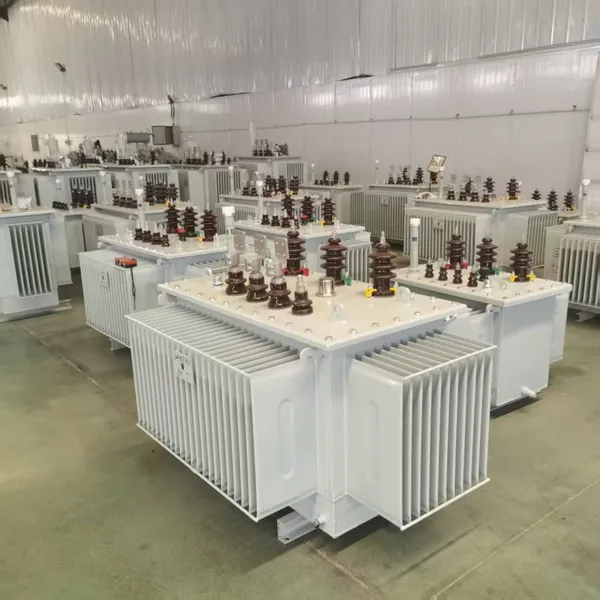
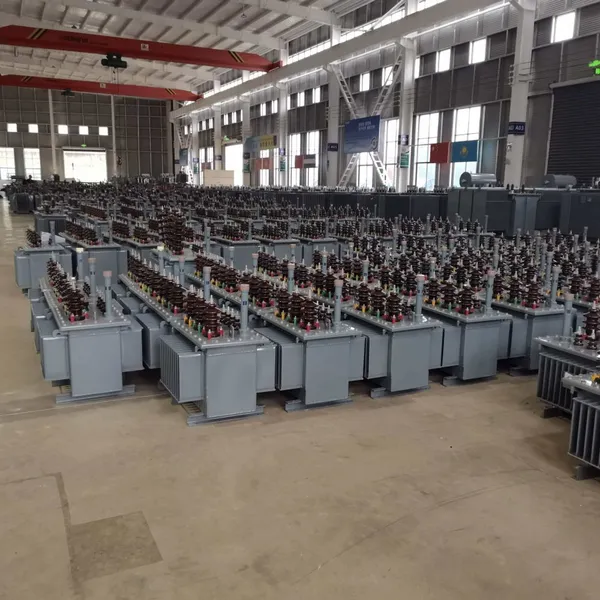
HV Three Phase Oil Filled Transformer With ONAN Cooling 500kVA-2500kVAUS$ 5428 - 5628MOQ: 1 Unit
-
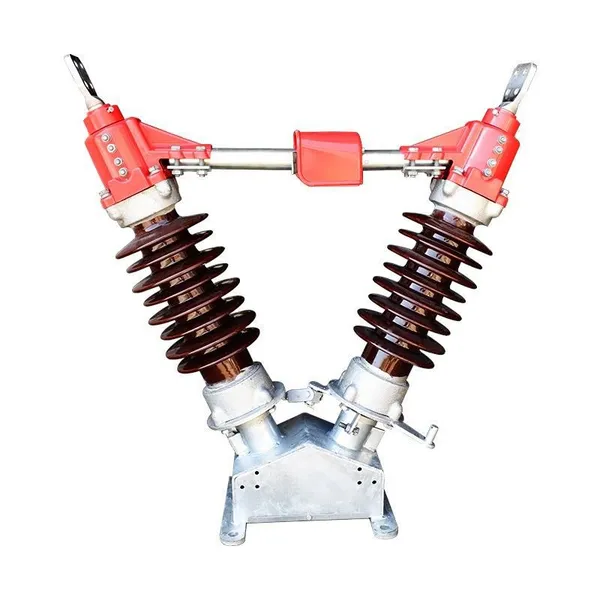
11/24/33KV High Voltage Isolation Switch With Mill Test ReportUS$ 800MOQ: 1 Unit
-
3-Pole Outdoor Isolation Switch With 5-Year Warranty and Compliance TestingUS$ 800MOQ: 1 Unit
-
YH5WZ 3KV-110KV Zinc Oxide Arrester for Power Station Outdoor High Voltage DistributionUS$ 21MOQ: 100 Units
-
Outdoor SF6 Load Break Switch LW30-72.5/1250A 24KV 630A 16KA Three PhaseUS$ 10000MOQ: 1 Unit
-
Input Line Reactor for CNC Machine Frequency Converters, 400V 60HzUS$ 65MOQ: 5 Units
-
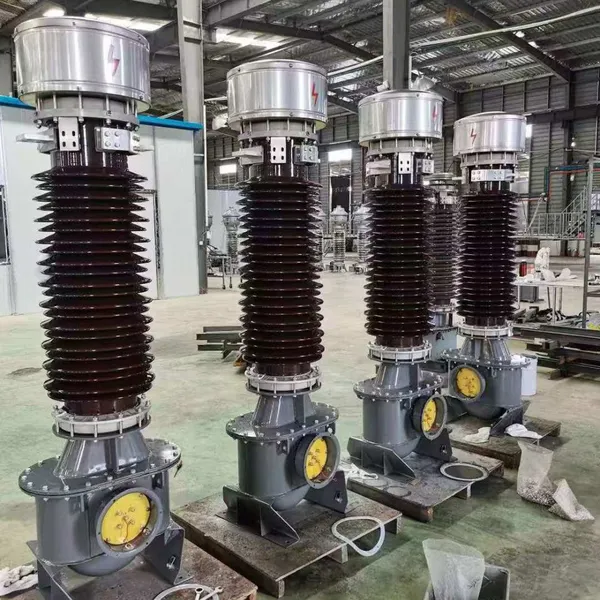
Industrial Grade 35-220KV Oil-Immersed Current Transformer for SubstationsUS$ 480 - 500MOQ: 3 Units
-
LZZBJ9-20 Indoor 24kV High Voltage Cabinet Single-Phase 5-20 for Industrial Power SystemsUS$ 250MOQ: 3 Units
-
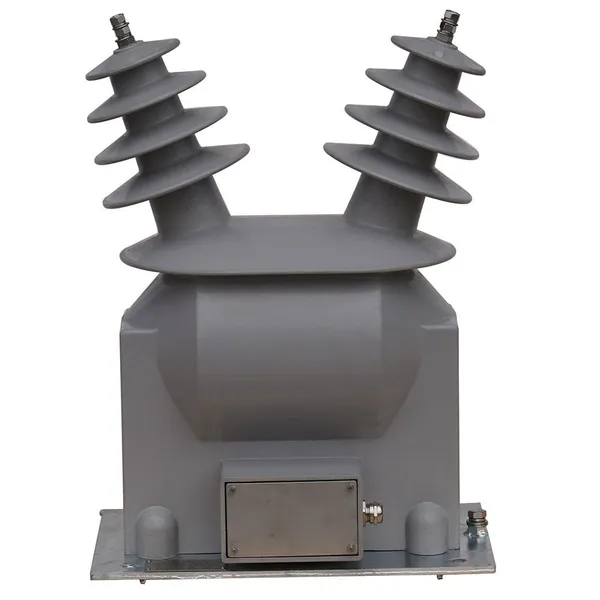
17.5 KV Full-enclosed Outdoor Epoxy Resin Casting and Double Pole Insulated Voltage TransformerUS$ 90 - 100MOQ: 1 Piece
-
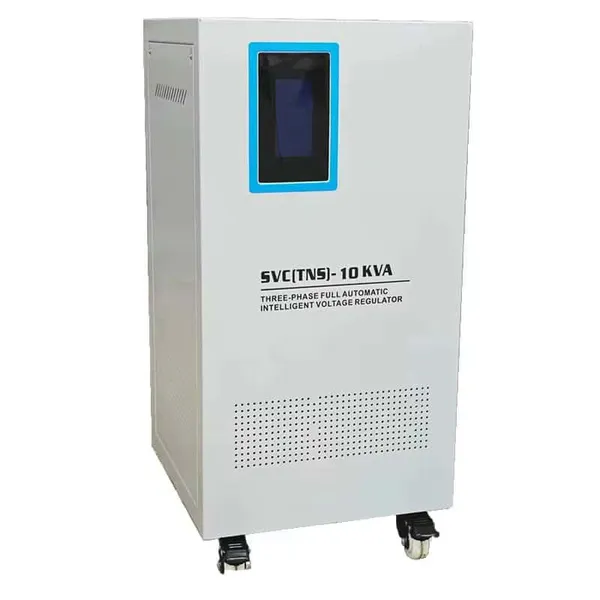
Three Phase 30kVA SVC Voltage Regulator for Textile Manufacturing, Stable OutputUS$ 159MOQ: 10 Units
-
Amorphous Core 25kVA Transformer Compliant With IEC Standards for Power DistributionUS$ 1300 - 2900MOQ: 2 Units
-
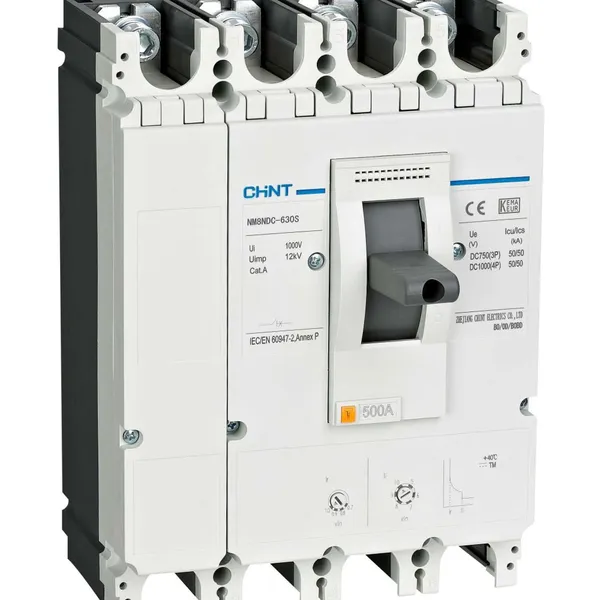
CHINT NM8NDC-630 DC 1000V/Ui High-Voltage Circuit Breaker With 630A Frame CurrentUS$ 425 - 625MOQ: 100 Units
-
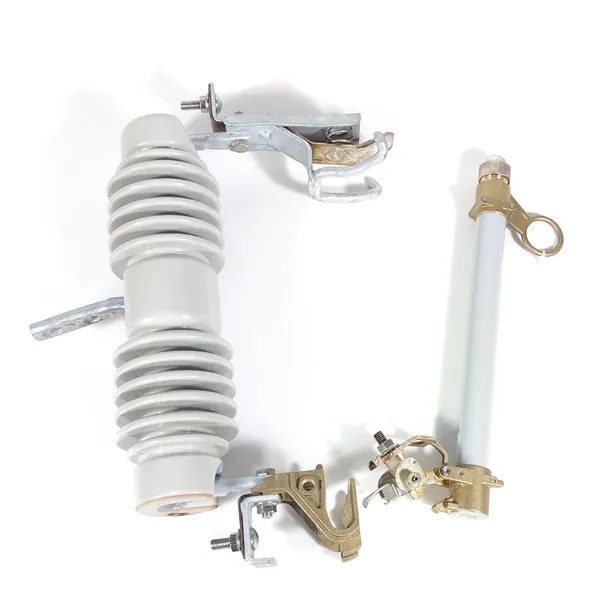
High Voltage Drop Out Fuse Cutout 33KV 27KV 24KV for Overhead LinesUS$ 35MOQ: 100 Units
-
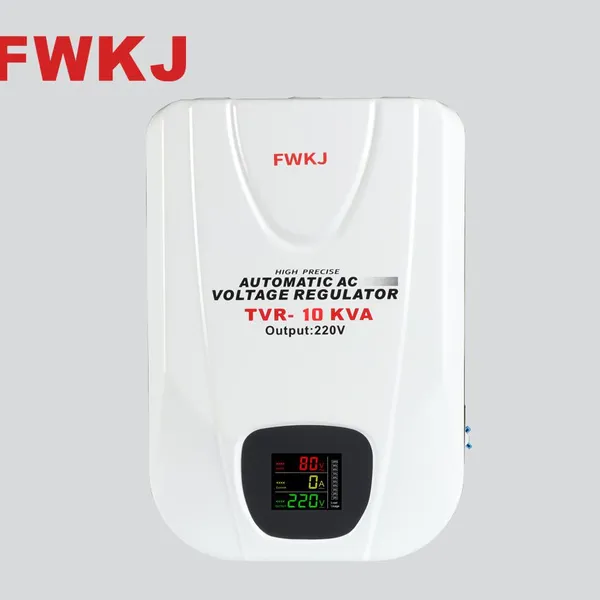
TVR-10 KVA Automatic Voltage Stabilizer 220V ±0.5% Accuracy for Laboratory InstrumentsUS$ 103 - 123MOQ: 1 Unit
-
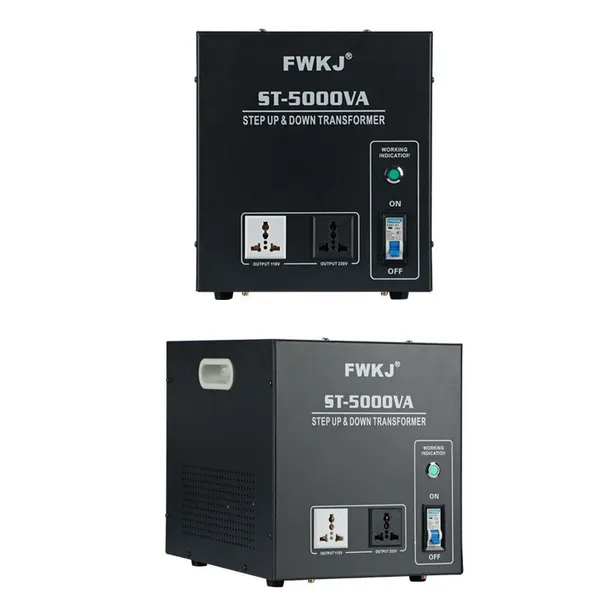
Universal 5000VA Voltage Transformer for International Appliances 110V-220VUS$ 102 - 107MOQ: 10 Units
-
500kV Three-Phase Oil-Immersed Auto Transformer 250MVA for Power GridsUS$ 800 - 9000MOQ: 1 Unit