
 Business License

Compliance with certification and standards
With North American certification, it doesn't mean everything is worry free and we can smoothly ship to the North American region. In fact, that's not the case.
Certification is a qualification assessment activity conducted by an approved third-party certification body on enterprises based on corresponding standards. Most of them are qualified or star rated evaluations for the products, management, and services of enterprises. Certification is a qualification for enterprise capabilities, and it has a certain degree of authority.
There are many certification bodies, such as TUV, which includes South Germany and Rhine, ASTA (including INTERTEC, ETL, and ASTA, applicable to different products and regions), UL, CSA, CE, and so on. The certifications recognized for medium voltage switchgear in North America include CSA, UL, and ETL.
The certification of products is based on standards, that is, using a certain standard as the basis for product qualification. The product certification issued by the same certification brand may be different, which can be IEC standard product certification or IEEE standard product certification.
The compliance of product standards is very important, and it is meaningless to talk about product certification without considering the standards. Therefore, product parameters need to comply with standards, design structures need to comply with standards, and most importantly, experimental verification needs to comply with standards.
Some certifications only test products, and certification is given after passing the test, which is incomplete and risky. Especially for standards such as ANSI/IEEE, there are many requirements for product structure, such as steel plate thickness, mesh size distance, number of hinges, copper bar specifications, etc., which must be followed.
As specified in UL891, the current carrying capacity of the neutral wire shall not be less than the current of the low-voltage main busbar, and shall not be less than 200A. The grounding busbar shall also be specified according to the current specifications of the main busbar. However, some manufacturers still design according to domestic standards with half the cross-sectional area and have obtained product certification.
You may say that some engineering design drawings also define the zero line as half, which may vary depending on the specific project situation, or the designer may lack standard instructions, but it is not in compliance with the standards. Such products may face the consequence of failing inspection and rectification upon arrival at the customer's site.
For example, the North American medium voltage switchgear standard has strict requirements for flame retardancy and resistance to electrical traces of materials. Domestic ordinary epoxy resin materials are fundamentally impossible to pass the test. The general practice is that customers only need to provide material reports that meet the standard and promise that the insulation materials used are compliant. This requires the integrity of the enterprise to truly use tested materials to manufacture the relevant insulation parts, in order to ensure that the product meets the standard and operates safely and reliably for a long time
Some manufacturers may say that my scratch resistance index may not be as high, but theoretically, increasing the creepage distance according to domestic standards is also not a problem. This is actually two different things. We cannot ignore the standard requirements just because the climbing distance increases. Not using materials that have passed the test is not in compliance with the standard, and this is beyond doubt.
As long as the product meets all relevant product standards, safety standards, and legal and regulatory requirements, it must be strictly implemented according to the standard requirements, tested seriously, and not afraid of failure. If there is a failure, it will be rectified. The products made in this way have the confidence to be sold and provided to customers for use, and can pass any certification agency or supervision audit.
Many manufacturers' engineers have not even read the standards and have carefully studied them before making products, lacking respect for the standards and reverence for product compliance. This is a very scary thing. Low price competition and not following the standards will greatly affect the development of the industry in the long run.
Legitimate enterprises still need to adhere to their bottom line and conscientiously produce products according to standards in order to survive in the long run.
Recently Posted
-
Primary contact of American standard medium voltage circuit breaker
August 17, 2026IEEE C37.20.2 standard, primary contact of withdrawable circuit breaker for medium voltage metal armored switchgear.Unlike domesti Read More
 -
Isolation handcart
August 17, 2026Isolation refers to the separation of two parts to meet safety requirements. Electrical isolation achieves a safe electrical gap b Read More
 -
Universal American standard medium voltage armored switchgear
August 17, 2026Unlike domestic medium voltage switchgear, which are all KYN28 mid mounted cabinets with the same structural layout and even size. Read More
 -
Copper bar specifications for American standard medium voltage armored switchgear
August 14, 2026American standard medium voltage armored switchgear, with standard current specifications of 1200, 2000, 3000, 4000A, upper and lo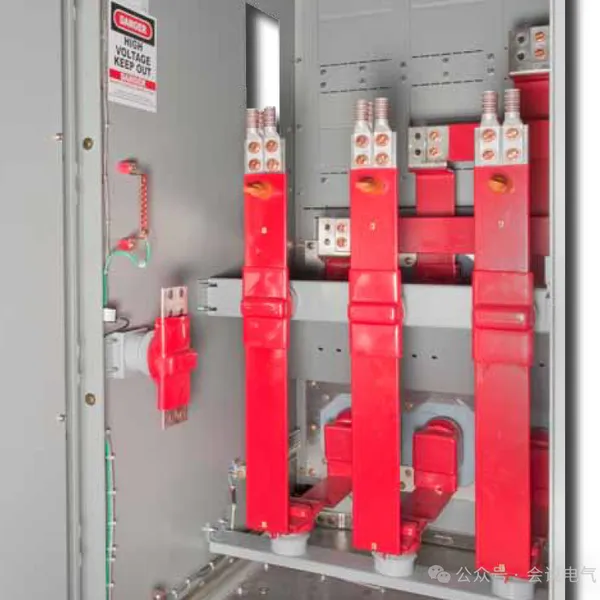 Read More

Contact Us
Recommended Products
-
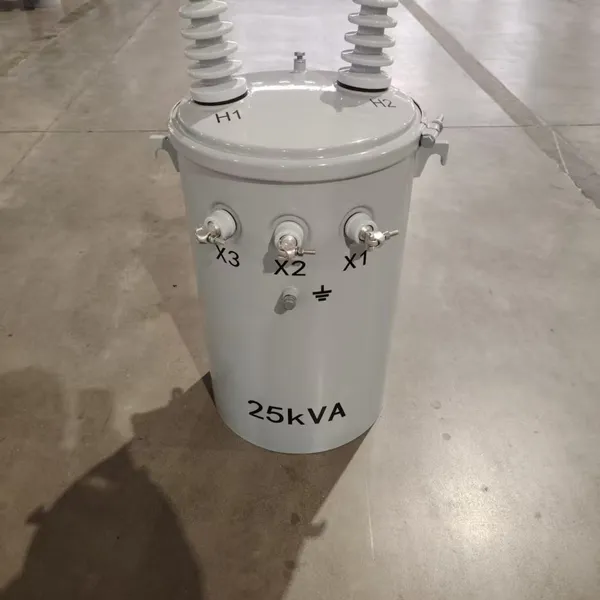
 Single Phase Oil Immersed Transformer 10KVA 15KVA 25KVA 37.5KVA Standard CompliantNegotiableMOQ: 2 Units
 -
Electrical Arc Furnace Transformers up to 120MVA - Certified for Steel Industry ApplicationsUS$ 8000 - 10000MOQ: 1 Unit
-
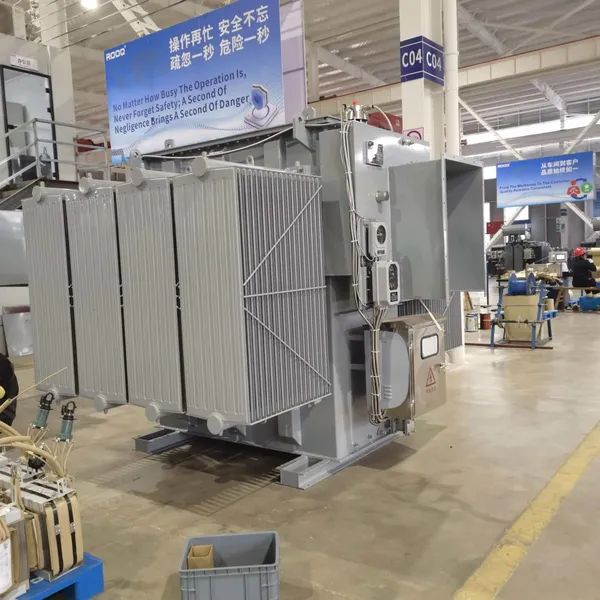
3-Phase Oil Type Transformer 5-Year Warranty With Load Test ReportUS$ 5428 - 5628MOQ: 1 Unit
-
Three Phase Oil Filled Transformer for Mining Operations Dust-Proof DesignUS$ 5428 - 5628MOQ: 1 Unit
-
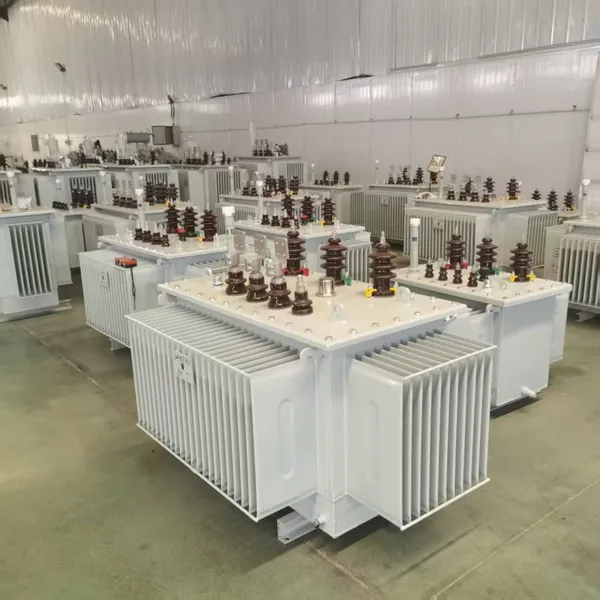
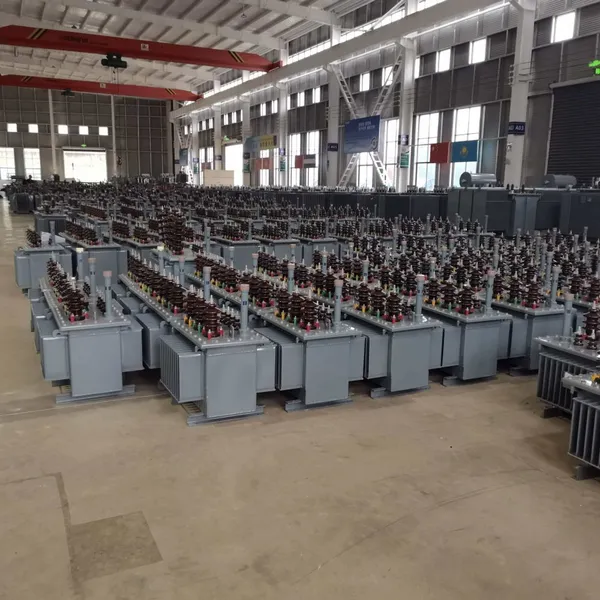
HV Three Phase Oil Filled Transformer With ONAN Cooling 500kVA-2500kVAUS$ 5428 - 5628MOQ: 1 Unit
-
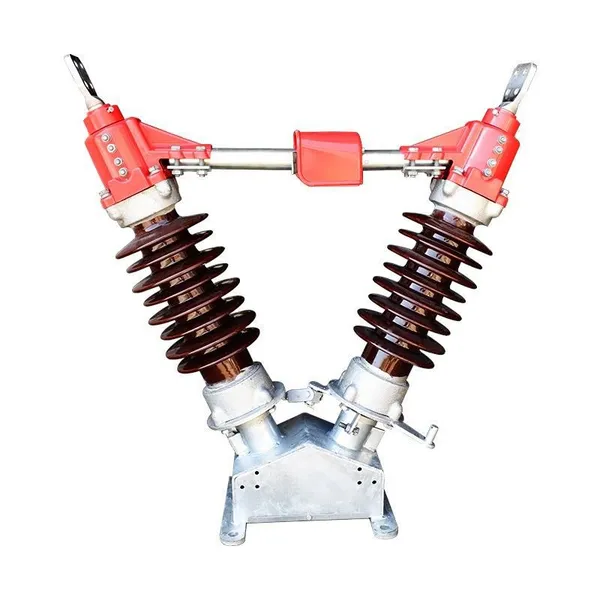
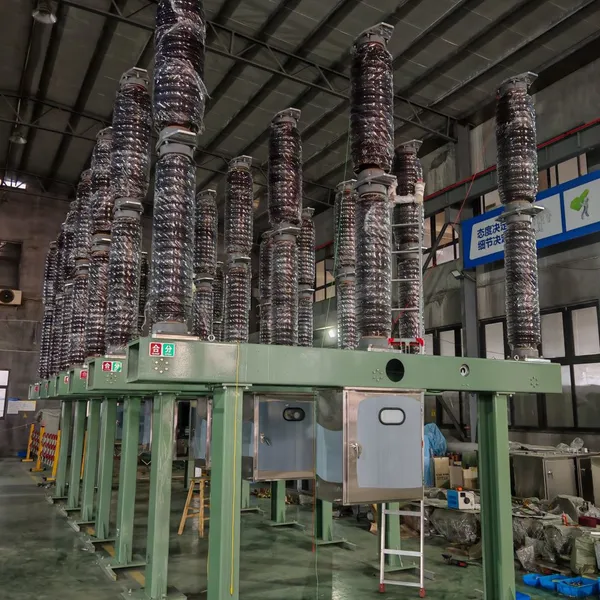
11/24/33KV High Voltage Isolation Switch With Mill Test ReportUS$ 800MOQ: 1 Unit
-
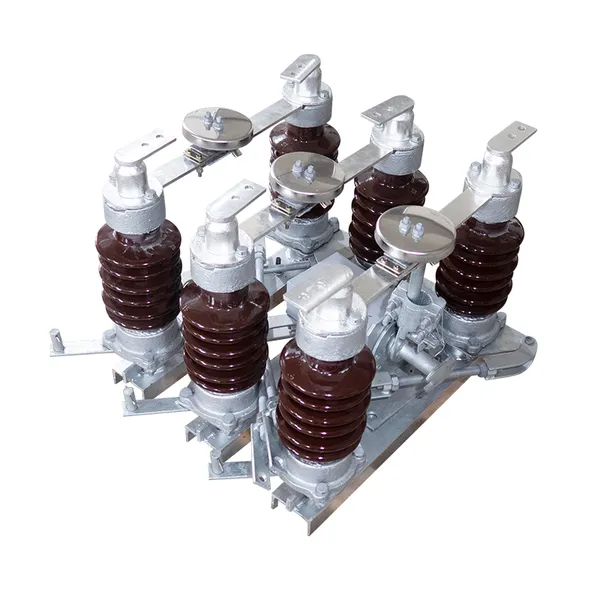
3-Pole Outdoor Isolation Switch With 5-Year Warranty and Compliance TestingUS$ 800MOQ: 1 Unit
-
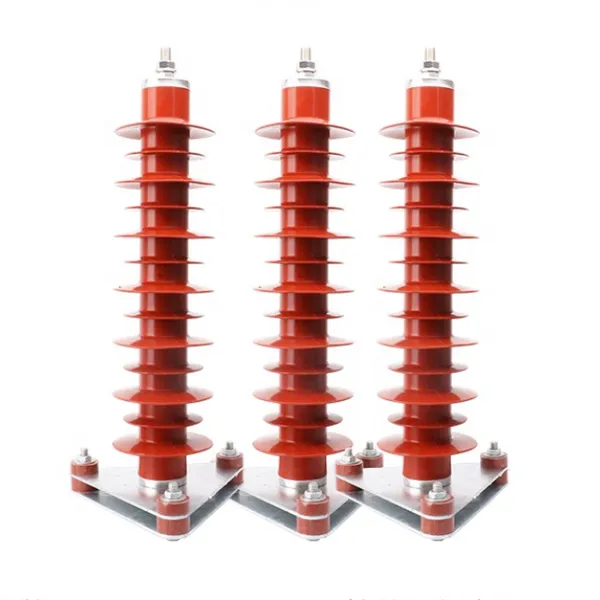
YH5WZ 3KV-110KV Zinc Oxide Arrester for Power Station Outdoor High Voltage DistributionUS$ 21MOQ: 100 Units
-
Outdoor SF6 Load Break Switch LW30-72.5/1250A 24KV 630A 16KA Three PhaseUS$ 10000MOQ: 1 Unit
-
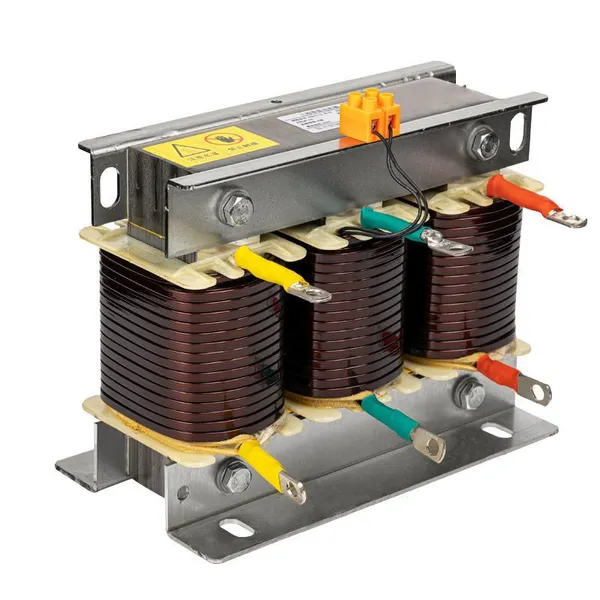
Input Line Reactor for CNC Machine Frequency Converters, 400V 60HzUS$ 65MOQ: 5 Units
-
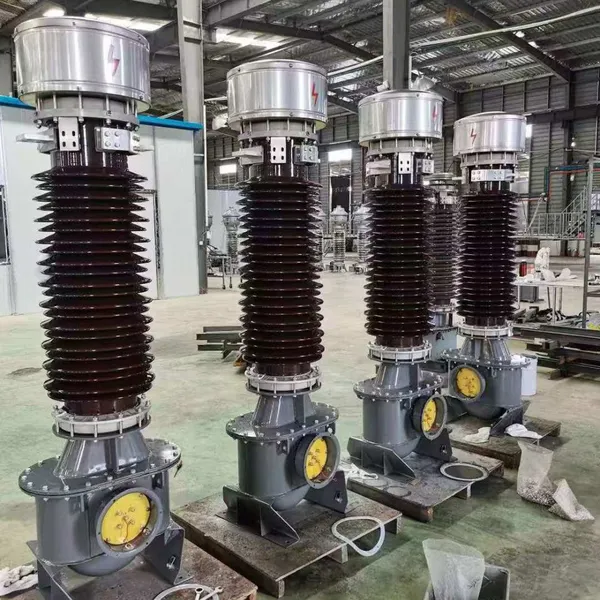
Industrial Grade 35-220KV Oil-Immersed Current Transformer for SubstationsUS$ 480 - 500MOQ: 3 Units
-
LZZBJ9-20 Indoor 24kV High Voltage Cabinet Single-Phase 5-20 for Industrial Power SystemsUS$ 250MOQ: 3 Units
-
17.5 KV Full-enclosed Outdoor Epoxy Resin Casting and Double Pole Insulated Voltage TransformerUS$ 90 - 100MOQ: 1 Piece
-
Three Phase 30kVA SVC Voltage Regulator for Textile Manufacturing, Stable OutputUS$ 159MOQ: 10 Units
-
Amorphous Core 25kVA Transformer Compliant With IEC Standards for Power DistributionUS$ 1300 - 2900MOQ: 2 Units
-
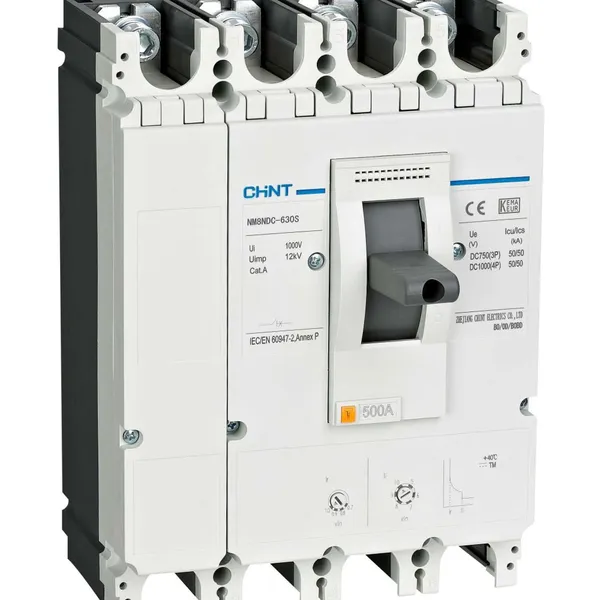
CHINT NM8NDC-630 DC 1000V/Ui High-Voltage Circuit Breaker With 630A Frame CurrentUS$ 425 - 625MOQ: 100 Units
-
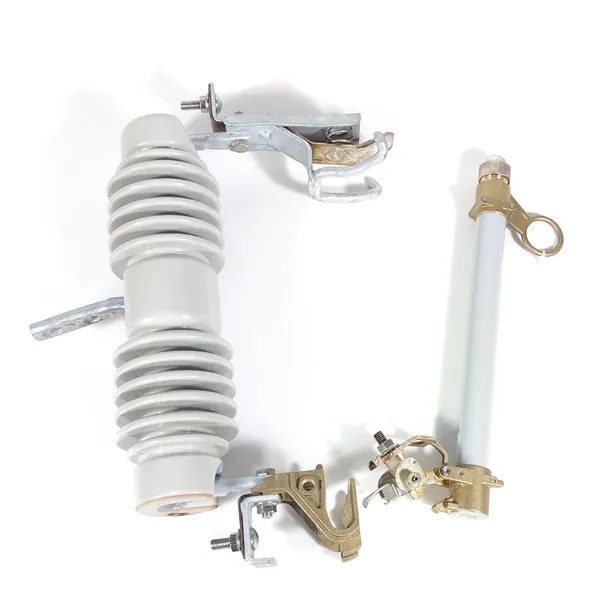
High Voltage Drop Out Fuse Cutout 33KV 27KV 24KV for Overhead LinesUS$ 35MOQ: 100 Units
-
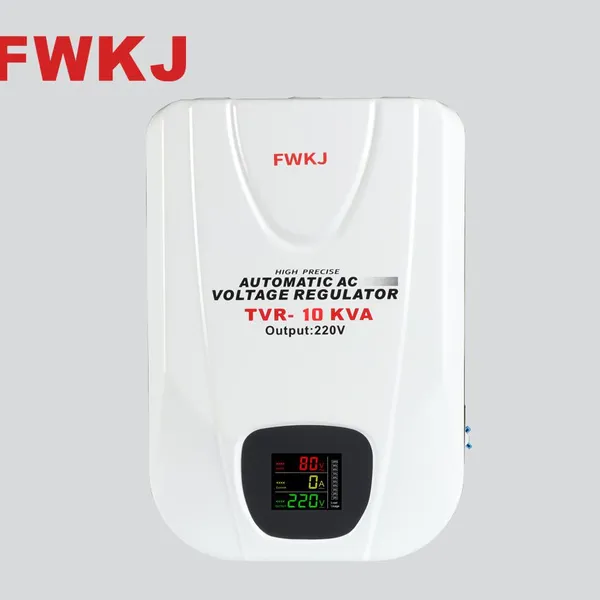
TVR-10 KVA Automatic Voltage Stabilizer 220V ±0.5% Accuracy for Laboratory InstrumentsUS$ 103 - 123MOQ: 1 Unit
-
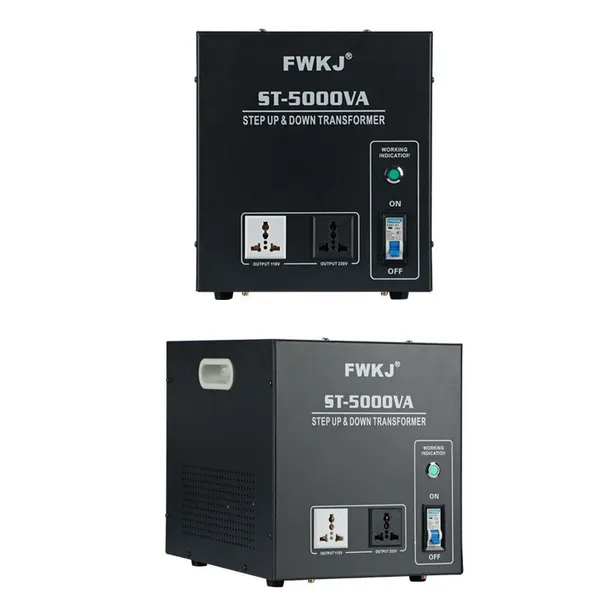
Universal 5000VA Voltage Transformer for International Appliances 110V-220VUS$ 102 - 107MOQ: 10 Units
-
500kV Three-Phase Oil-Immersed Auto Transformer 250MVA for Power GridsUS$ 800 - 9000MOQ: 1 Unit