
 Business License

IEC Vacuum Circuit Breaker Test
I recently saw a type test report for a 17.5kV vacuum circuit breaker made by a domestic manufacturer according to the IEC standard.
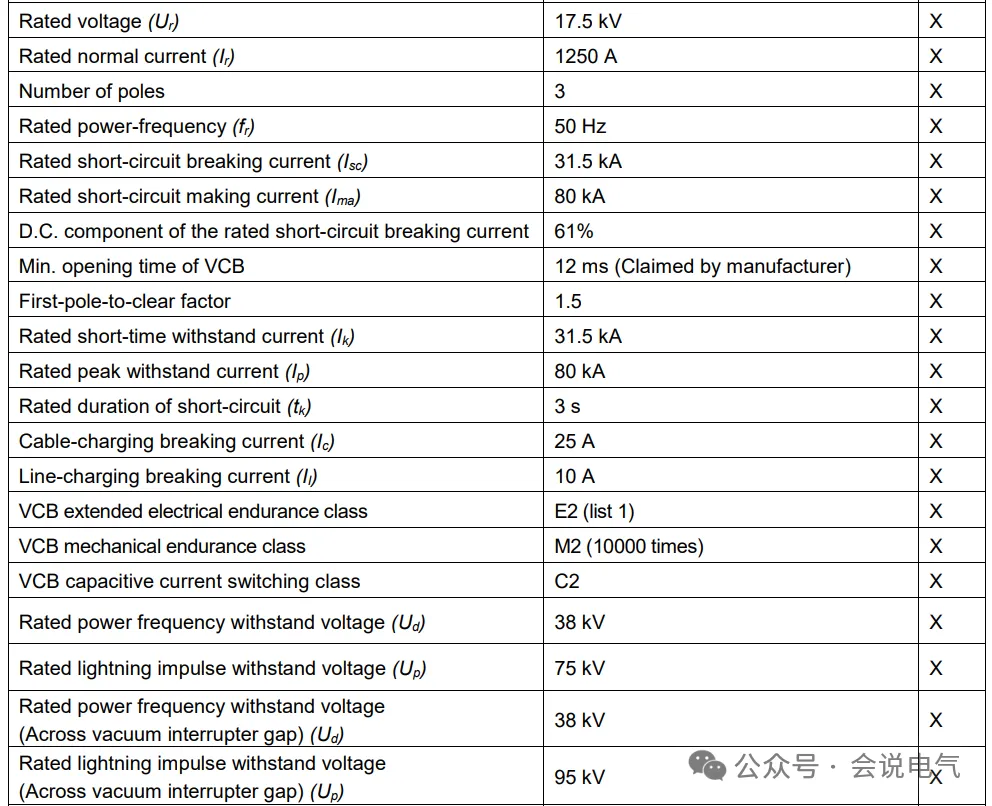
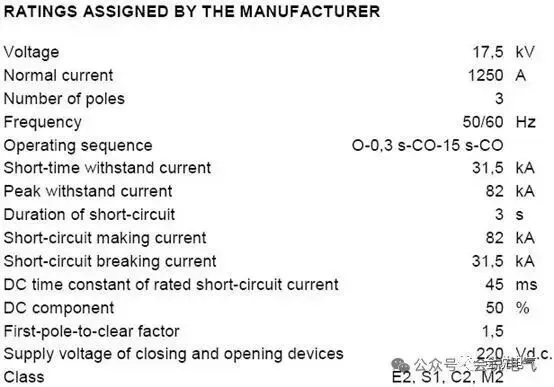
17.5kV rated continuous current 1250A, 3-phase, 50Hz, 31.5kA short-circuit breaking current, 80kA short-circuit closing current, DC component 61%. The power frequency withstand voltage is 38kV, the vacuum arc extinguishing chamber fracture is 38kV, the lightning impulse withstand voltage is 75kV, and the vacuum arc extinguishing chamber fracture is 95kV.
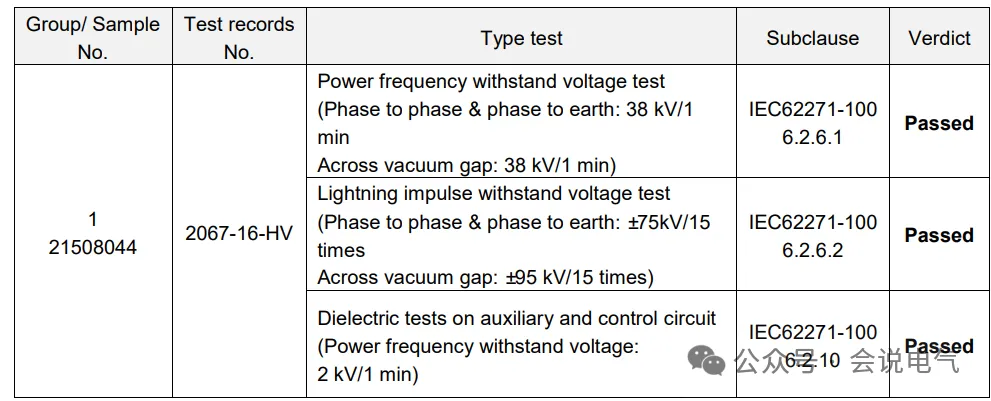
The vacuum circuit breaker does not have an isolation fracture. According to IEC standards, the fracture of the vacuum arc extinguishing chamber is generally consistent with the phase to phase and ground withstand voltages. The power frequency withstand voltage corresponding to 17.5kV is 38kV, and the isolation fracture is 45kV. In this IEC test, the phase to ground and vacuum fracture are both 38kV, and the fracture of the vacuum arc extinguishing chamber is not tested according to the 45kV isolation fracture.
There are two levels of impulse withstand voltage IEC 17.5kV, one is 75kV/isolation fracture 85kV, and the other is 95kV/isolation fracture 110kV.
For different grounding systems, the lightning impulse withstand voltage varies. For 17.5kV, 95/110kV are the requirements of foreign customers for lightning impulse withstand voltage, while 75 is almost non-existent. In some regions such as Southeast Asia and the Middle East, even with a rated voltage of 11kV, a lightning impulse withstand voltage of 95kV is required. Therefore, the lightning impulse withstand voltage must be tested according to the following parameters, namely 95/110kV, otherwise the 17.5kV test report is of little significance.
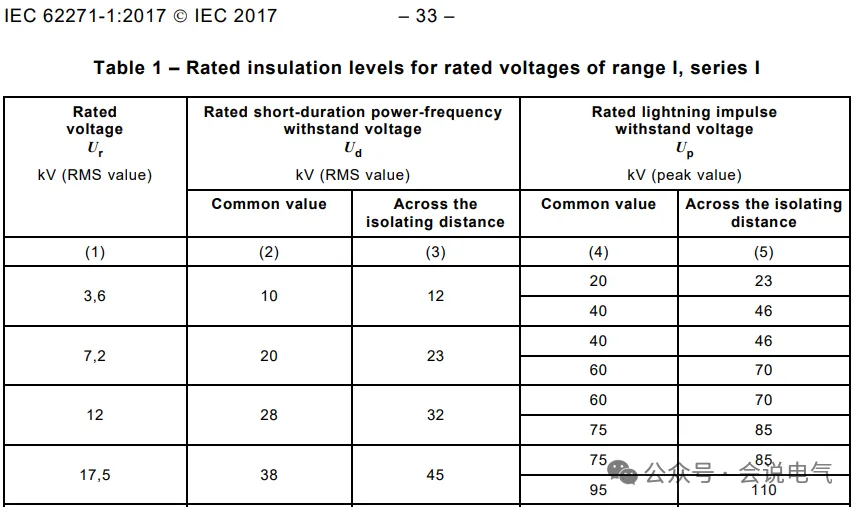
The pressure test of the vacuum arc extinguishing chamber fracture according to the isolation fracture is a characteristic of China, and there is no requirement for this in foreign countries.
Generally, for vacuum circuit breakers, there are many regions abroad that have a rated frequency of 60Hz. Therefore, if conditions permit, a 50/60Hz test can be conducted, with little difference in product quality. At the same time, a 50/60Hz breaking test can be covered, with a temperature rise of 60Hz, 2.6 times the peak current, and one test, while meeting the requirements of 50/60Hz. The test price does not increase significantly compared to separately conducting 50 or 60Hz, but a 50/60Hz test report can meet global market demand.
The standard operating cycle of our typical circuit breaker is O-0.3s-CO-180s-CO,
And many countries around the world require
O—0.3s—CO—15s—CO
Therefore, type testing can verify this operational cycle by conducting only two cycles of testing, which can be included in the report and better meet the needs of global customers.
The cable charging breaking current for GB 12kV is 25A, while the current for 17.5kV is 31.5A. Therefore, the above IEC test parameters are 25A, which does not meet the requirements of the IEC standard. The test parameters must be consistent with the standard requirements, and the testing agency also needs to check. If they do not meet the standards, they need to be marked as customer requirements.
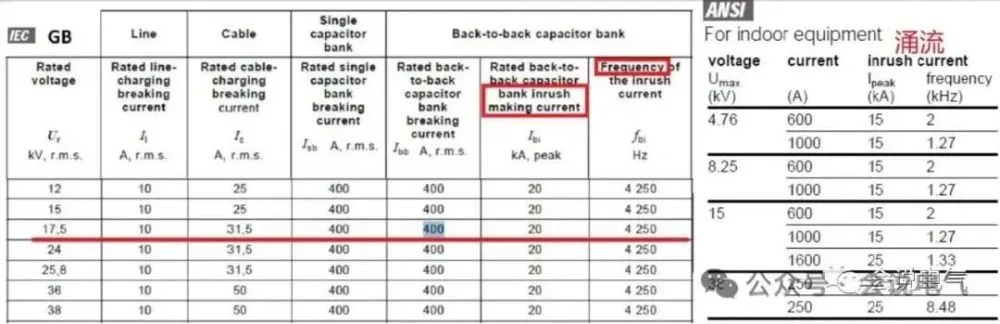
The IEC standard for capacitor switching is 400A for both single and back-to-back capacitor banks, and excessive parameters have little significance and higher risks.
Single phase grounding and out of phase grounding are required for most medium voltage power systems in foreign countries, where the neutral point is directly grounded. This requires a single-phase grounding test. However, in our country, the neutral point is not effectively grounded, so out of phase grounding tests are required. Considering the applications around the world, both single-phase and out of phase grounding tests can be conducted.
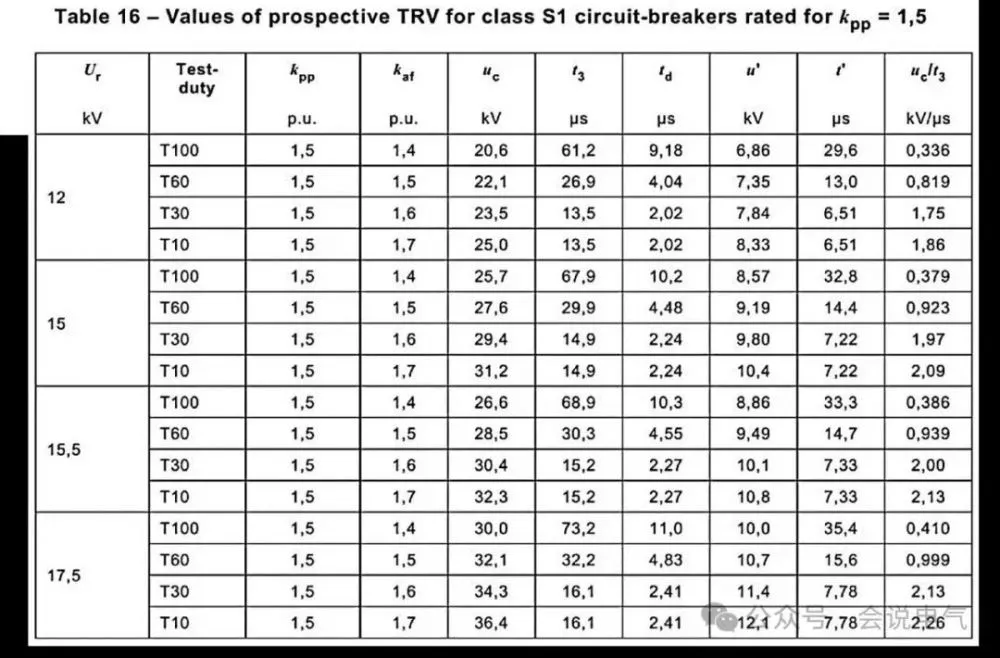
For the opening and closing of circuit breakers, the transient recovery voltage TRV of IEC 17.5kV and GB 12kV are different, so the TRV test specified in IEC62271-100 standard needs to be followed. Foreign customers attach great importance to the parameters of TRV, which are required in the technical response document to meet the standards.
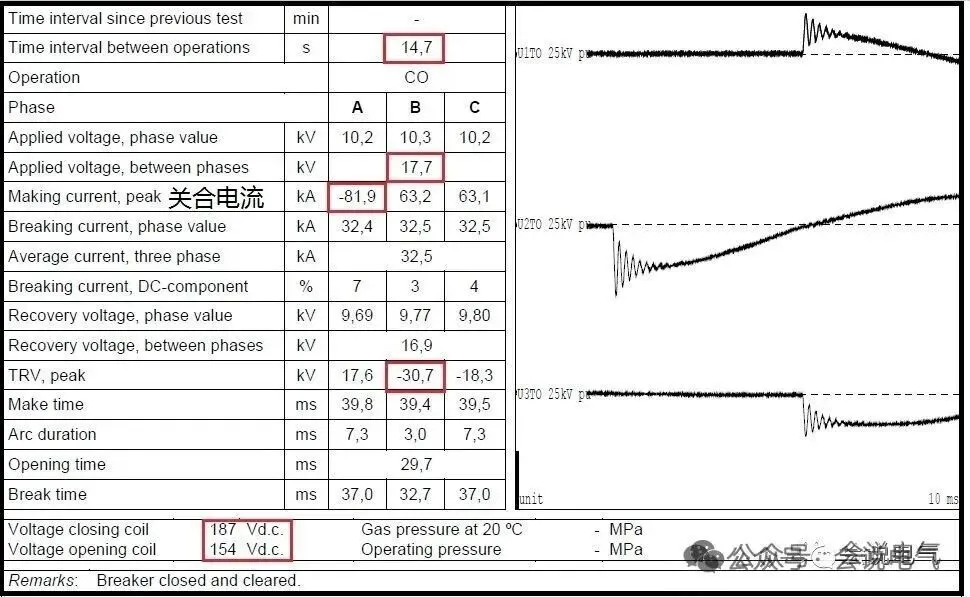
In the following test report, the first step is to conduct a test at an O-CO-CO 15s (14.7s) time interval, using a voltage of 17.7kV and 60Hz. The short-circuit closing current (peak value) is 2.6 times the breaking current (effective value), and 31.5kA corresponds to 82kA. The TRV30.7kV is 100% broken, and the control voltage range is in accordance with the standard.
We spent money to conduct IEC tests in order to enter foreign markets, but the parameters were not met, and the money was spent without achieving the desired results. Therefore, it is necessary to carefully study the standards, develop test parameters according to the standards and customer requirements, so that the IEC test report is cost-effective and meets the requirements of foreign customers.
~END
Recently Posted
-
Transformer Factory Tests: Routine, Type and Special Tests Explained
August 28, 2026An importer once accepted a transformer shipment without reading the test report, only to find the unit failed on site because its Read More
 -
UL891 distribution panel
August 28, 2026Switchgear and separately separated distribution panels require a rear channel for connecting incoming and outgoing feeder cables.
Read More -
Oil-Immersed Transformers for Solar PV Power Plants
August 27, 2026A solar developer once watched a new plant lose several weeks of generation because the transformer feeding the grid connection fa Read More
 -
Dry-Type vs Oil-Immersed Transformer: How to Choose
August 26, 2026A facilities engineer once had to shut down a hospital wing because the transformer serving it leaked oil onto the floor below. Th Read More

Contact Us
Recommended Products
-
 Single Phase Oil Immersed Transformer 10KVA 15KVA 25KVA 37.5KVA Standard CompliantNegotiableMOQ: 2 Units
 -
Electrical Arc Furnace Transformers up to 120MVA - Certified for Steel Industry ApplicationsUS$ 8000 - 10000MOQ: 1 Unit
-
3-Phase Oil Type Transformer 5-Year Warranty With Load Test ReportUS$ 5428 - 5628MOQ: 1 Unit
-
Three Phase Oil Filled Transformer for Mining Operations Dust-Proof DesignUS$ 5428 - 5628MOQ: 1 Unit
-
HV Three Phase Oil Filled Transformer With ONAN Cooling 500kVA-2500kVAUS$ 5428 - 5628MOQ: 1 Unit
-
11/24/33KV High Voltage Isolation Switch With Mill Test ReportUS$ 800MOQ: 1 Unit
-
3-Pole Outdoor Isolation Switch With 5-Year Warranty and Compliance TestingUS$ 800MOQ: 1 Unit
-
YH5WZ 3KV-110KV Zinc Oxide Arrester for Power Station Outdoor High Voltage DistributionUS$ 21MOQ: 100 Units
-
Outdoor SF6 Load Break Switch LW30-72.5/1250A 24KV 630A 16KA Three PhaseUS$ 10000MOQ: 1 Unit
-
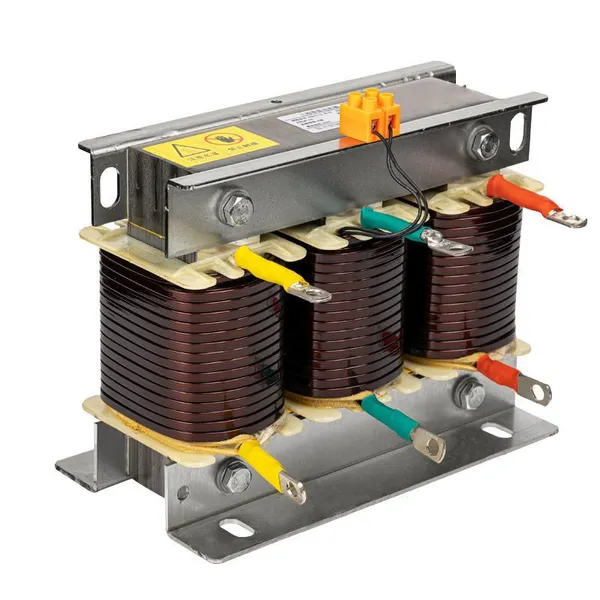
Input Line Reactor for CNC Machine Frequency Converters, 400V 60HzUS$ 65MOQ: 5 Units
-
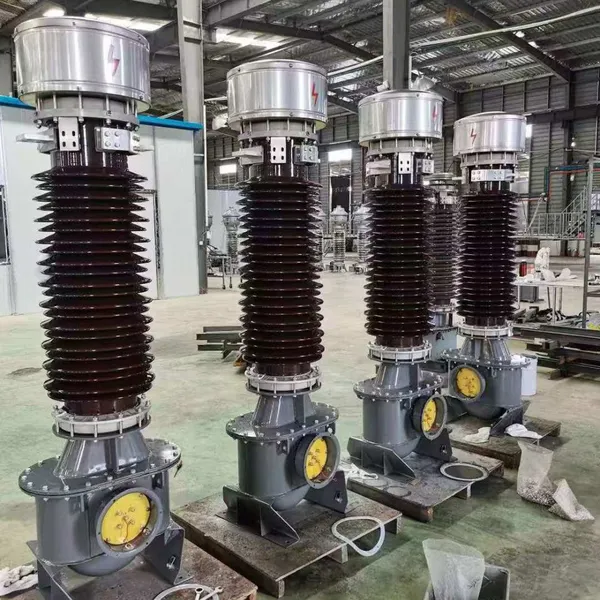
Industrial Grade 35-220KV Oil-Immersed Current Transformer for SubstationsUS$ 480 - 500MOQ: 3 Units
-
LZZBJ9-20 Indoor 24kV High Voltage Cabinet Single-Phase 5-20 for Industrial Power SystemsUS$ 250MOQ: 3 Units
-
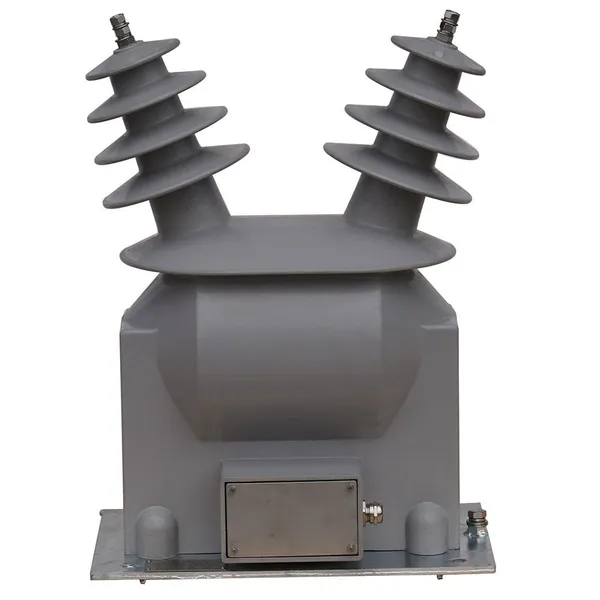
17.5 KV Full-enclosed Outdoor Epoxy Resin Casting and Double Pole Insulated Voltage TransformerUS$ 90 - 100MOQ: 1 Piece
-
Three Phase 30kVA SVC Voltage Regulator for Textile Manufacturing, Stable OutputUS$ 159MOQ: 10 Units
-
Amorphous Core 25kVA Transformer Compliant With IEC Standards for Power DistributionUS$ 1300 - 2900MOQ: 2 Units
-
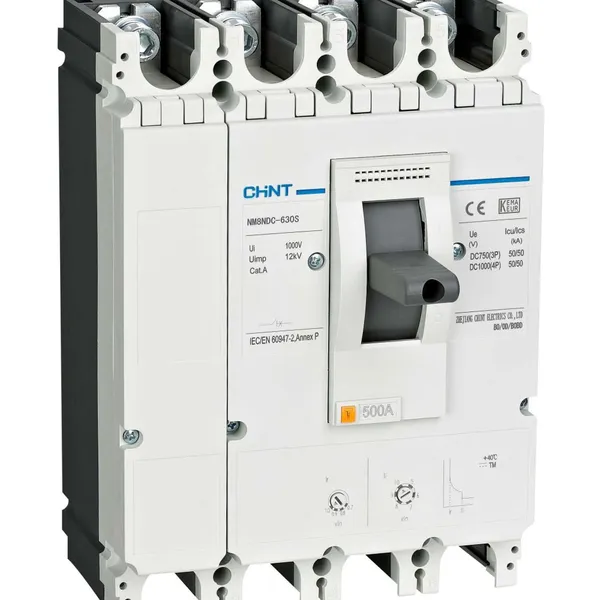
CHINT NM8NDC-630 DC 1000V/Ui High-Voltage Circuit Breaker With 630A Frame CurrentUS$ 425 - 625MOQ: 100 Units
-
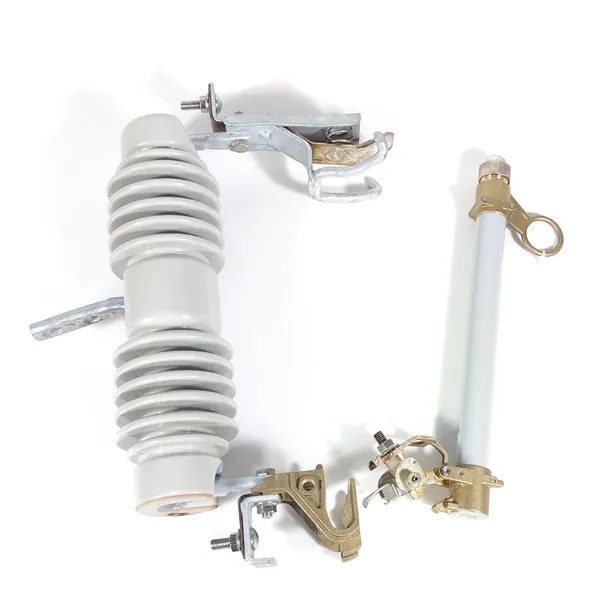
High Voltage Drop Out Fuse Cutout 33KV 27KV 24KV for Overhead LinesUS$ 35MOQ: 100 Units
-
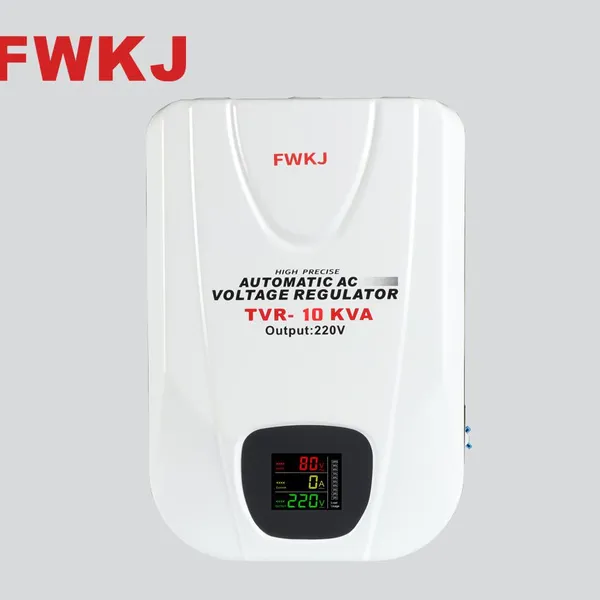
TVR-10 KVA Automatic Voltage Stabilizer 220V ±0.5% Accuracy for Laboratory InstrumentsUS$ 103 - 123MOQ: 1 Unit
-
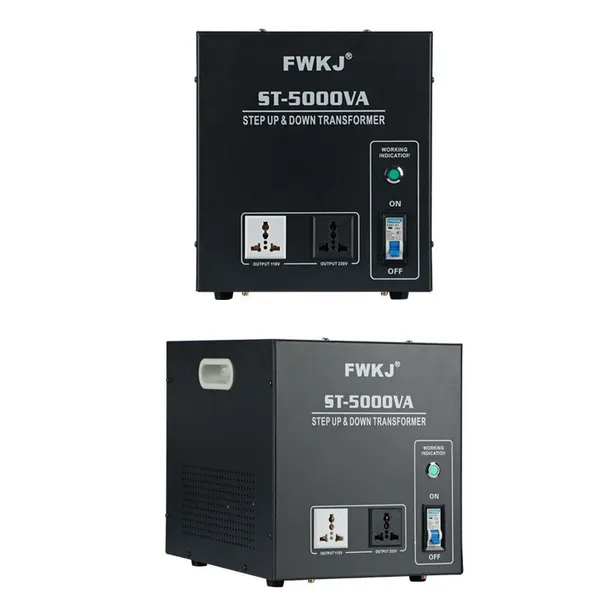
Universal 5000VA Voltage Transformer for International Appliances 110V-220VUS$ 102 - 107MOQ: 10 Units
-
500kV Three-Phase Oil-Immersed Auto Transformer 250MVA for Power GridsUS$ 800 - 9000MOQ: 1 Unit