
 Business License

Application of Low Voltage Switchgear Data Center Prefabricated Warehouse
Prefabricated warehouses have become the preferred solution for applications such as data centers and new energy. High and low voltage switchgear, like UPS and energy storage batteries, are all placed inside prefabricated warehouses.
If standard containers are used, the depth of the switchgear should be small, generally within 900mm. The switchgear should be installed against the wall and fully installed and maintained in front of the cabinet.
For high current applications, a 4000/5000A frame circuit breaker is used, with one withdrawable frame circuit breaker installed in each switchgear. The front connection of the cabinet can be in the lower compartment of the circuit breaker, and the lower end of the circuit breaker is vertically connected to a copper bar for installing current transformers. Then, cables are connected to the copper bar. Generally, there are many cables and a large space is required for cable connection and cable bending.
For the upper incoming line, the lower copper bar is connected to the horizontal busbar, and for the top incoming line of the cable cabinet, sufficient space is reserved for cable connection.
4000A uses 11 500MCM copper core cables or 9 750MCM copper core cables, while 5000A uses 14 500MCM copper core cables or 11 750MCM copper core cables,
The cross-section of an American standard 500MCM cable is approximately 253 square millimeters, with a cable bending space of 330mm. The cross-section of a 750MCM cable is approximately 380 square millimeters, with a cable bending space of at least 534mm.
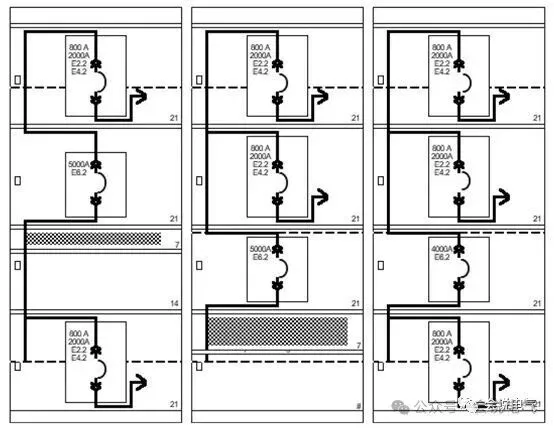
The upper circuit breaker is connected to the horizontal main busbar, and the vertical end is directly connected to the horizontal busbar at the back of the cabinet. The 5000A high current horizontal busbar requires 6 6 6 × 125mm copper bars, which can be supported by insulators or busbar clamps. The arrangement at the back of the cabinet is conducive to heat dissipation, and the length of the copper bar connected to the circuit breaker is short, resulting in less heat generation.
The upper circuit breaker compartment generally requires the installation of control and protection devices such as instruments and wiring. In order to ensure the horizontal busbar connection between cabinets or facilitate the connection of upper cables, the instrument installation panel adopts a flip type door panel structure, which can be opened and pulled out to the front of the cabinet for easy horizontal busbar connection on site.
The horizontal busbar is installed at the back of the cabinet and can be arranged in groups of upper, middle, and lower according to the system diagram. The three groups of busbars can operate independently, such as double busbars, connected to the upper and lower busbars through a busbar circuit breaker, or run in parallel to carry high currents.
For the outgoing line of the frame circuit breaker, the horizontal busbar is directly connected to the vertical busbar, and then connected to the outgoing circuit breaker through the vertical busbar. According to the cable connection arrangement, copper bars can be connected to the upper or lower ends of the circuit breaker.
To connect the cables in front of the cabinet, it is necessary to connect the copper busbar of the frame circuit breaker to the front cabinet of the cabinet. One switch cabinet can install four frame circuit breakers, and the outgoing copper busbar should be connected to the circuit breaker terminals vertically. Then, it should be arranged vertically by bending the busbar and connected to the side cabinet to connect the cables.
The outgoing line of the frame circuit breaker can be used as the incoming line of the UPS, or the outgoing line of the UPS can be connected to the switchgear and redistributed to the IT load.
For the outgoing lines of molded case circuit breakers, copper bars are also connected directly to the horizontal and vertical busbars behind the cabinet, and the vertical busbars are then connected to the horizontally arranged circuit breaker terminals. One switchgear can install 32 150A molded case circuit breakers with cable outgoing lines on both sides, or 8 250/400A circuit breakers with cable outgoing lines on one side
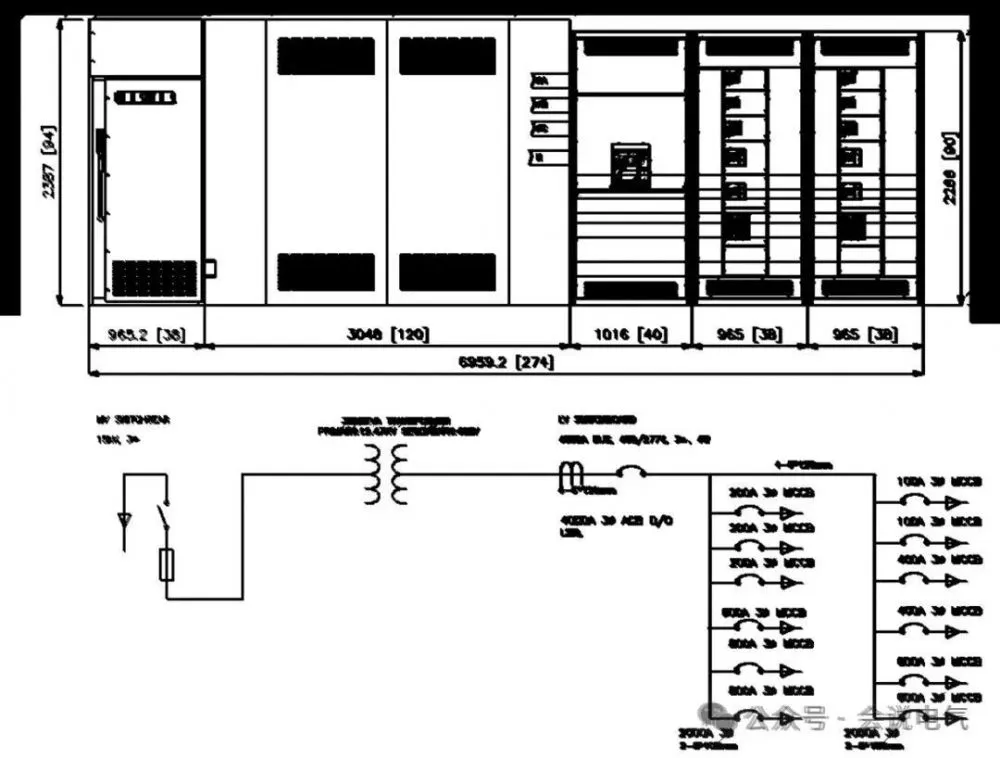
Molded case circuit breakers are mainly used for applications such as cooling and mechanical loads.
Low voltage switchgear can also be equipped with transformers to convert 480V voltage to 415V. The outgoing lines are arranged in groups of molded case circuit breakers or independent distribution boxes can be installed for IT load applications.
~END
Recently Posted
-
Insulation issues of contact boxes for voltages of 24kV and above
September 8, 2026For medium voltage withdrawable circuit breaker switchgear, the contact box is a key insulation component. The main functions of t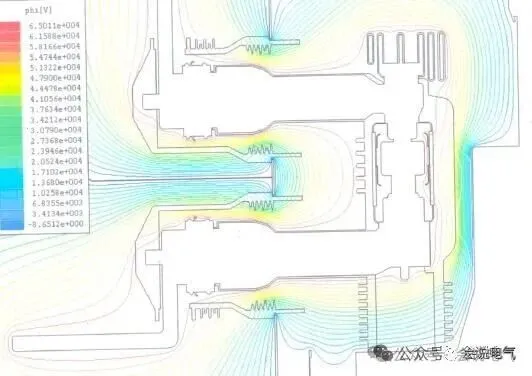 Read More
 -
Typical Primary Scheme and Layout of American Standard Low Voltage Switchgear
September 7, 2026The UL1558/IEEE C37.20.1 standard is the standard for American standard low-voltage power switchgear. As a primary distribution sw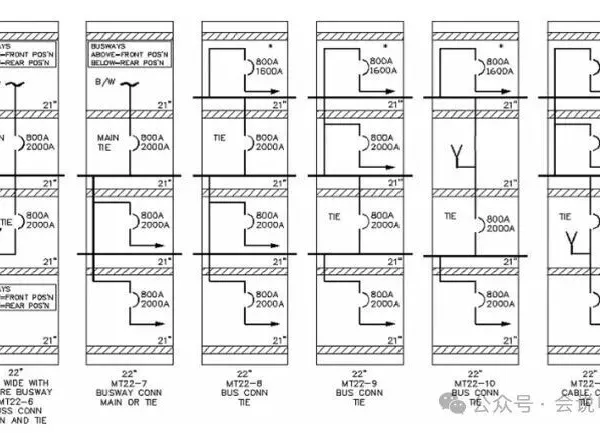 Read More
 -
The difference between Chinese made 40.5kV switchgear and North American 38kV switchgear
September 7, 2026Chinese made 40.5kV switchgear, with a power frequency withstand voltage of 95kV, lightning impulse withstand voltage of 185kV, an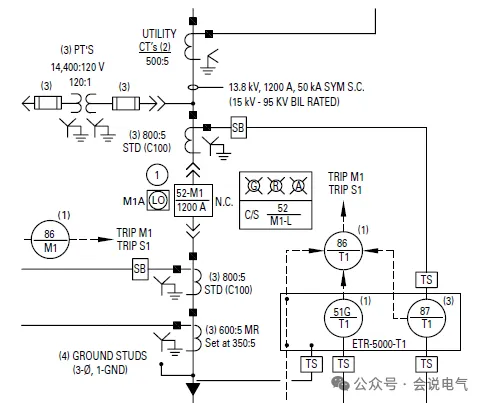 Read More
 -
The history of medium voltage switchgear
September 4, 2026Medium voltage circuit breakerIn 1895, GE developed the first oil circuit breaker, and in 1915, GE installed the first metal armor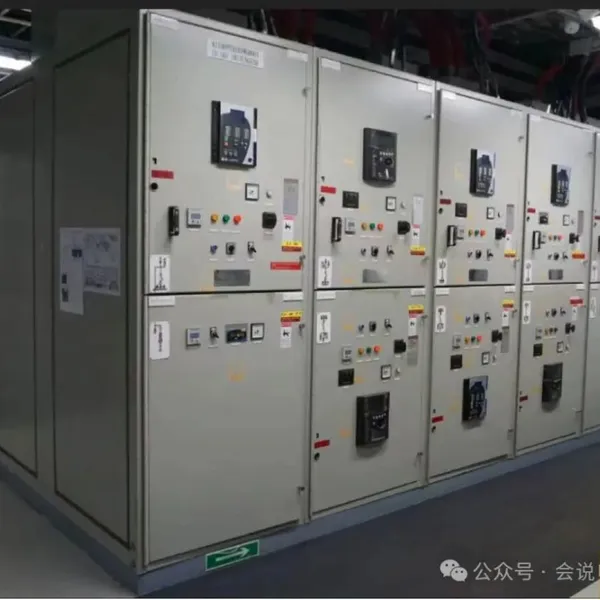 Read More

Contact Us
Recommended Products
-
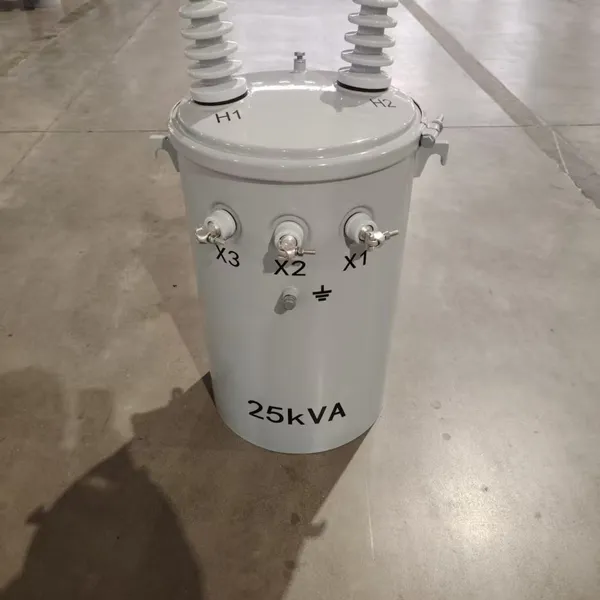
 Single Phase Oil Immersed Transformer 10KVA 15KVA 25KVA 37.5KVA Standard CompliantNegotiableMOQ: 2 Units
 -
Electrical Arc Furnace Transformers up to 120MVA - Certified for Steel Industry ApplicationsUS$ 8000 - 10000MOQ: 1 Unit
-
3-Phase Oil Type Transformer 5-Year Warranty With Load Test ReportUS$ 5428 - 5628MOQ: 1 Unit
-
Three Phase Oil Filled Transformer for Mining Operations Dust-Proof DesignUS$ 5428 - 5628MOQ: 1 Unit
-
HV Three Phase Oil Filled Transformer With ONAN Cooling 500kVA-2500kVAUS$ 5428 - 5628MOQ: 1 Unit
-
11/24/33KV High Voltage Isolation Switch With Mill Test ReportUS$ 800MOQ: 1 Unit
-
3-Pole Outdoor Isolation Switch With 5-Year Warranty and Compliance TestingUS$ 800MOQ: 1 Unit
-
YH5WZ 3KV-110KV Zinc Oxide Arrester for Power Station Outdoor High Voltage DistributionUS$ 21MOQ: 100 Units
-
Outdoor SF6 Load Break Switch LW30-72.5/1250A 24KV 630A 16KA Three PhaseUS$ 10000MOQ: 1 Unit
-
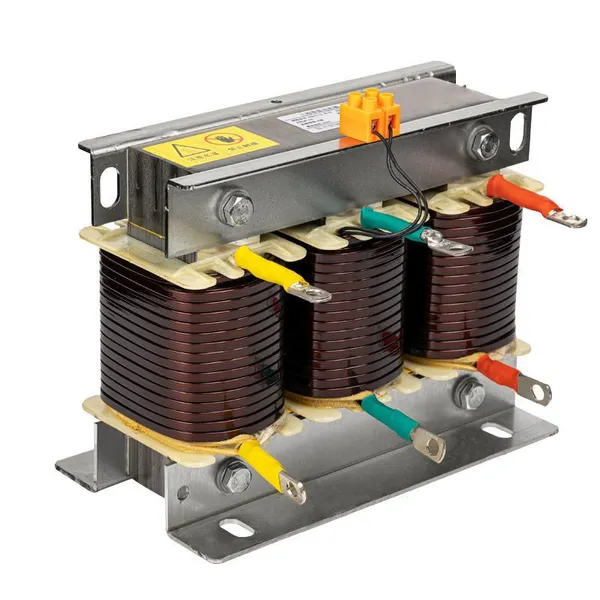
Input Line Reactor for CNC Machine Frequency Converters, 400V 60HzUS$ 65MOQ: 5 Units
-
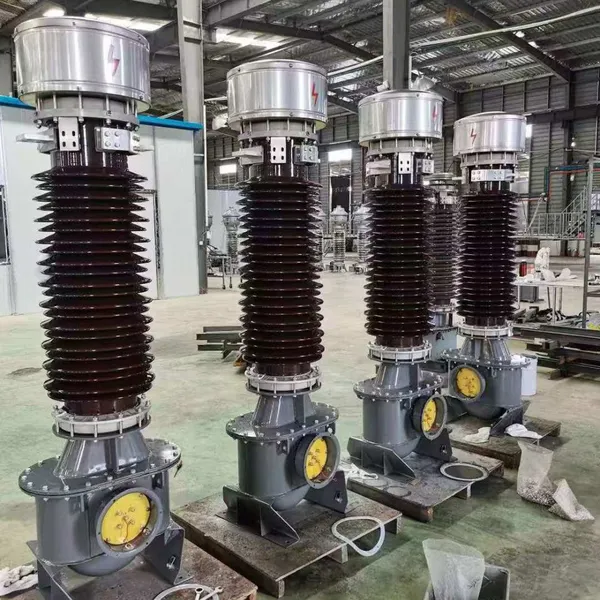
Industrial Grade 35-220KV Oil-Immersed Current Transformer for SubstationsUS$ 480 - 500MOQ: 3 Units
-
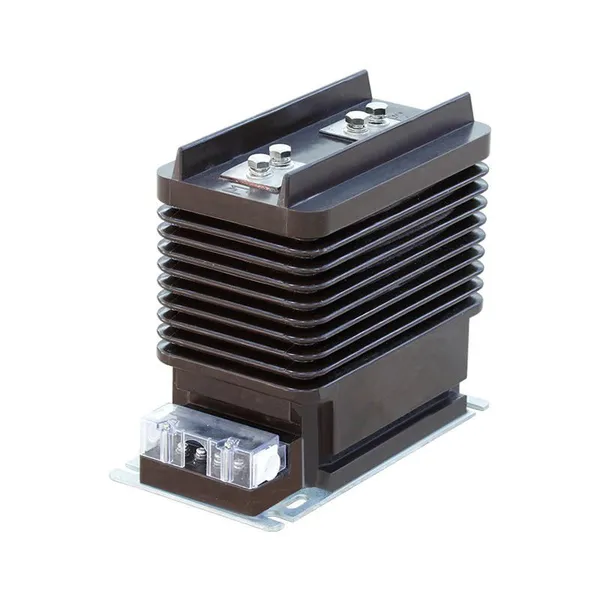
LZZBJ9-20 Indoor 24kV High Voltage Cabinet Single-Phase 5-20 for Industrial Power SystemsUS$ 250MOQ: 3 Units
-
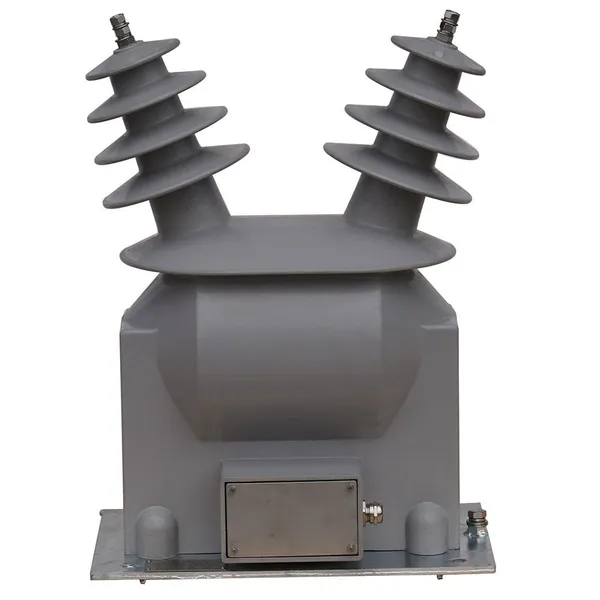
17.5 KV Full-enclosed Outdoor Epoxy Resin Casting and Double Pole Insulated Voltage TransformerUS$ 90 - 100MOQ: 1 Piece
-
Three Phase 30kVA SVC Voltage Regulator for Textile Manufacturing, Stable OutputUS$ 159MOQ: 10 Units
-
Amorphous Core 25kVA Transformer Compliant With IEC Standards for Power DistributionUS$ 1300 - 2900MOQ: 2 Units
-
CHINT NM8NDC-630 DC 1000V/Ui High-Voltage Circuit Breaker With 630A Frame CurrentUS$ 425 - 625MOQ: 100 Units
-
High Voltage Drop Out Fuse Cutout 33KV 27KV 24KV for Overhead LinesUS$ 35MOQ: 100 Units
-
TVR-10 KVA Automatic Voltage Stabilizer 220V ±0.5% Accuracy for Laboratory InstrumentsUS$ 103 - 123MOQ: 1 Unit
-
Universal 5000VA Voltage Transformer for International Appliances 110V-220VUS$ 102 - 107MOQ: 10 Units
-
500kV Three-Phase Oil-Immersed Auto Transformer 250MVA for Power GridsUS$ 800 - 9000MOQ: 1 Unit