
 Business License

Connection of copper bars in switchgear
Switchgear is not simply using copper bars to connect components according to a system diagram, which involves complex system engineering.
Insulation is the top priority. If the insulation performance of the switchgear cannot be met, it cannot be used normally and faces the risk of discharge explosion at all times. Copper bars are charged bodies. During normal operation, the charged bodies need to withstand normal operating voltage and overvoltage such as operation and lightning between them and the surrounding grounding components. Therefore, there must be sufficient electrical clearance between the copper bar connection and the grounding components, and the supporting parts need to have sufficient creepage distance.
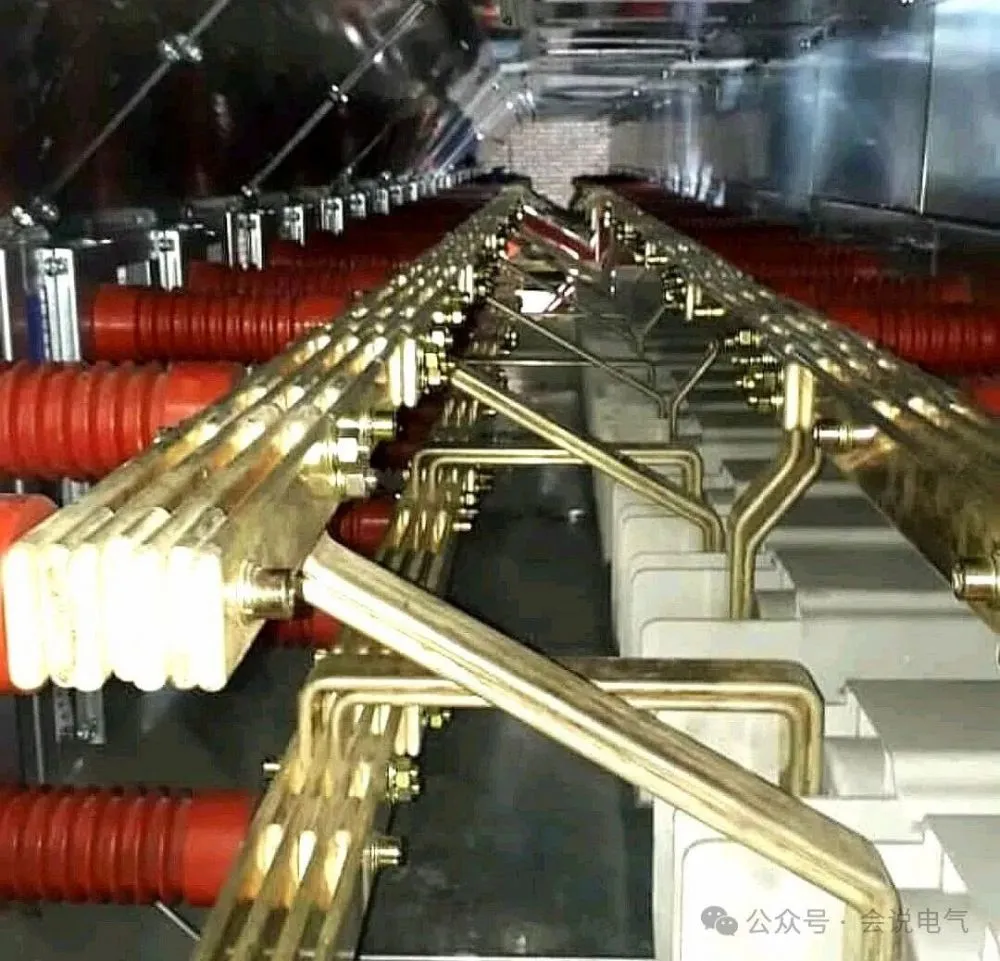
The temperature rise of continuous current is also the most complex part. Copper bars cannot simply connect components together, and it is necessary to ensure that they do not generate excessive heat during long-term operation. Heating will cause the temperature of insulation components such as supports to be high. If the temperature of insulation components is too high, it will accelerate their aging, leading to insulation failure. Ultimately, it will affect the long-term stable operation of switchgear.
The temperature rise control of switchgear includes two parts: heating and cooling. Balanced control of each node is very important. Sometimes, in order to save copper bars, reducing the length of the copper bars may actually increase the temperature rise of local key points. This is because the length of the copper bars is smaller, and some points have less heat dissipation, resulting in an increase in temperature rise.
The temperature rise of circuit breaker contacts is huge. If the copper bars are saved, the contacts will generate a large amount of heat, and the copper bars will also generate a large amount of heat without any space for heat dissipation, resulting in an increase in the temperature rise of the contacts.
Adding copper bars is equivalent to conducting heat to areas with lower temperatures, and an extended copper bar is equivalent to a heat sink, effectively reducing the temperature rise of the contacts. Reducing heat accumulation is beneficial for balancing the heat generation inside the switchgear and effectively utilizing space
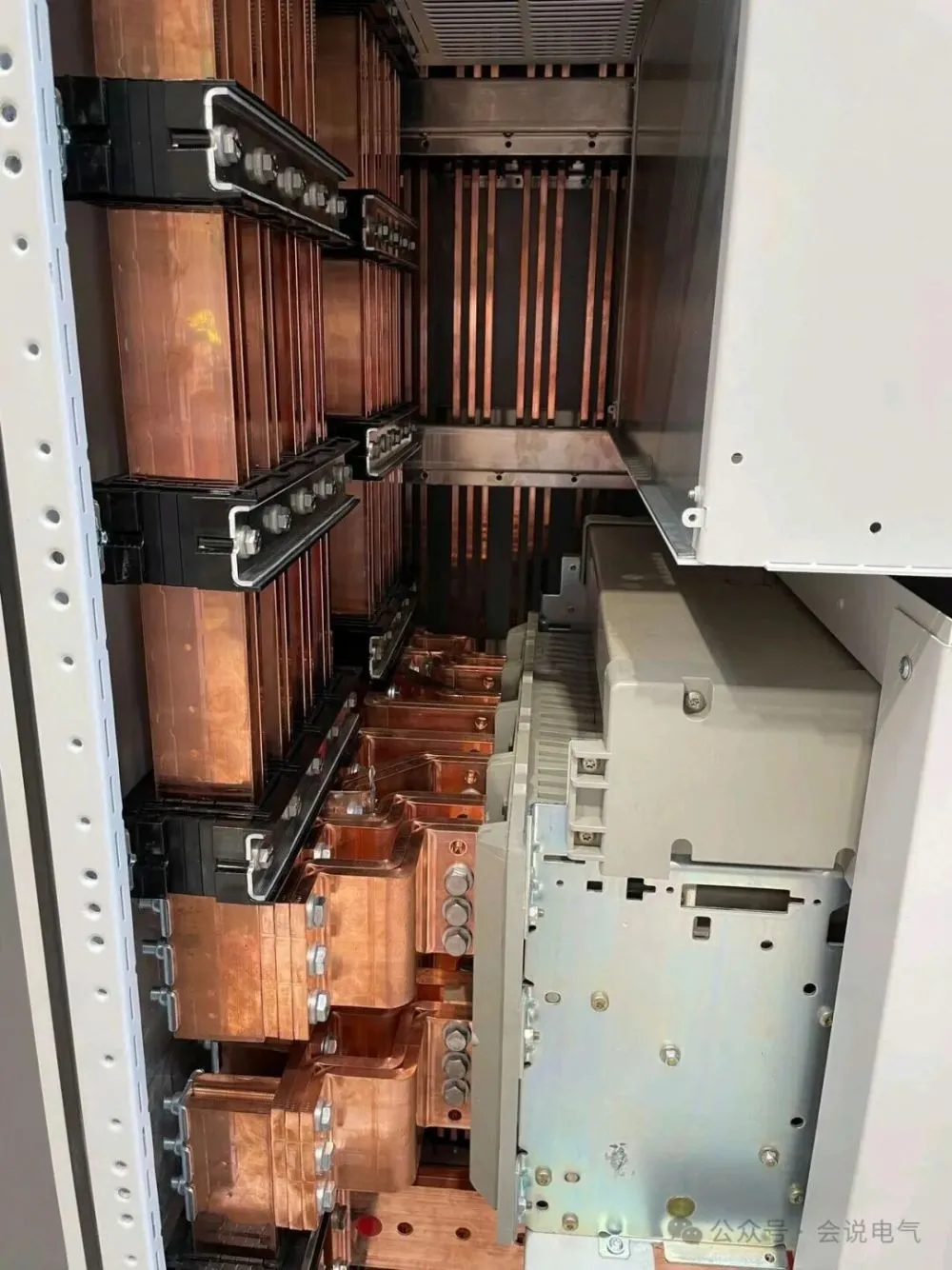
If the length of the plum blossom contact is increased and the heat dissipation area is increased, the high heat generation of the contact point can be balanced, thereby reducing the diameter and temperature rise of the contact.
The method to save copper bars is not only to reduce their length, but also to reduce heat generation by 20% through vertical end connections and vertical busbar connections. Irregular aluminum bars, without using copper bars, can also reduce costs.
Grouping arrangement of high current busbars, using multiple small cross-sectional copper bars instead of large cross-sectional copper bars, significantly reduces current dispersion, proximity effect skin effect, etc., increases copper bar utilization, and effectively reduces cross-sectional area.
In addition, ventilation design can ensure smooth airflow and effectively reduce temperature rise.
The ability to withstand short-circuit currents requires copper bars to withstand the thermal effects of short-circuit currents. Through a short-circuit current of 1 second (low voltage)/3 seconds (medium voltage) (usually tens to 100/200kA), the copper bars will not melt or soften. When the peak value of short-circuit current passes through, the copper bars can maintain their relative position without deformation, which can lead to insulation failure.
Between parallel copper bars, under the action of short-circuit current electric force, a torque will be generated. If the supporting strength of insulators, busbar clamps, etc. is insufficient to resist the electric force, it will
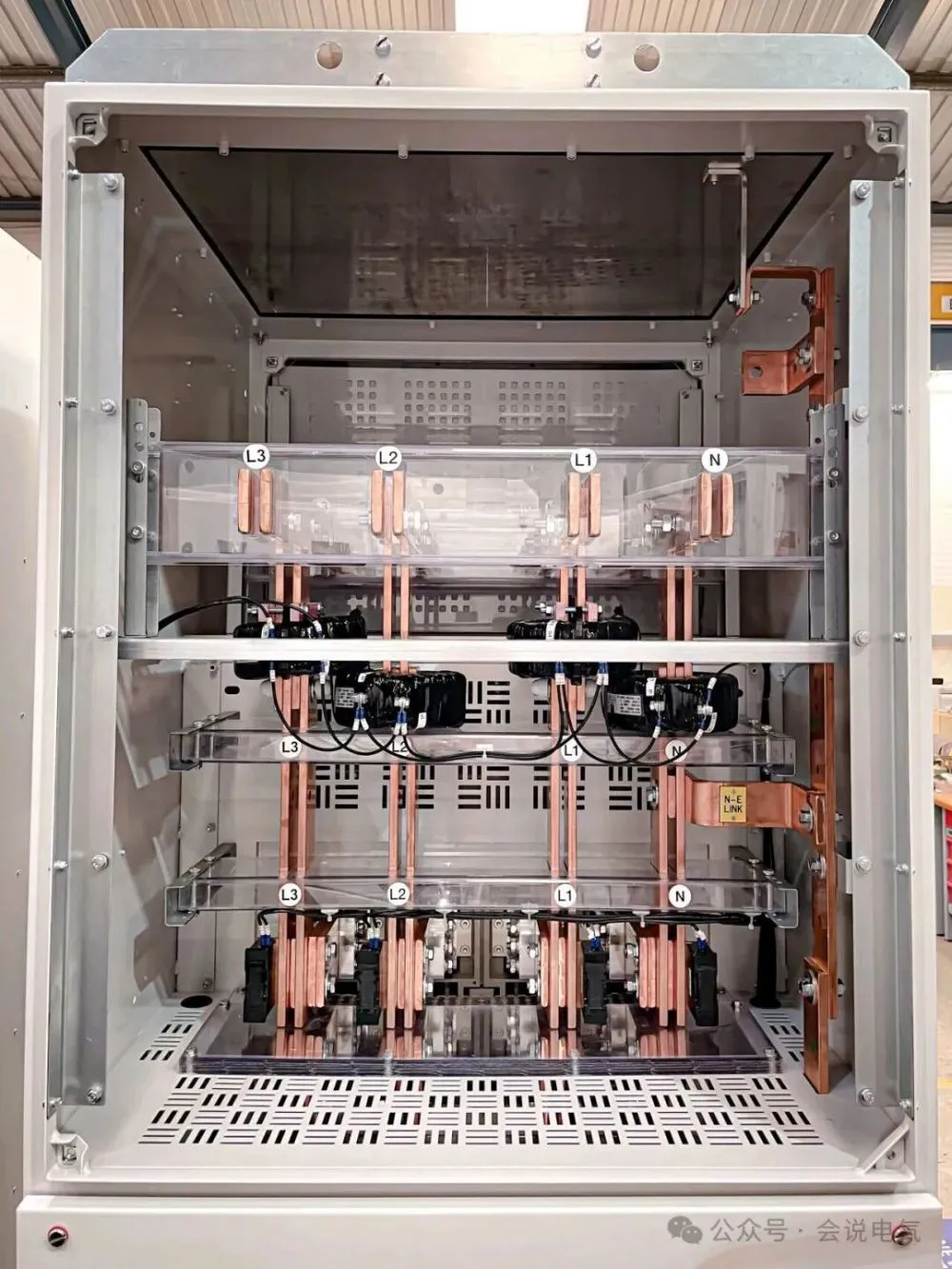
In addition, the short-circuit current electromotive force is directly proportional to the shape coefficient. When the cross-sectional size of the conductor is large or the distance between conductors is small, the actual electric force will change due to uneven magnetic field distribution, and it needs to be corrected through shape factor.
The shape factor is used to correct the difference between the actual conductor's cross-sectional shape, size, and relative distance between conductors and the theoretical "slender conductor" electrodynamic force. Generally, the closer the width to thickness ratio is to 1 (such as square, circle, etc.) or the larger the distance between conductors, the closer the correction factor is to 1; When the conductor is placed vertically, it is usually less than 1, and when placed horizontally, it is usually greater than 1. The vertical discharge power of the conductor decreases.
~END
Recently Posted
-
Internal arc test of North American medium voltage switchgear
September 11, 2026The most commonly referenced arc resistance standards in North America are American standard ANSI/IEEE C37.20.7 and EEMAC G14-1The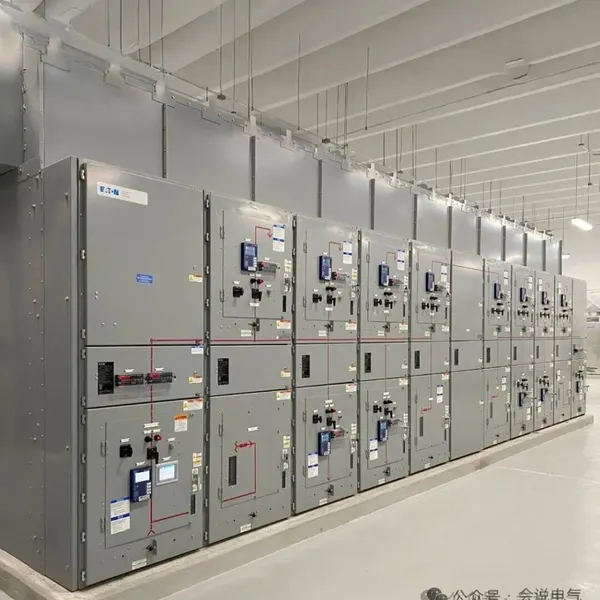 Read More
 -
North American solid insulated ring main unit
September 10, 2026A switchgear system capable of operating at voltages up to 27 kV includes an enclosure containing atmosphere and a load circuit br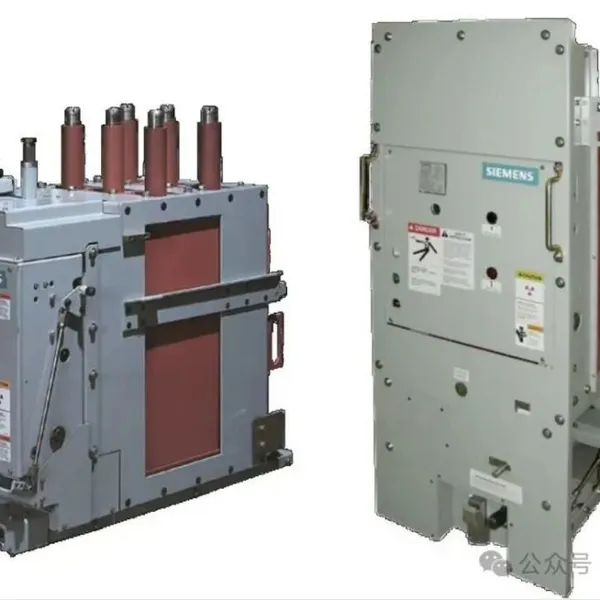 Read More
 -
North American air insulated ring main unit
September 9, 2026North American Ring Network Distribution SystemRated voltage and insulation voltagePME pad mounted switchgear is used for air insu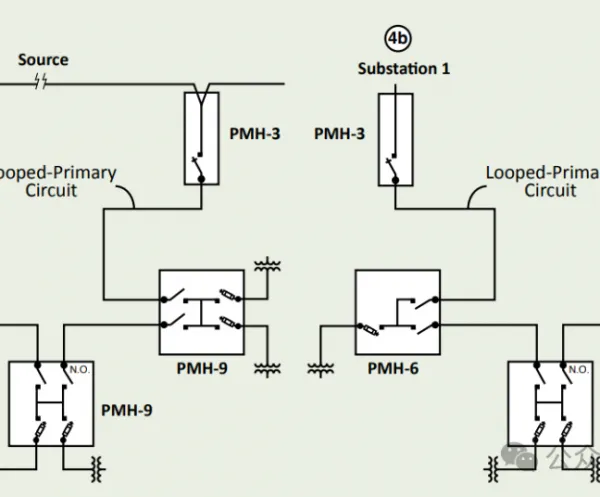 Read More
 -
Insulation issues of contact boxes for voltages of 24kV and above
September 8, 2026For medium voltage withdrawable circuit breaker switchgear, the contact box is a key insulation component. The main functions of t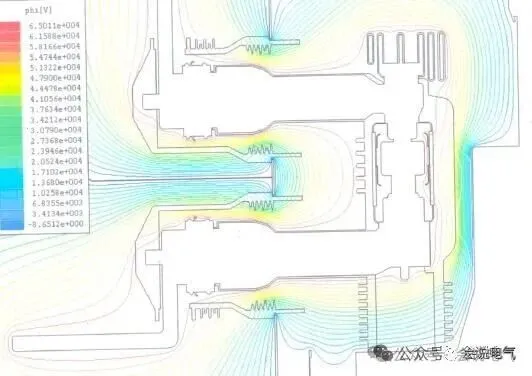 Read More

Contact Us
Recommended Products
-
 Single Phase Oil Immersed Transformer 10KVA 15KVA 25KVA 37.5KVA Standard CompliantNegotiableMOQ: 2 Units
 -
Electrical Arc Furnace Transformers up to 120MVA - Certified for Steel Industry ApplicationsUS$ 8000 - 10000MOQ: 1 Unit
-
3-Phase Oil Type Transformer 5-Year Warranty With Load Test ReportUS$ 5428 - 5628MOQ: 1 Unit
-
Three Phase Oil Filled Transformer for Mining Operations Dust-Proof DesignUS$ 5428 - 5628MOQ: 1 Unit
-
HV Three Phase Oil Filled Transformer With ONAN Cooling 500kVA-2500kVAUS$ 5428 - 5628MOQ: 1 Unit
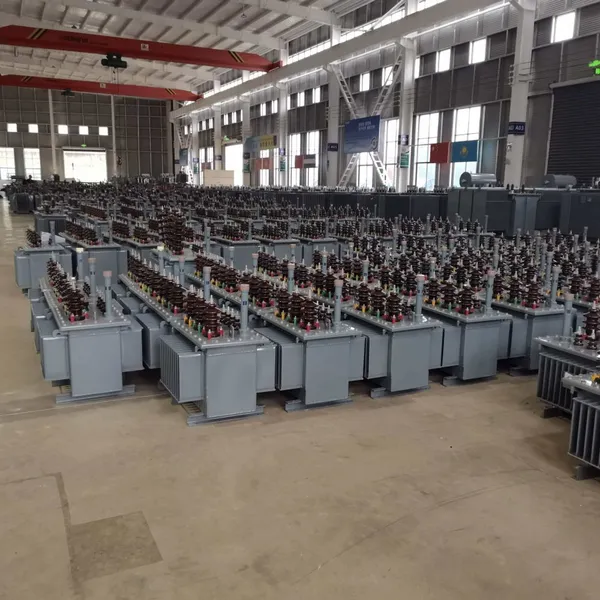
-
11/24/33KV High Voltage Isolation Switch With Mill Test ReportUS$ 800MOQ: 1 Unit
-
3-Pole Outdoor Isolation Switch With 5-Year Warranty and Compliance TestingUS$ 800MOQ: 1 Unit
-
YH5WZ 3KV-110KV Zinc Oxide Arrester for Power Station Outdoor High Voltage DistributionUS$ 21MOQ: 100 Units
-
Outdoor SF6 Load Break Switch LW30-72.5/1250A 24KV 630A 16KA Three PhaseUS$ 10000MOQ: 1 Unit
-
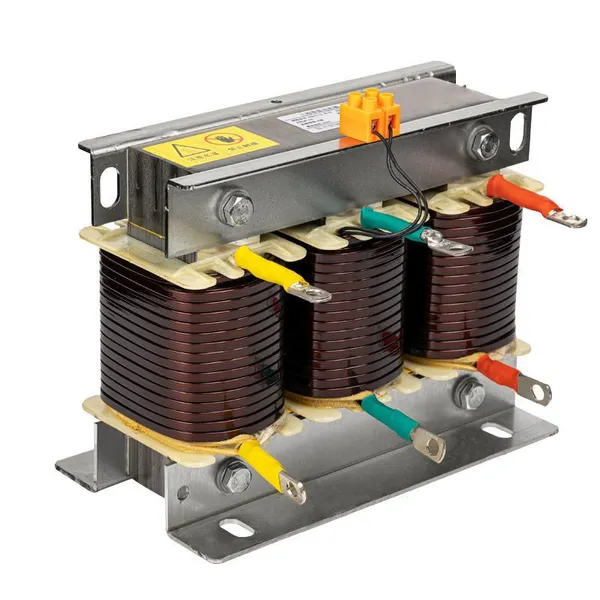
Input Line Reactor for CNC Machine Frequency Converters, 400V 60HzUS$ 65MOQ: 5 Units
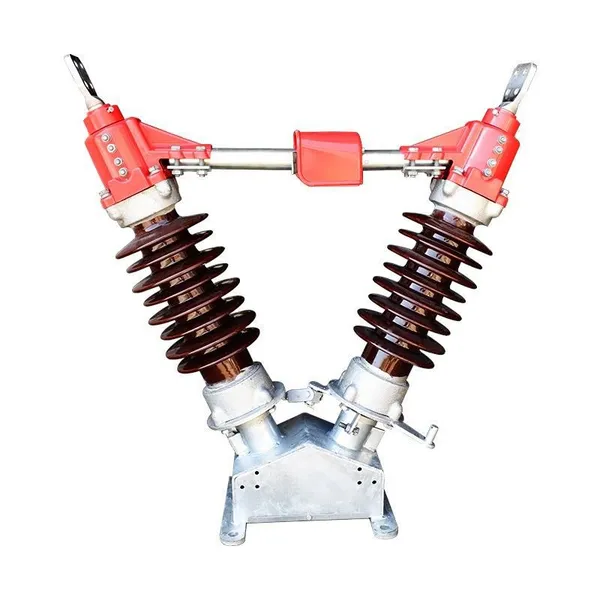
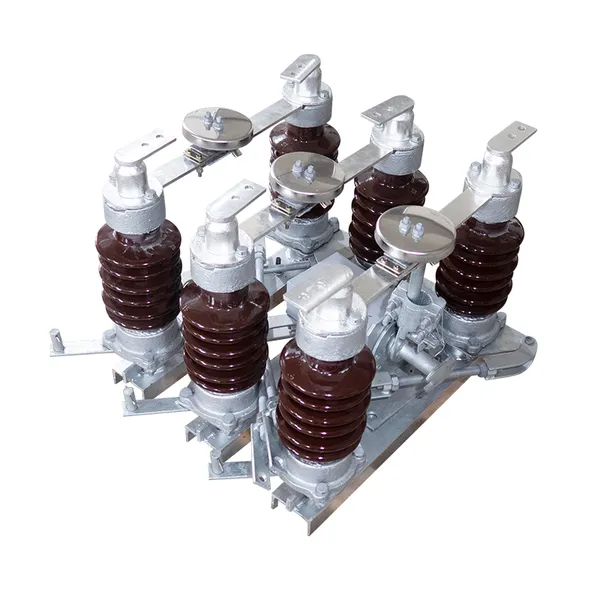
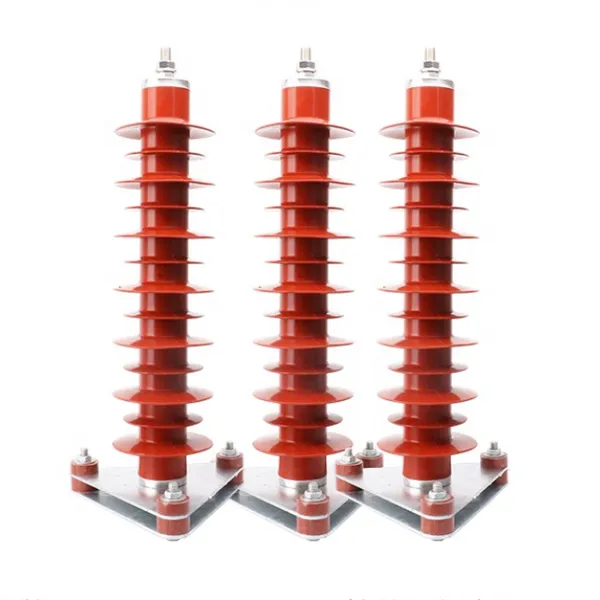
-
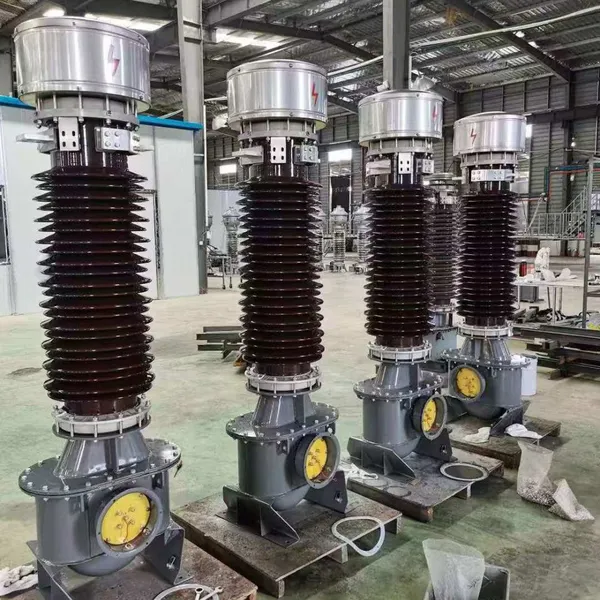
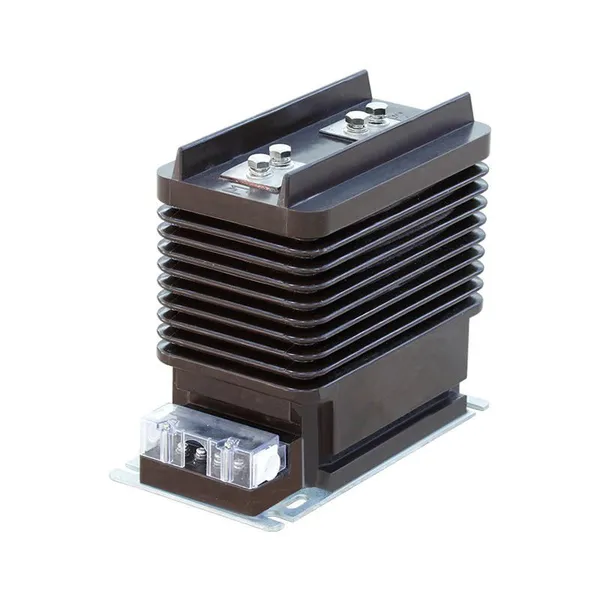
Industrial Grade 35-220KV Oil-Immersed Current Transformer for SubstationsUS$ 480 - 500MOQ: 3 Units
-
LZZBJ9-20 Indoor 24kV High Voltage Cabinet Single-Phase 5-20 for Industrial Power SystemsUS$ 250MOQ: 3 Units
-
17.5 KV Full-enclosed Outdoor Epoxy Resin Casting and Double Pole Insulated Voltage TransformerUS$ 90 - 100MOQ: 1 Piece
-
Three Phase 30kVA SVC Voltage Regulator for Textile Manufacturing, Stable OutputUS$ 159MOQ: 10 Units
-
Amorphous Core 25kVA Transformer Compliant With IEC Standards for Power DistributionUS$ 1300 - 2900MOQ: 2 Units
-
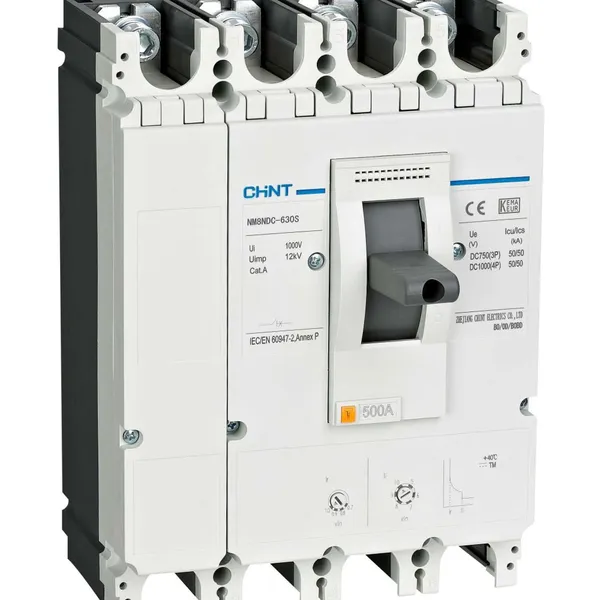
CHINT NM8NDC-630 DC 1000V/Ui High-Voltage Circuit Breaker With 630A Frame CurrentUS$ 425 - 625MOQ: 100 Units
-
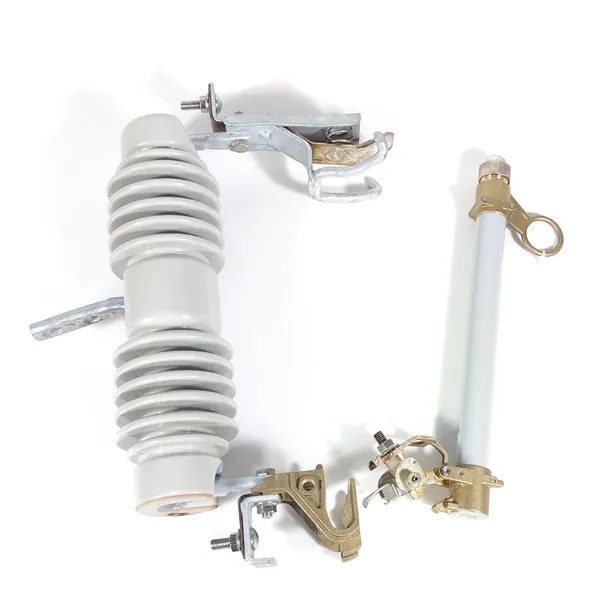
High Voltage Drop Out Fuse Cutout 33KV 27KV 24KV for Overhead LinesUS$ 35MOQ: 100 Units
-
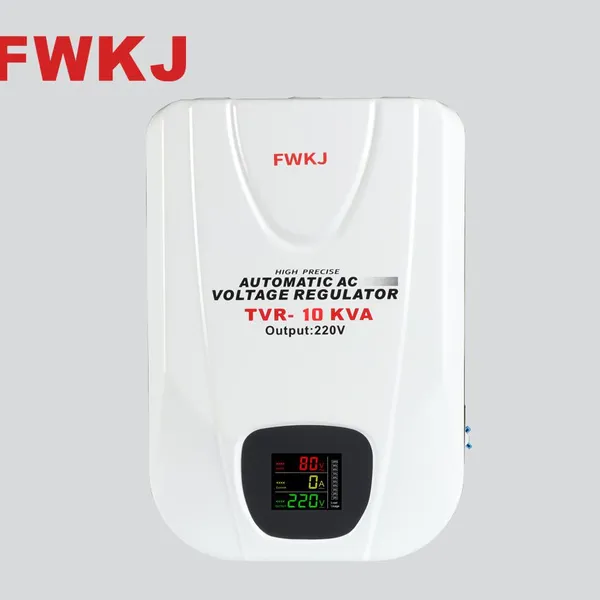
TVR-10 KVA Automatic Voltage Stabilizer 220V ±0.5% Accuracy for Laboratory InstrumentsUS$ 103 - 123MOQ: 1 Unit
-
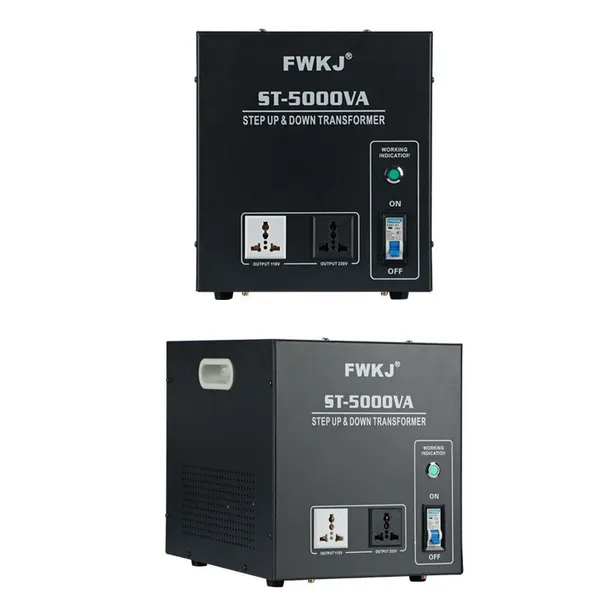
Universal 5000VA Voltage Transformer for International Appliances 110V-220VUS$ 102 - 107MOQ: 10 Units
-
500kV Three-Phase Oil-Immersed Auto Transformer 250MVA for Power GridsUS$ 800 - 9000MOQ: 1 Unit