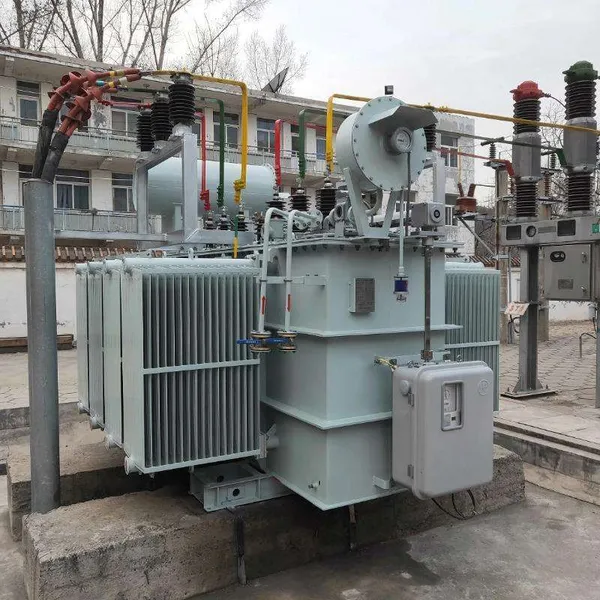

 Business License

What protections are generally configured for transformers? What are their respective functions
1、 Main protection: Instantaneous removal of core faults (first line of defense)
The main protection is the "first responder" for transformer faults. In response to serious faults inside and outside the transformer, it is required to have no delay, fast action, and instantaneous tripping to isolate the fault.
1. Differential protection
Protection scope: Covering all areas between current transformers on all sides of the transformer, including windings, bushings, and outgoing lines.
Action principle: Real time comparison of the difference between the inflow and outflow currents on each side of the transformer. When the difference exceeds the preset setting value, it is determined as an internal phase to phase short circuit or turn to turn short circuit fault, and a trip command is immediately issued.
Core features: Fast action speed and high sensitivity, making it the preferred main protection for internal electrical faults in transformers.
2. Gas protection (including light/heavy gas)
Protection scope: Focus on internal faults in the transformer oil tank.
Action principle:
Heavy gas protection: Internal faults generate arcs, causing insulation oil to decompose and produce a large amount of gas. High speed oil flow impacts the gas relay, triggering instantaneous tripping and cutting off the fault.
Light gas protection: For minor internal faults, slow oil level drops, and other working conditions, only an alarm signal is issued without direct tripping, allowing time for operation and maintenance personnel to identify hidden dangers.
Core feature: The response sensitivity to slight inter turn faults inside the oil tank is superior to differential protection, and it is an important main protection supplement for transformer internal faults.
2、 Backup protection: a backup line of defense (second line of defense) when the main protection fails
When the main protection refuses to operate, the circuit breaker fails, or an external fault is not cut off by upstream equipment, the backup protection will act with a short delay to prevent the fault from expanding and avoid the accident from escalating.
1. Composite voltage lockout overcurrent protection (phase to phase backup)
Core function: Reflecting external phase to phase short circuit faults and serving as a backup protection for internal transformer faults.
Configuration and Logic: Typically paired with composite voltage components (low voltage, negative sequence voltage) to enhance protection sensitivity under low voltage conditions; Adopting segmented time limit action logic, prioritize tripping the local circuit breaker, and if the fault is not eliminated, then interlock to trip the circuit breakers on all sides.
2. Zero sequence current protection (grounding backup)
Core function: To address single-phase grounding short circuit faults on the transformer side in neutral point directly grounded power grids.
Configuration and Logic: According to the neutral grounding method of the transformer, the grounding fault current is collected through a zero sequence current transformer, and after a short delay, the fault is tripped to isolate the grounding fault point and avoid damage to equipment insulation caused by zero sequence overvoltage.
3、 Abnormal operation protection: warning of non fault abnormal working conditions (third line of defense)
This type of working condition will not immediately damage the equipment, and tripping directly can cause unnecessary large-scale power outages. Therefore, protection is mainly based on sending alarms, and delayed tripping is only carried out when the abnormality continues to deteriorate.
1. Overload protection
Core function: Monitor the long-term overload operation status of transformers to avoid accelerated insulation aging.
Action logic: When the load current exceeds the set value and lasts for a certain period of time, an alarm signal is issued to remind the operation and maintenance personnel to reduce the load or check the cooling system in a timely manner.
2. Temperature protection (oil level/winding temperature)
Core function: Monitor the temperature of transformer insulation hotspots to prevent insulation breakdown caused by overheating.
Action logic:
When the temperature exceeds the limit, prioritize starting the auxiliary cooler;
When the temperature continues to rise to the alarm value, an alarm signal is issued;
If the temperature rises to a dangerous value, it will eventually trigger a delayed trip to protect the equipment.
4、 Supplementary special protection: redundant defense line for special working conditions (fourth line of defense)
For large and important main transformers, special protection should be added to cope with extreme working conditions, further improving operational reliability.
1. Pressure release protection
Core function: To deal with sudden and severe internal short circuits causing a sudden increase in fuel tank pressure and prevent fuel tank rupture.
Characteristics: The mechanical action speed is faster than gas protection, and it is the last line of mechanical defense for transformer explosion prevention. When the pressure exceeds the limit, it quickly releases pressure and triggers a trip.
2. Circuit breaker failure protection
Core function: When the protection device issues a trip command but the circuit breaker fails to disconnect due to some reason, all power sources on the same busbar are cut off to isolate the fault point.
Characteristic: The ultimate means of fault isolation to prevent faults from affecting the entire busbar and power grid.
3. Non full phase protection
Core function: For phase separated operation circuit breakers, it prevents inconsistent three-phase positions caused by one or two phases not being disconnected properly, and avoids negative sequence current damage to transformer windings.
Action logic: Delay tripping of the local circuit breaker to terminate the non full phase operation state.
Recently Posted
-
The relationship between busbar shape, current carrying capacity, and heat generation
September 2, 2026Principles for selecting busbar specifications for low-voltage switchgear1) Due to the low insulation voltage, the clear distance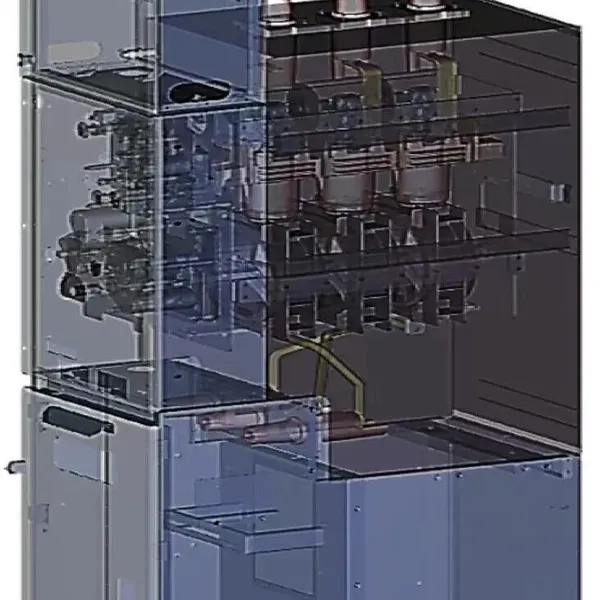 Read More
 -
Design of American standard medium voltage switchgear
September 2, 2026Product development requires a solid and serious approach. Firstly, the customer's demand is for authentic American standard a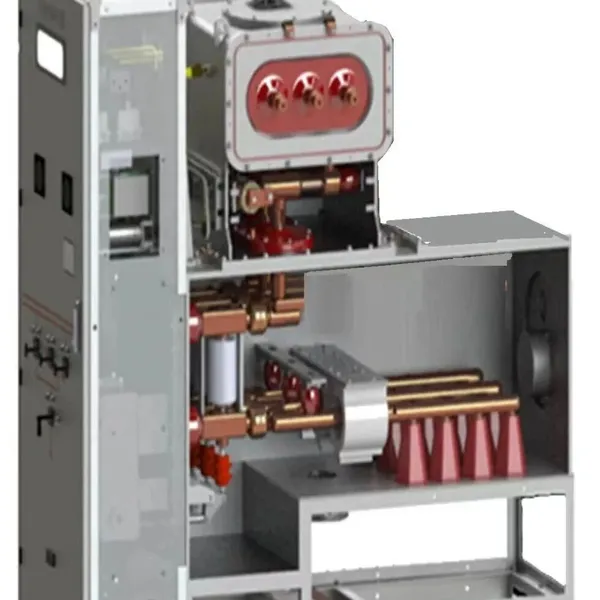 Read More
 -
Jinhua Dika Electrical Equipment: Manufacturing Transformers and Switchgear in Zhejiang, China
August 31, 2026When a buyer starts looking for a transformer or a complete switchgear set, the hardest part is often not the specification. It is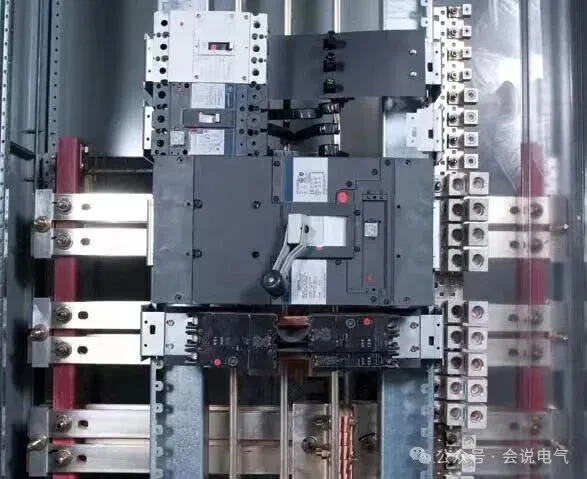 Read More
 -
Environmentally friendly gas insulated 40.5kV switchgear
August 31, 2026There are two types of 40.5kV environmentally friendly gas insulated switchgear: one is used for ring network power supply, with l
Read More

Contact Us
Recommended Products
-
 Single Phase Oil Immersed Transformer 10KVA 15KVA 25KVA 37.5KVA Standard CompliantNegotiableMOQ: 2 Units
 -
Electrical Arc Furnace Transformers up to 120MVA - Certified for Steel Industry ApplicationsUS$ 8000 - 10000MOQ: 1 Unit
-
3-Phase Oil Type Transformer 5-Year Warranty With Load Test ReportUS$ 5428 - 5628MOQ: 1 Unit
-
Three Phase Oil Filled Transformer for Mining Operations Dust-Proof DesignUS$ 5428 - 5628MOQ: 1 Unit
-
HV Three Phase Oil Filled Transformer With ONAN Cooling 500kVA-2500kVAUS$ 5428 - 5628MOQ: 1 Unit
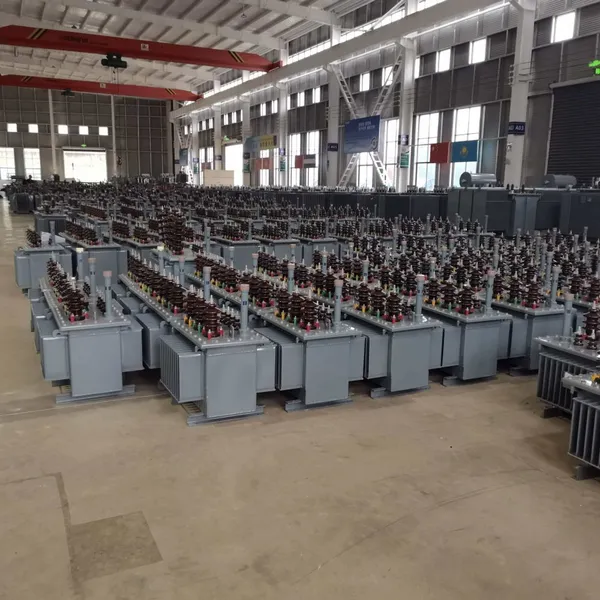
-
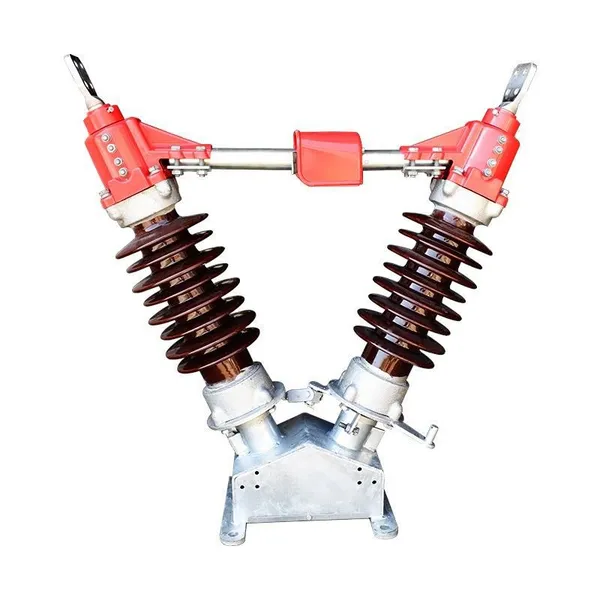
11/24/33KV High Voltage Isolation Switch With Mill Test ReportUS$ 800MOQ: 1 Unit
-
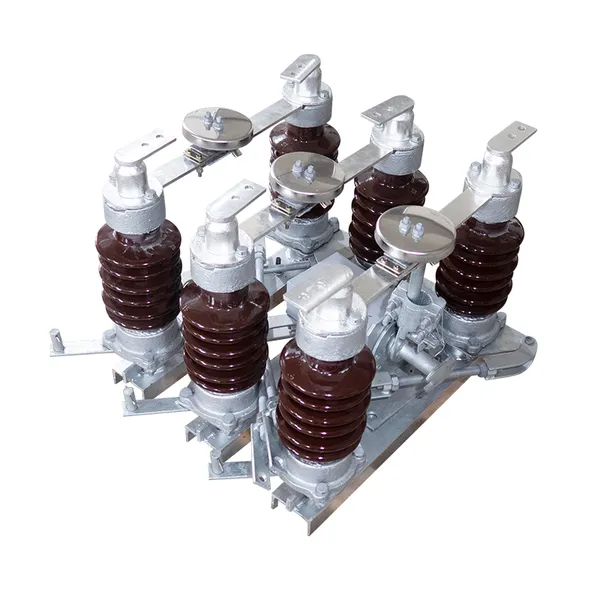
3-Pole Outdoor Isolation Switch With 5-Year Warranty and Compliance TestingUS$ 800MOQ: 1 Unit
-
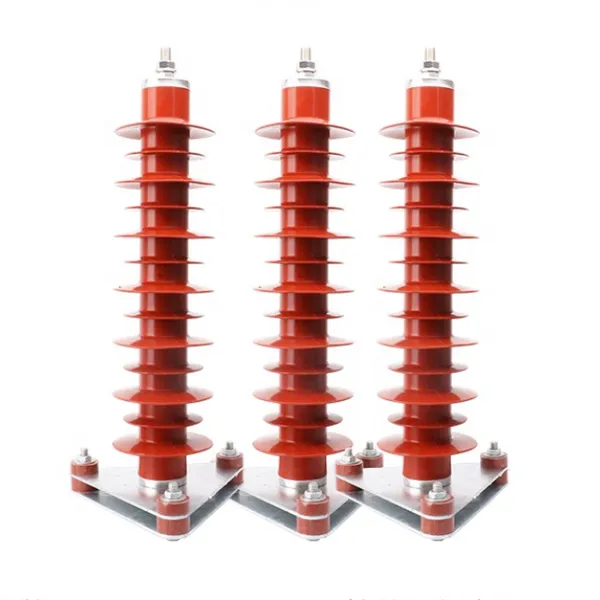
YH5WZ 3KV-110KV Zinc Oxide Arrester for Power Station Outdoor High Voltage DistributionUS$ 21MOQ: 100 Units
-
Outdoor SF6 Load Break Switch LW30-72.5/1250A 24KV 630A 16KA Three PhaseUS$ 10000MOQ: 1 Unit
-
Input Line Reactor for CNC Machine Frequency Converters, 400V 60HzUS$ 65MOQ: 5 Units
-
Industrial Grade 35-220KV Oil-Immersed Current Transformer for SubstationsUS$ 480 - 500MOQ: 3 Units
-
LZZBJ9-20 Indoor 24kV High Voltage Cabinet Single-Phase 5-20 for Industrial Power SystemsUS$ 250MOQ: 3 Units
-
17.5 KV Full-enclosed Outdoor Epoxy Resin Casting and Double Pole Insulated Voltage TransformerUS$ 90 - 100MOQ: 1 Piece
-
Three Phase 30kVA SVC Voltage Regulator for Textile Manufacturing, Stable OutputUS$ 159MOQ: 10 Units
-
Amorphous Core 25kVA Transformer Compliant With IEC Standards for Power DistributionUS$ 1300 - 2900MOQ: 2 Units
-
CHINT NM8NDC-630 DC 1000V/Ui High-Voltage Circuit Breaker With 630A Frame CurrentUS$ 425 - 625MOQ: 100 Units
-
High Voltage Drop Out Fuse Cutout 33KV 27KV 24KV for Overhead LinesUS$ 35MOQ: 100 Units
-
TVR-10 KVA Automatic Voltage Stabilizer 220V ±0.5% Accuracy for Laboratory InstrumentsUS$ 103 - 123MOQ: 1 Unit
-
Universal 5000VA Voltage Transformer for International Appliances 110V-220VUS$ 102 - 107MOQ: 10 Units
-
500kV Three-Phase Oil-Immersed Auto Transformer 250MVA for Power GridsUS$ 800 - 9000MOQ: 1 Unit