
 Business License

Differences in internal arc testing of medium voltage switchgear at home and abroad
In the GB/T3906-2020 standard, the requirement for laboratories to install simulated ceilings has been removed. This means that the current type testing in China no longer requires the installation of a simulated ceiling on the top of the cabinet for testing.
In the old versions of the standards (such as GB/T3906-2006) and IEC62271-200, it is indeed required that the laboratory should set up a simulated ceiling, with a distance of at least 600mm from the cabinet top, in order to simulate the real distribution room environment and prevent the arc flame from rebounding from the ceiling and igniting the level indicator, resulting in test failure.
Therefore, there is currently no simulated ceiling in China, mainly because the new national standard is no longer mandatory, and the test focuses more on assessing the anti explosion ability of the switchgear body under real installation conditions, rather than simulating specific building structures.
Why is there no pressure relief channel for domestic arc testing? The domestic arc test (internal arc test) does not have a "no" pressure relief channel, but there are differences between domestic test standards and test purposes and foreign ones. In addition, the domestic test conditions have strict restrictions on the pressure relief channel, resulting in the fact that no (or additional) pressure relief channel is usually set up (or allowed) in domestic tests.
The specific reasons are as follows: 1. Differences in test standards and assessment focus. Domestic standards focus on "cabinet explosion resistance and protection": Domestic standards (such as GB/T3906, DL/T404) focus on assessing the internal arc test to verify the structural strength, protection level (IP4X), and whether the door/cover plate remains closed in the event of a fault to prevent flames and debris from flying out and injuring people.
As long as the cabinet does not crack or the door is not opened during the test, it is considered to have passed, and the requirement for the pressure relief channel that directs pressure to the outside is relatively weakened. Foreign standards focus on "pressure release and regional isolation".
Foreign standards (such as IEC62271-200) have strict requirements for pressure relief channels (AR systems), emphasizing the use of pressure relief channels to direct flames and high-pressure gases to designated safe areas to protect surrounding personnel and equipment. Therefore, pressure relief channels are often required in foreign tests.
2. Strict limitations on test conditions (core reason) must maintain the "actual supply form": Domestic strict prototype certification tests (such as State Grid standardized switchgear prototype certification) clearly stipulate that the prototype must be tested according to the actual supply form, and it is not allowed to add additional facilities that do not exist in the actual supply on site (such as exhaust pipes, pressure relief channels, etc.).
Adding pressure relief channels will change the original pressure release path and structure of the cabinet, resulting in distorted test results and inability to truly reflect the actual product's blast resistance.
Experimental space and distance limitations: The arc test is conducted in a simulated room, and there are strict limitations on the distance between the test sample and the simulated wall or ceiling (such as at least 600mm from the top to the ceiling). If a pressure relief channel is added, it may change the airflow path, affect the accuracy of the test data, or cause the test to be unable to be conducted in the specified space.
3. Consideration of actual operating environment in China. Space limitations in domestic distribution rooms: The space in domestic distribution rooms is relatively compact, and the switchgear is often adjacent to other equipment or walls behind or on the side, making it difficult to provide the "safe release distance" required for pressure relief channels (safety space needs to be left at the outlet of the pressure relief channel).
Therefore, domestic switchgear designs tend to address internal arcing by strengthening the cabinet body strength (such as thickening door panels, increasing reinforcement ribs) and installing internal pressure relief cover plates, rather than relying on external pressure relief channels.
In summary, the domestic arc ignition test does not set up a pressure relief channel, mainly to strictly assess the true anti explosion performance of the switchgear body and strictly follow the standard requirements of "testing according to the actual supply form".
Recently Posted
-
Typical Primary Scheme and Layout of American Standard Low Voltage Switchgear
September 7, 2026The UL1558/IEEE C37.20.1 standard is the standard for American standard low-voltage power switchgear. As a primary distribution sw Read More
 -
The difference between Chinese made 40.5kV switchgear and North American 38kV switchgear
September 7, 2026Chinese made 40.5kV switchgear, with a power frequency withstand voltage of 95kV, lightning impulse withstand voltage of 185kV, an Read More
 -
Application of Low Voltage Switchgear Data Center Prefabricated Warehouse
September 7, 2026Prefabricated warehouses have become the preferred solution for applications such as data centers and new energy. High and low vol Read More
 -
The history of medium voltage switchgear
September 4, 2026Medium voltage circuit breakerIn 1895, GE developed the first oil circuit breaker, and in 1915, GE installed the first metal armor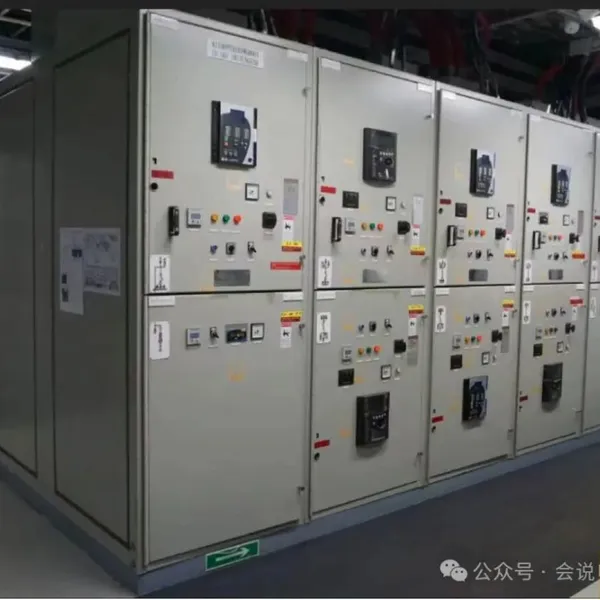 Read More

Contact Us
Recommended Products
-
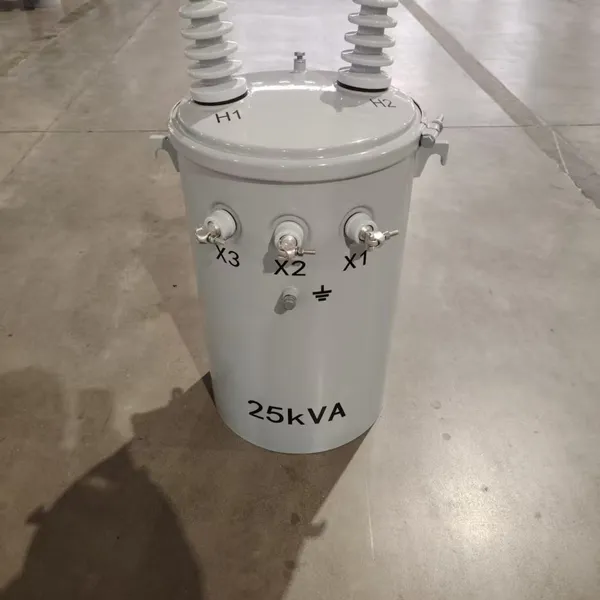
 Single Phase Oil Immersed Transformer 10KVA 15KVA 25KVA 37.5KVA Standard CompliantNegotiableMOQ: 2 Units
 -
Electrical Arc Furnace Transformers up to 120MVA - Certified for Steel Industry ApplicationsUS$ 8000 - 10000MOQ: 1 Unit
-
3-Phase Oil Type Transformer 5-Year Warranty With Load Test ReportUS$ 5428 - 5628MOQ: 1 Unit
-
Three Phase Oil Filled Transformer for Mining Operations Dust-Proof DesignUS$ 5428 - 5628MOQ: 1 Unit
-
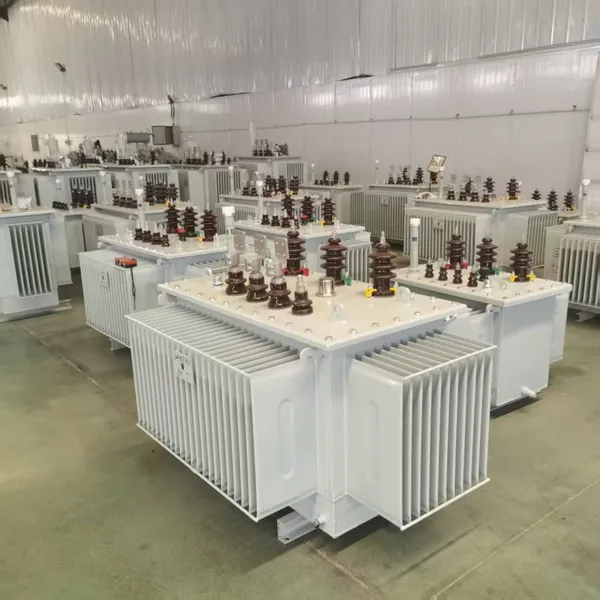
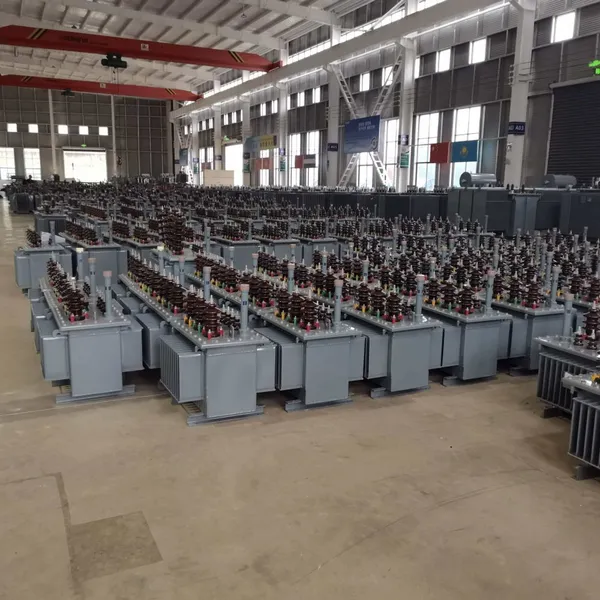
HV Three Phase Oil Filled Transformer With ONAN Cooling 500kVA-2500kVAUS$ 5428 - 5628MOQ: 1 Unit
-
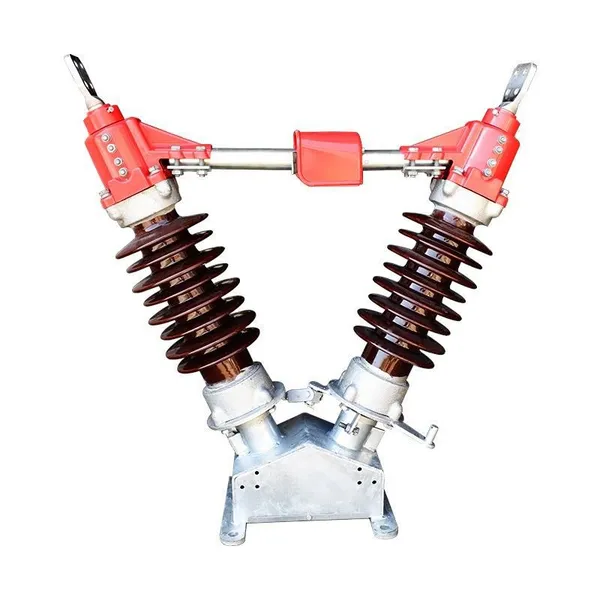
11/24/33KV High Voltage Isolation Switch With Mill Test ReportUS$ 800MOQ: 1 Unit
-
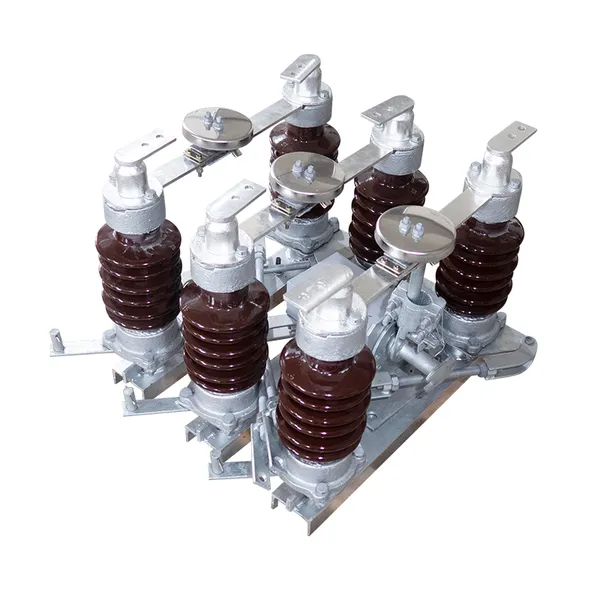
3-Pole Outdoor Isolation Switch With 5-Year Warranty and Compliance TestingUS$ 800MOQ: 1 Unit
-
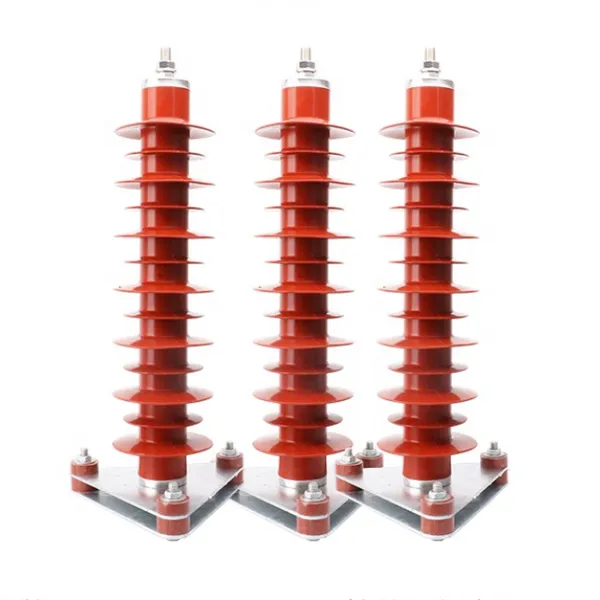
YH5WZ 3KV-110KV Zinc Oxide Arrester for Power Station Outdoor High Voltage DistributionUS$ 21MOQ: 100 Units
-
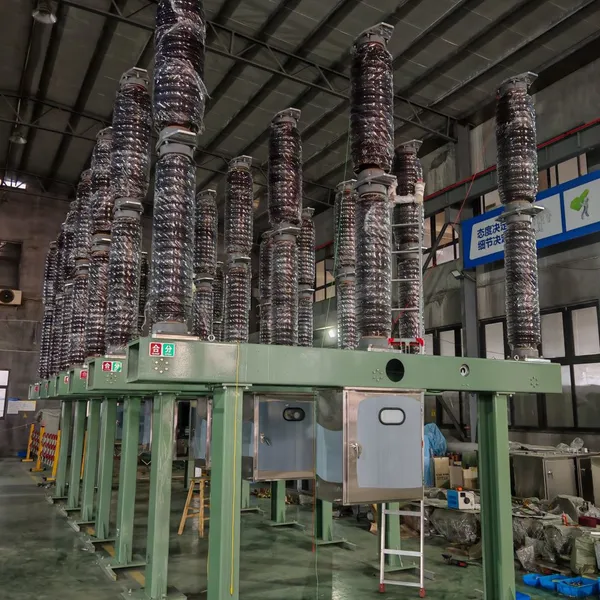
Outdoor SF6 Load Break Switch LW30-72.5/1250A 24KV 630A 16KA Three PhaseUS$ 10000MOQ: 1 Unit
-
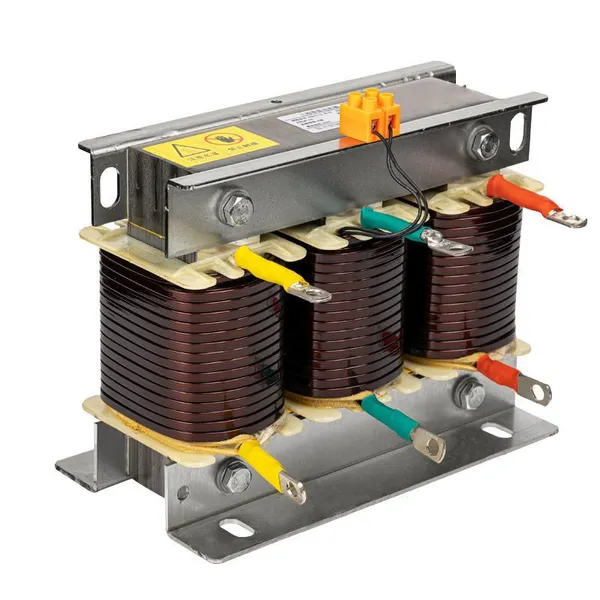
Input Line Reactor for CNC Machine Frequency Converters, 400V 60HzUS$ 65MOQ: 5 Units
-
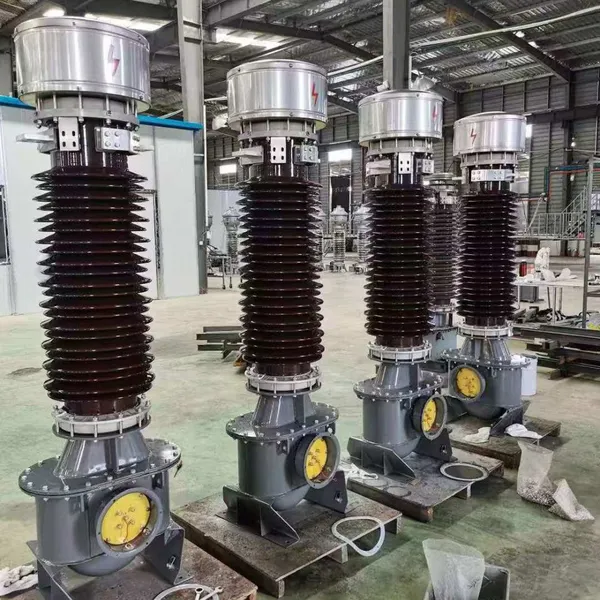
Industrial Grade 35-220KV Oil-Immersed Current Transformer for SubstationsUS$ 480 - 500MOQ: 3 Units
-
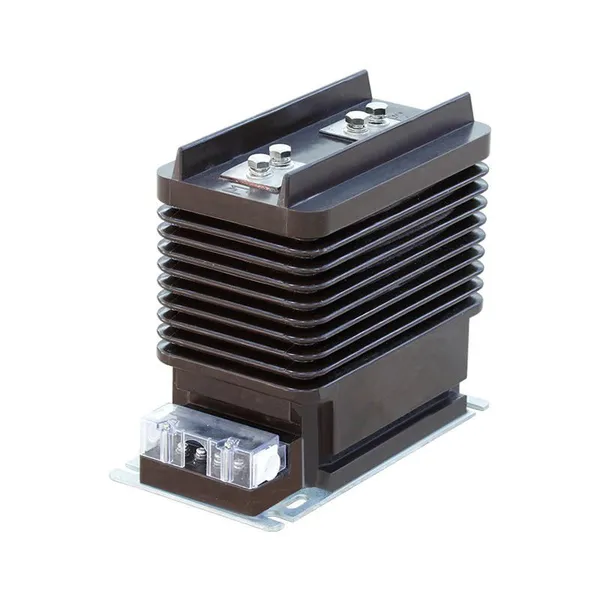
LZZBJ9-20 Indoor 24kV High Voltage Cabinet Single-Phase 5-20 for Industrial Power SystemsUS$ 250MOQ: 3 Units
-
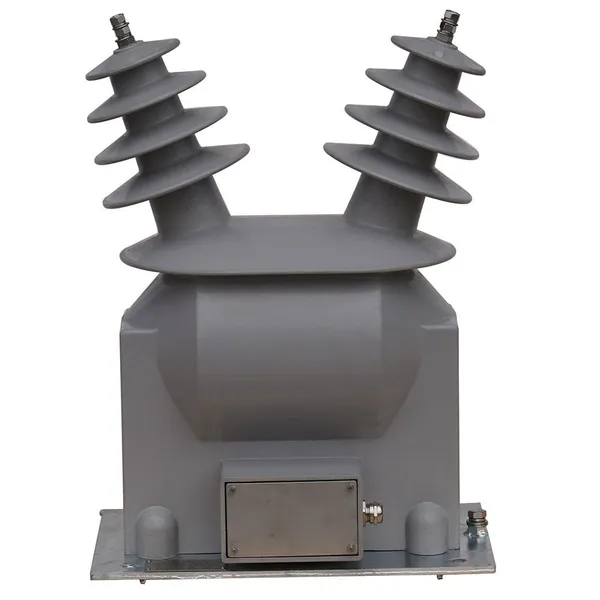
17.5 KV Full-enclosed Outdoor Epoxy Resin Casting and Double Pole Insulated Voltage TransformerUS$ 90 - 100MOQ: 1 Piece
-
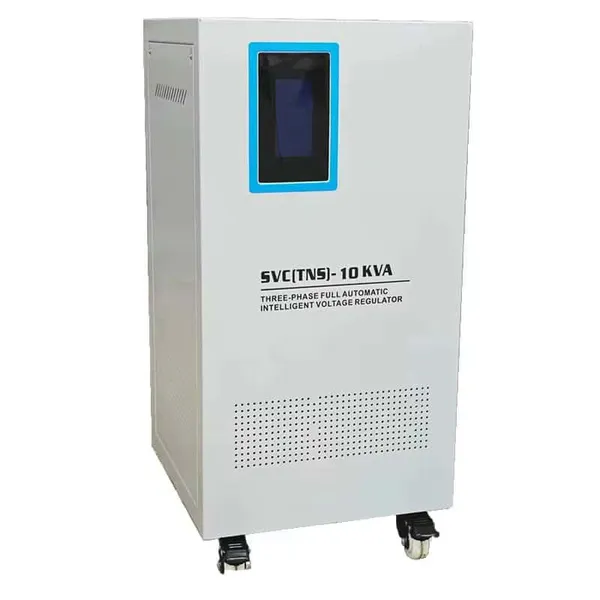
Three Phase 30kVA SVC Voltage Regulator for Textile Manufacturing, Stable OutputUS$ 159MOQ: 10 Units
-
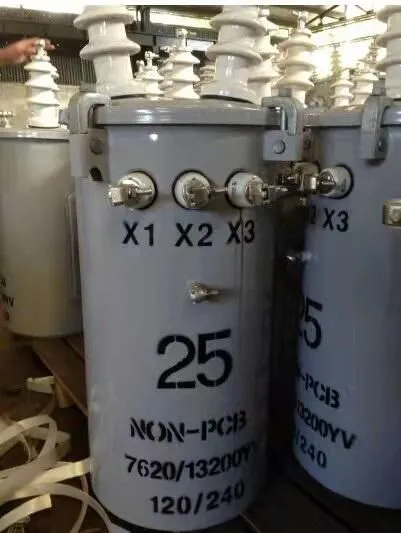
Amorphous Core 25kVA Transformer Compliant With IEC Standards for Power DistributionUS$ 1300 - 2900MOQ: 2 Units
-
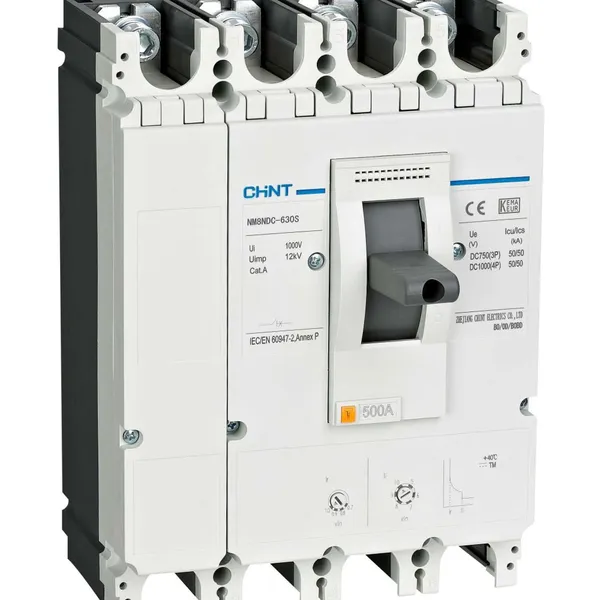
CHINT NM8NDC-630 DC 1000V/Ui High-Voltage Circuit Breaker With 630A Frame CurrentUS$ 425 - 625MOQ: 100 Units
-
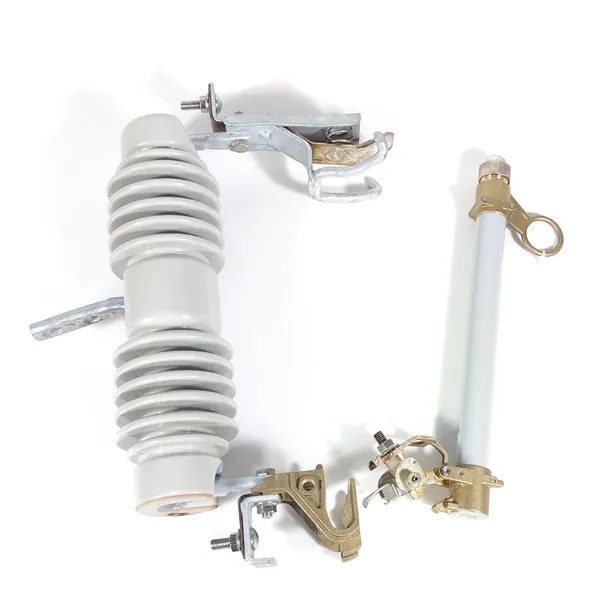
High Voltage Drop Out Fuse Cutout 33KV 27KV 24KV for Overhead LinesUS$ 35MOQ: 100 Units
-
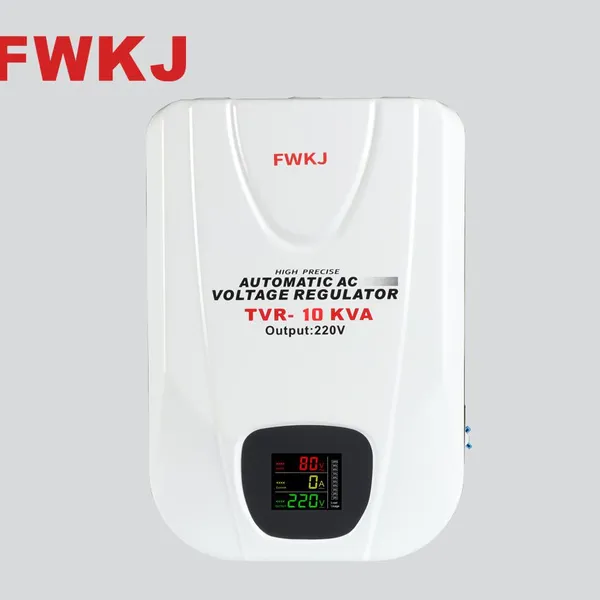
TVR-10 KVA Automatic Voltage Stabilizer 220V ±0.5% Accuracy for Laboratory InstrumentsUS$ 103 - 123MOQ: 1 Unit
-
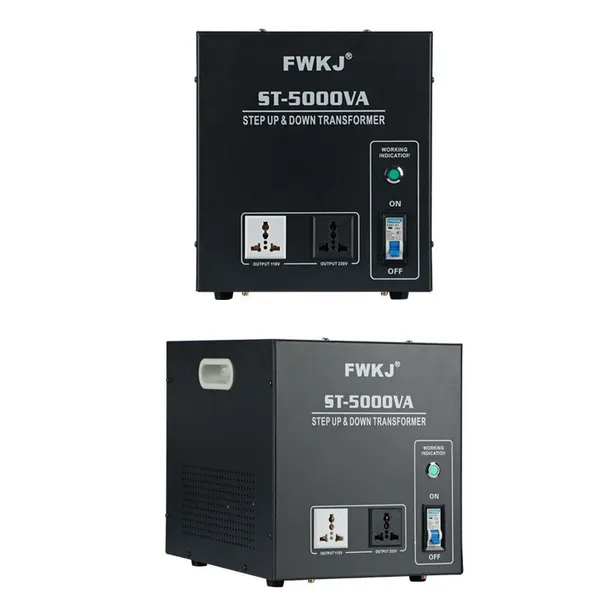
Universal 5000VA Voltage Transformer for International Appliances 110V-220VUS$ 102 - 107MOQ: 10 Units
-
500kV Three-Phase Oil-Immersed Auto Transformer 250MVA for Power GridsUS$ 800 - 9000MOQ: 1 Unit